Concern about the future of estuaries is further amplified because so many natural deltas in the Sound have been lost due to building dams, which alter river flow and compound sediment; farm and industrial development; and shoreline armoring. A 2011 report found that more than 232 square kilometers, or almost 56 percent of the historic acreage had vanished. The same report documented a decline in tidal wetlands of 301 square kilometers, an area equivalent to 56,603 football fields.
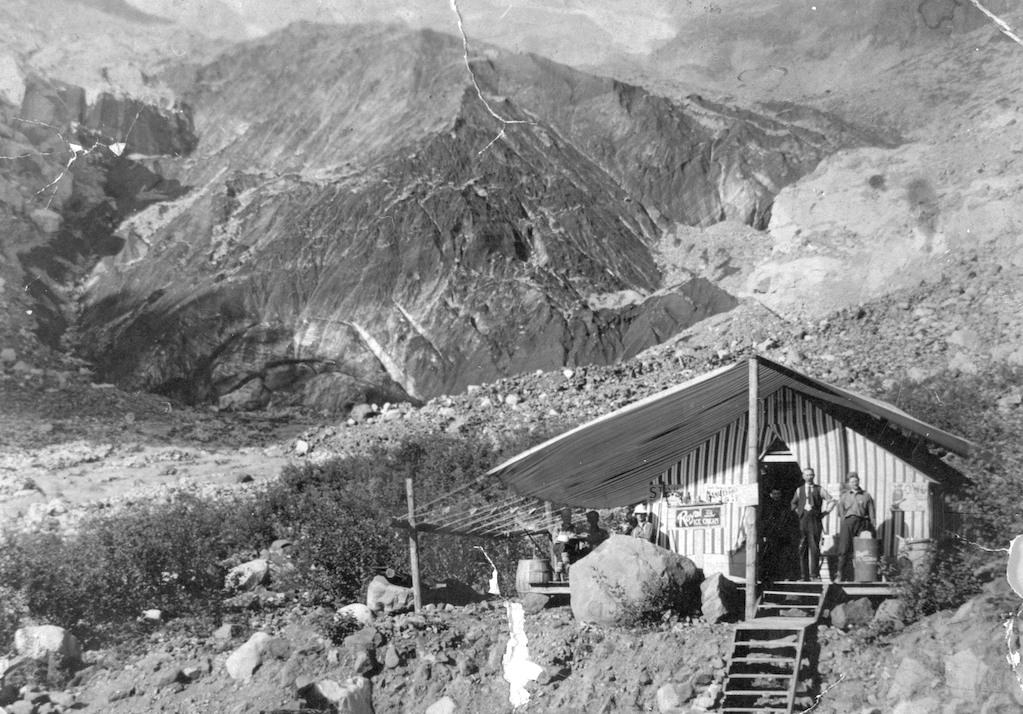
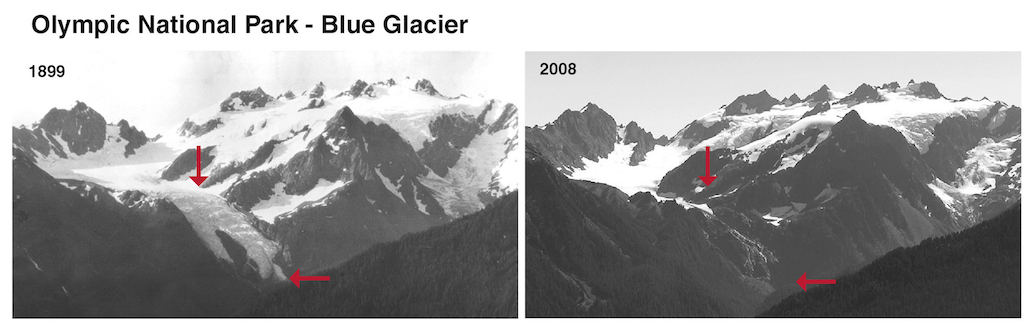
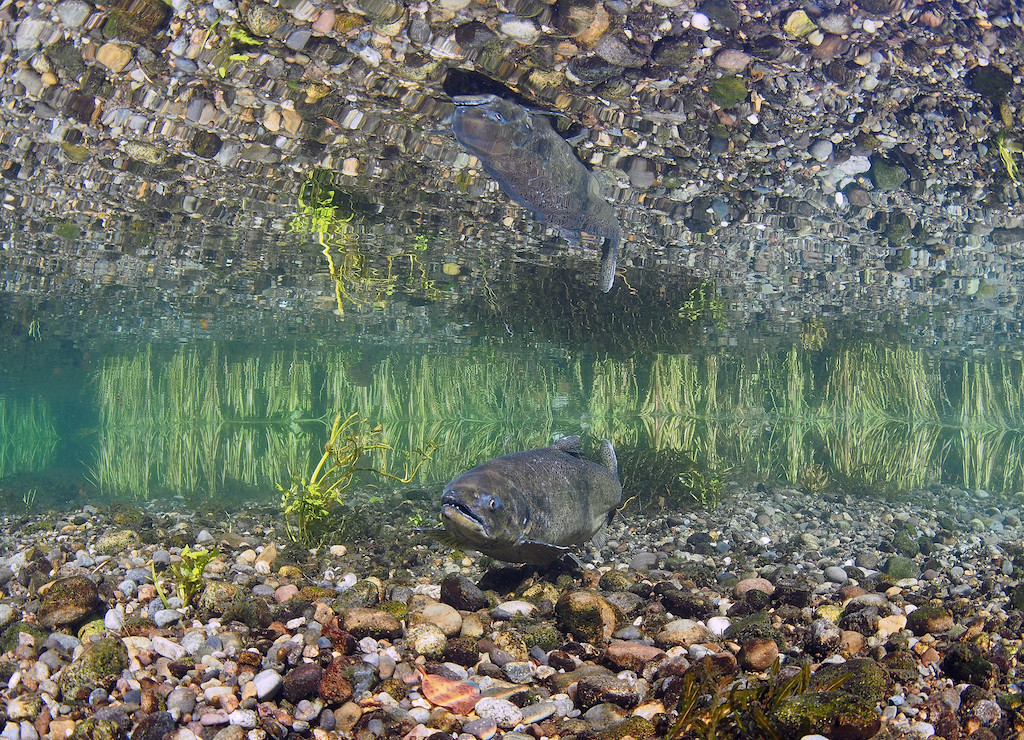
Glacial retreat and their predicted complete disappearance worries Morris for another reason. “Glaciers provide a slow drip of cold water that is essential for salmon.” The ice is a giant storage tank, which year round, and particularly in the summer, melts and feeds rivers with water that is far below ambient temperatures. As Christopher Dunagan has written for this magazine: “Many scientists argue that nothing is more important to a salmon than the temperature of the water. Temperature drives their rate of metabolism and determines how well they utilize food and oxygen, how fast they grow, and whether they have the energy to catch their next meal and avoid predators.”
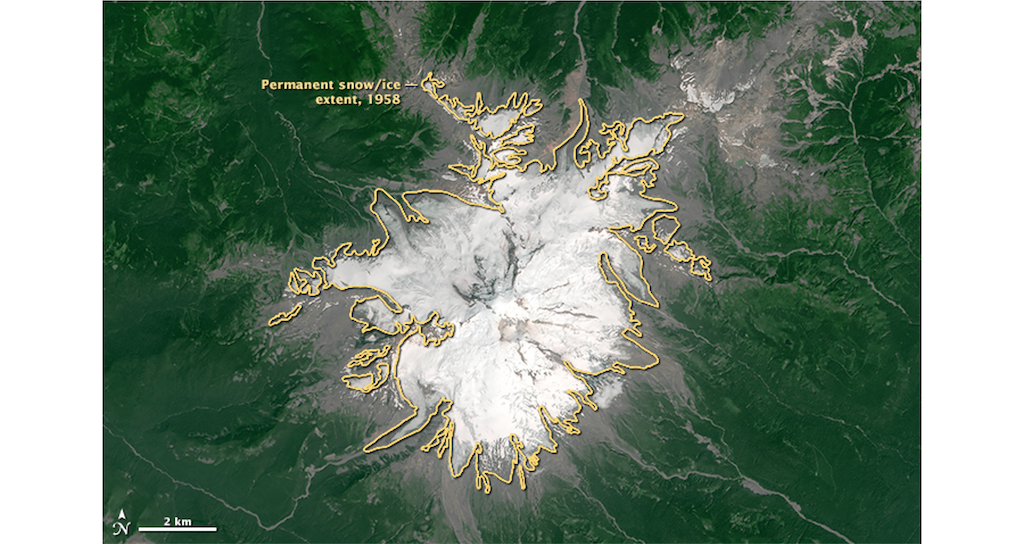
At present, the region’s glaciers are still able to provide a good quantity of cold water, but that spigot could be misleading or giving a misplaced sense of security because the tap could eventually lose its supply. Researchers predict that by the 2040s to 2050s, many of the region’s glaciers will be too small to contribute the needed water. Coincidentally, rising temperatures will lead to a higher snowline, and hence a smaller snowpack, and less cold, snowmelt water in the rivers.
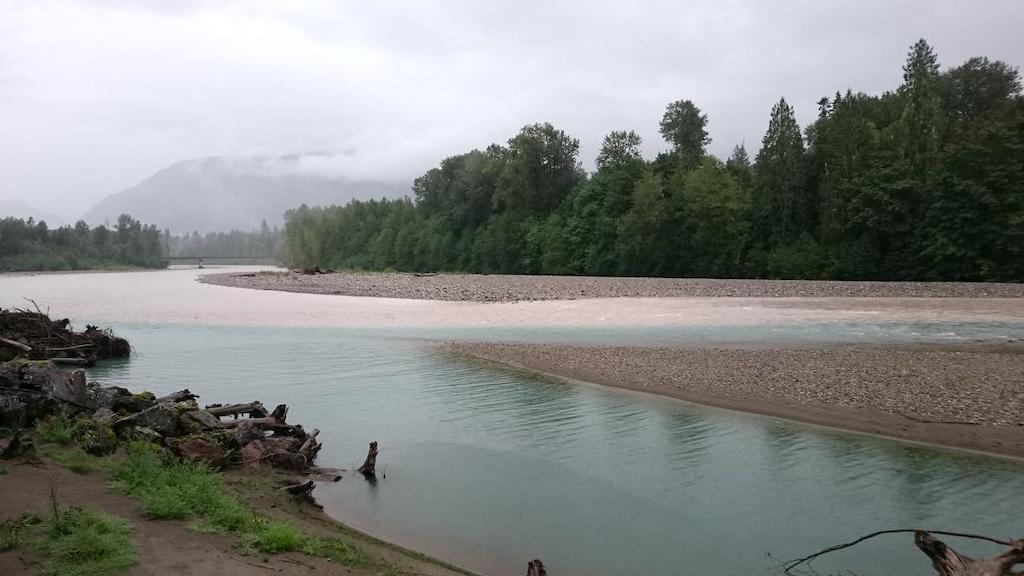
“The hope among fisheries biologists is cold water refuges,” says Morris. These are areas where ground water, tributaries, and environmental conditions, such as shade and river orientation, lead to more inviting habitat where fish can retreat and find a safe harbor. Morris and others have begun to work not only to better understand how fish take advantage of these refuges but also to identify and preserve their locations. Because salmon restoration cannot be done in a vacuum, he is collaborating on research and field projects with scientists and restoration staff with the Skagit River System Cooperative, which is a natural resource extension of the Sauk-Suiattle Indian Tribe and the Swinomish Indian Tribal Community. A recent area of focus is tree planting along the Skagit River, the most glaciated watershed in the lower 48 states.
Further north, Oliver Grah, water resources program manager for the Nooksack Indian Tribe faces a similar situation. At least 16 named glaciers on Mt. Baker supply the three forks—South, Middle, and North Nooksack rivers. In 2013, Grah and his colleague Jezra Beaulieu published a paper showing that glacial retreat, timing of precipitation, and declining snowpack will adversely affect fish habitat from the mountains to Puget Sound. As the authors have written “the extinction of salmonids from the Nooksack River due to human-caused climate change is unacceptable to the Tribe.”