Scientists are reporting a decline in oxygen-rich waters throughout the world. Causes for the decline vary from place to place but may involve climate change and increasing discharges of tainted water. In Puget Sound, low oxygen levels can occur naturally or due to eutrophication from human-caused pollution. In this five-part series, we describe the critical nature of oxygen to Puget Sound sea life. Scientists are finding that changes in oxygen levels can lead to physiological adjustments, shifts in predator-prey relationships and other repercussions throughout the food web.
A 2015 paper in the journal Ecological Economics evaluated “personal use” and subsistence use of seafood among commercial operators in Washington and California, as well as the extent, range, and species diversity of noncommercial wild ocean seafood subsistence harvests.
By Melissa R. Poe, Phillip S. Levin, Nick Tolimieri, Karma Norman
Scientists at the Washington Department of Ecology along with many other researchers have spent years studying and debating the problem of low oxygen in Puget Sound. Now, many new developments — technical, scientific and legal — are reaching a critical stage and setting up a framework to make some major decisions. This is part two of a four-part series originally published in the Puget Sound Institute blog.
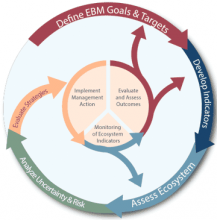
Ecological assessments (sometimes referred to as "conservation assessments") typically identify and evaluate the ecological attributes of an ecosystem. There is no single type of ecological assessment, but the following list includes an informal inventory of related efforts in the Salish Sea. This list does not include Ecological or Environmental Impact Assessments, which are targeted to specific land uses. This is a living document and will be updated as more information becomes available and as needs arise.
By Amelia Apfel for the Encyclopedia of Puget Sound; with assistance from the Washington Department of Fish and Wildlife
BackgroundFish in the family Salmonidae (salmon, trout, and charr) are unique in their cultural, economic and ecological role in Puget Sound. Because they utilize a very wide range of aquatic habitat types throughout their life history, they play potentially integral roles in the upland freshwater, nearshore and pelagic marine ecosystems and food webs of Puget Sound. They also provide...
New technology is helping to remove deadly “ghost nets” that have been lost in the depths of Puget Sound. It is part of an effort that saves millions of animals every year, but managers say better reporting of these lost nets by fishermen is still needed.
Scientists at the Washington Department of Ecology along with many other researchers have spent years studying and debating the problem of low oxygen in Puget Sound. Now, many new developments — technical, scientific and legal — are reaching a critical stage and setting up a framework to make some major decisions. This is part three of a four-part series originally published in the Puget Sound Institute blog.
OverviewGray whales are among the more commonly sighted large whale species in the Salish Sea and along the coast of the Pacific Northwest, but a clearer understanding of the multiple ways they use our waters has only come into focus in recent years. Gray whales were historically mostly known for their annual migrations past the Washington Coast including the entrance to the Salish Se...
This version of the Puget Sound Science Update provides an initial evaluation of food web indicators, but is not intended to be comprehensive. Highlights include the evaluation of individual species or species complexes as food web indicators due to their key functional roles (e.g., forage fish, jellyfish), and the identification of existing data sources for assessing food web struc...