Water quality

Puget Sound is unique in the lower 48 Unites States because of its fjord-like physiography, inland extent, wide range of depths, and urbanized watersheds and shorelines. Limited exchange of seawater between sub-basins within Puget Sound can result in long residence times, potentially increasing the susceptibility of biota to contamination introduced through human activities. The varied habitats within Puget Sound support multiple life history stages of many species, potentially exposing sensitive life stages to contamination. There are multiple water quality concerns in Puget Sound:

  • Levels of toxic contaminants in biota that live or feed in Puget Sound.
  • The eutrophication of marine waters, producing hypoxic and anoxic regions.
  • Wastewater contamination, principally from combined sewer overflows or septic systems
  • Harmful algal blooms, which introduce toxins that enter the food web
  • Acidification of marine waters, and the adverse ecological effects that result.

Degradation of water quality in Puget Sound occurs through three primary mechanisms. The first is through the introduction of toxic contaminants, primarily comprising manufactured synthetic chemicals, but also including compounds that occur naturally that are concentrated in the local environment to toxic levels via human activities. The second is through human-caused changes in naturally occurring chemicals, compounds, or physical parameters (e.g., temperature, turbidity, nutrients, pH). The third is through introduction of new diseases or pathogens, or through other activities that cause an unnatural increase in disease organisms.

Sources:

Puget Sound Science Review


Overview

A 2023 report from the Puget Sound Ecosystem Monitoring Program presents an overview of selected recent monitoring and research activities focused on toxic contaminants in the Salish Sea. 

Cover of 2022 Salish Sea toxics monitoring synthesis: A selection of research

Related Articles

Throughout the Puget Sound region, impacted and poorly managed agriculture has been repeatedly advanced as a leading contributor to surface and ground water pollution, particularly during the winter months. A study conducted from 2010 - 2015 aimed to develop an Application Risk Management (ARM) System to minimize pollution from manure in Whatcom County. 

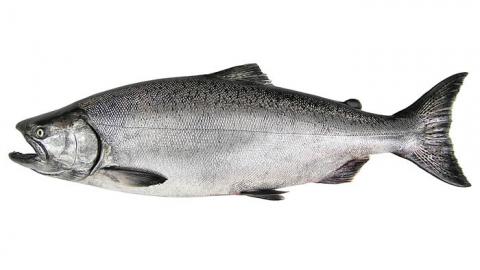
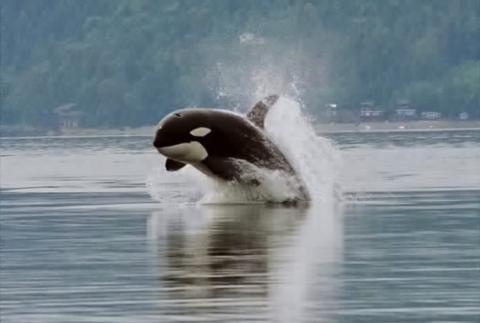
Researchers are proposing a shift in thinking about how some of the region’s most damaging pollutants enter Puget Sound species like herring, salmon and orcas.

Researchers are studying how persistent pollutants such as PCBs avoid settling to the bottom of Puget Sound. This article continues our coverage of new theories on the spread of toxic chemicals in the food web. 

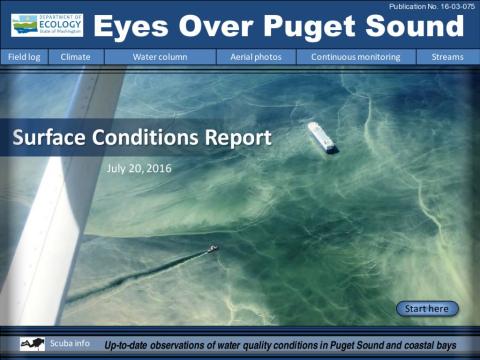
Spring air temperatures are higher - it has been sunny and dry. The snowpack is quickly disappearing as temperatures are up to 7 °F warmer at higher elevations. Snowmelt-fed rivers are running very high. How does this affect water quality in Puget Sound? A strong spring phytoplankton bloom extends across Puget Sound and the Strait of Juan de Fuca. Water temperatures are still higher than normal and jellyfish are already numerous in southern inlets. The high biological activity is causing organic material to drift at the surface and wash onto beaches. Do you know how fast a Sand Star can move?

This report summarizes activities and accomplishments completed under the grant PO-00J100-01 from September 13, 2010 to December 31, 2015. 

Despite warmer air temperatures, normal snowpack in the mountains suggest that summer freshwater flows into Puget Sound might be higher than last year. As of April, the spring plankton bloom has extended across Central and South Puget Sound. Ferry data shows chlorophyll increasing after March 25 and expanding across the area. With water temperatures above normal as a carry-over from 2015, jellyfish patches are numerous in inlets of South Sound and in Sinclair Inlet, unusual for this time of year. Check out the tiny burrowing ostracods as well as our Washington Conservation Corps Intern analyzing seawater oxygen.