

All Articles
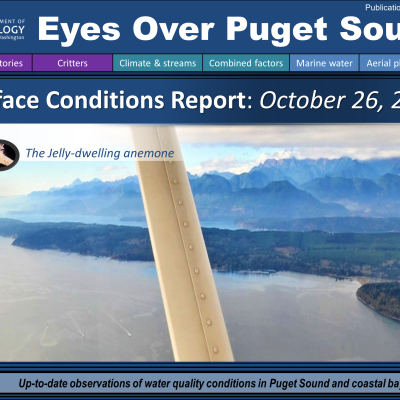
Eyes Over Puget Sound: Surface Conditions Report - October 26, 2020
After a relatively warm summer and fall, and La Niña forming in the tropics, stream flows in the Puget Sound region are now relatively normal. Summer in Puget Sound produced lots of algal and organic material in the water and on beaches, which by October have disappeared. Kelp beds look strong in northern Puget Sound and the Straits; and the harvest of the annual chum salmon run is in full swing
Puget Sound National Estuary Program land development and cover base program analysis
A 2020 Base Program Analysis from the University of Washington Puget Sound Institute presents an overview of the programs, policies and initiatives that support the Puget Sound Partnership’s Land Development and Cover Implementation Strategy.
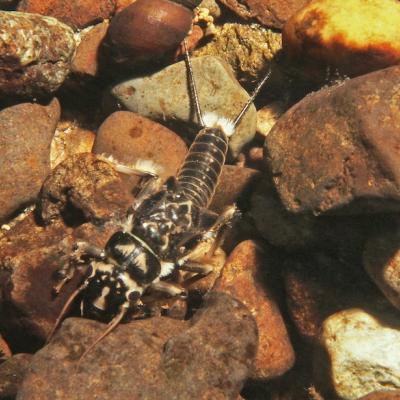
Combining bugs and chemistry in Soos Creek stormwater study
Many creeks and waterbodies in Puget Sound may look pristine, but most face serious threats from stormwater pollution. A new study at Soos Creek shows how mud-dwelling bugs, traditional chemistry and digital "heatmaps" can be used to track stormwater impacts and identify the most polluted areas. Scientists and planners hope that this may one day lower the price tag on costly stormwater fixes.
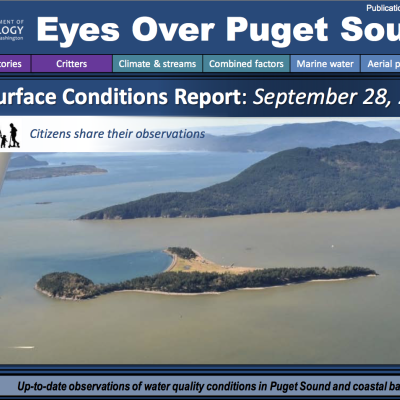
Eyes Over Puget Sound: Surface Conditions Report - September 28, 2020
A warm and dry summer ended with a smoky September due to massive wildfires that were followed by strong rain. As a consequence, muddy river plumes in Puget Sound are very visible, especially near the Nooksack River. During summer, many wonderful citizen contributions documented the large formation of organic material in Central Sound and helped us cover the gap in EOPS flight from April-September
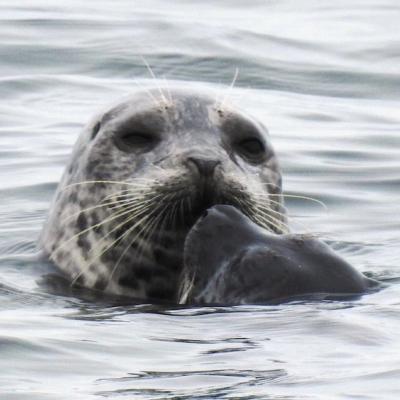
Interannual differences in postrelease movements of rehabilitated harbor seal pups (Phoca vitulina richardii) in the Salish Sea
A study published in Marine Mammal Science in June 2020 followed the movements and behavior of rehabilitated harbor seal pups after being released into the Salish Sea. The results suggest that although their movements differ from wild pups that have been weaned, the rehabilitated pups do successfully make the transition.
2020 Salish Sea Ecosystem Conference
The 2020 Salish Sea Ecosystem Conference took place April 21st and 22nd in an online format due to COVID-19 restrictions.
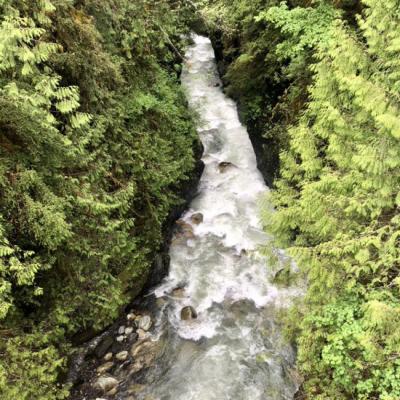
Nooksack River Transboundary Technical Collaboration Group 2019-2020 annual report
The Nooksack River watershed spans part of the border between British Columbia and the State of Washington. In August 2018, the international, multi-agency Nooksack River Transboundary Technical Collaboration Group (TCG) was established to implement a three-year work plan to reduce fecal bacteria concentrations in the Nooksack River watershed. This 2019-2020 TCG annual report summarizes second
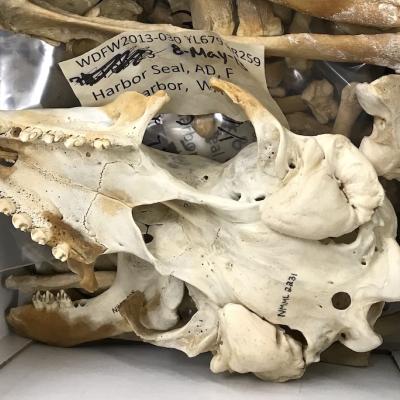
History of food web found in harbor seal skulls
Tiny bone samples show that seals alter their diets as conditions change. The findings could help scientists understand whether seals are contributing to local salmon declines.
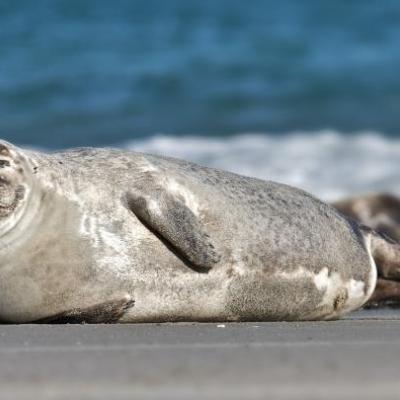
Probing for answers to control seal populations
Last month's federal authorization to kill more than 700 sea lions to protect salmon runs along the Columbia River is prompting discussions of similar actions for harbor seals in Puget Sound. But experts say the situations are very different with many unanswered questions.
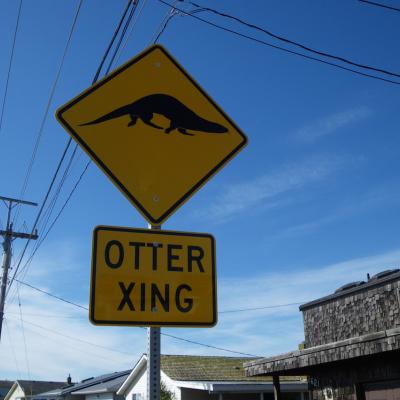
Causes of mortality in marine-foraging river otters
North American river otters (Lontra canadensis) inhabit inland freshwater environments; however, from Alaska to California they also occur in coastal marine waters where they forage on a variety of marine fish and invertebrates. Little is known about mortality factors in marine-foraging river otters. Among 30 otter carcasses collected in San Juan County, Washington, analysis indicates that car