All Articles
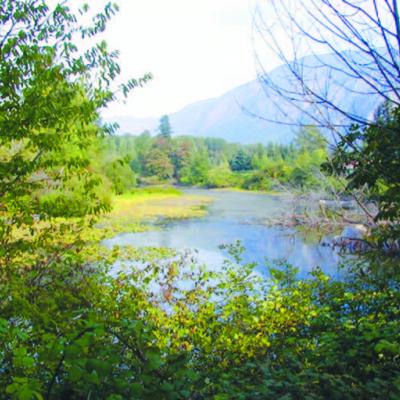
King County rivers and streams
The diversity of streams in the county is a reflection of the diversity of its geography. From the small rivulets that begin high in the Cascade Mountains, to the brooks that flow gently across the lowlands, to the five major rivers of the county, there are over 4,800 kilometers (3,000 miles) of perennial streamcourses in King County.
Despite the impressive total length, King County has no rivers
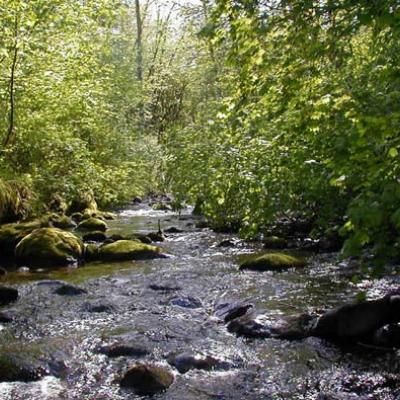
King County riparian habitat
Riparian habitats are often characterized by particular trees and shrub species that line the banks of most rivers and streams in the lowlands and foothills of King County.
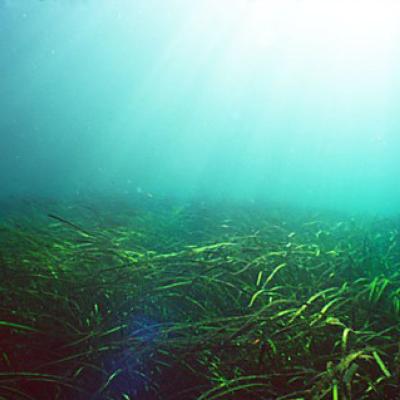
King County marine habitat
King County contains four major marine habitats: backshore, intertidal and shallow subtidal, deep subtidal, and riverine/sub-estuarine. Descriptions of each of these habitats and the types of flora and fauna associated with them are provided below.

King County lowland habitat
The history of land use in King County has produced a lowland and foothill landscape of bewildering variety. The once continuous forest of western hemlock, Douglas-fir, and redcedar has given way to a patchwork of lawns, parks, playgrounds, woodlots, greenbelts, old fields, croplands, tree farms, and remnant forests set amid a landscape of urban, suburban, rural, and commercial uses, all joined
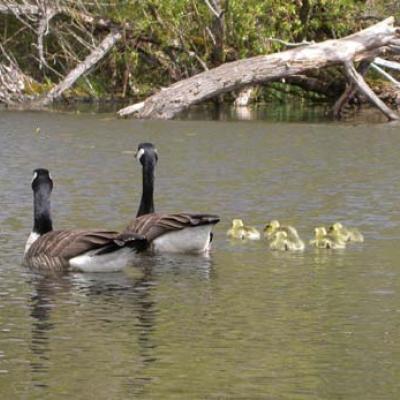
King County lake habitat
The natural biodiversity of the lakes of King County is strongly influenced by geography. The county runs from the Cascade mountain crest to the shores of Puget Sound, covering all three different Level III ecoregions (Puget Lowland, North Cascade, and Cascade). The geology, elevation, climate, and ecology in these three ecoregions are all different, and these differences in environmental factors
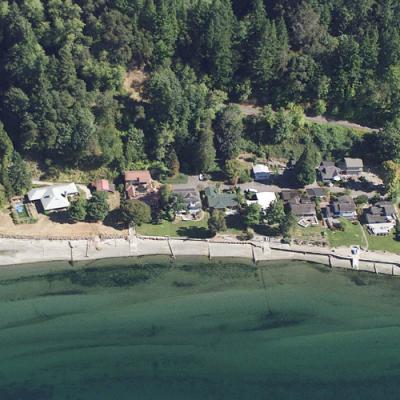
The Puget Lowland ecoregion
Ecoregions provide a useful framework and background for the discussion of marine, freshwater, and terrestrial environs of the county. The discussion of ecoregions is based on U.S. Environmental Protection Agency (EPA) ecoregion conventions, which result in units similar to European biogeographical regions because they denote areas of general similarity in ecosystems.
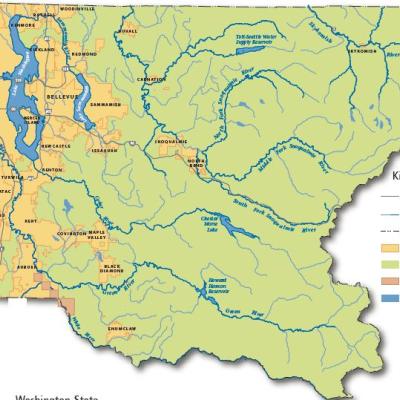
The North Cascades ecoregion
Ecoregions provide a useful framework and background for the discussion of marine, freshwater, and terrestrial environs of the county. The discussion of ecoregions is based on U.S. Environmental Protection Agency (EPA) ecoregion conventions, which result in units similar to European biogeographical regions because they denote areas of general similarity in ecosystems.
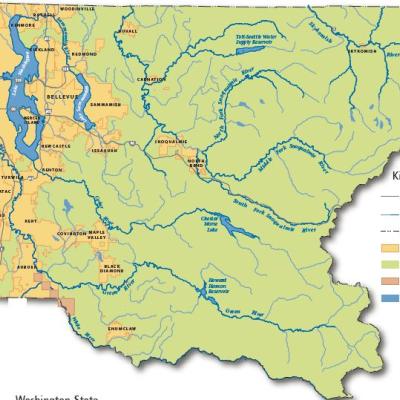
The Cascades ecoregion
Ecoregions provide a useful framework and background for the discussion of marine, freshwater, and terrestrial environs of the county. The discussion of ecoregions is based on U.S. Environmental Protection Agency (EPA) ecoregion conventions, which result in units similar to European biogeographical regions because they denote areas of general similarity in ecosystems.
Download EoPS ringtones
Puget Sound is calling: EoPS now has custom ringtones. Add the sounds of Puget Sound-area species like the Rhinoceros Auklet or Pacific Chorus Frog to your phone today.