Harbor porpoise

Harbor porpoise (Phocoena phocoena) are the smallest of 22 cetaceans recorded in the Salish Sea and are probably one of the few that are resident year-­‐round. Excluding the Arctic, their distribution extends throughout the Northern Hemisphere. Their numbers in the waters of Puget Sound declined steeply in the 1970s, but their population has increased in recent years. 

Source: Zier, J.C. and Gaydos, J.K. (2015). Harbor Porpoise in the Salish Sea A Species Profile for the Encyclopedia of Puget Sound. Encyclopedia of Puget Sound. 32 pgs.

Overview

In the 1940s, harbor porpoise were among the most frequently sighted cetaceans in Puget Sound, but by the early 1970s they had all but disappeared from local waters. Their numbers have since increased, but they remain a Species of Concern in the state of Washington. This in-depth profile looks at harbor porpoise in the Salish Sea, and was prepared by the SeaDoc Society for inclusion in the Encyclopedia of Puget Sound. 
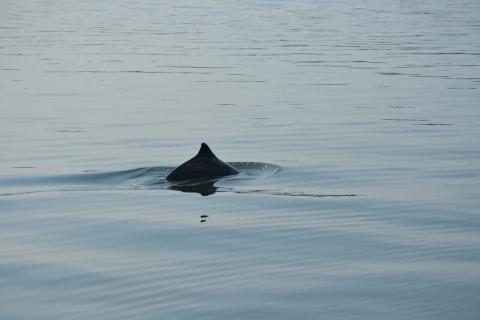
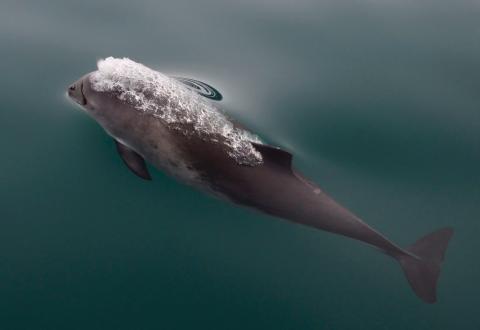
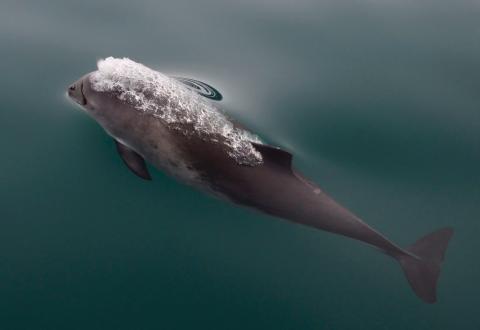
Harbor porpoise surfacing. Photo: Erin D'Agnese, WDFW

Related Articles

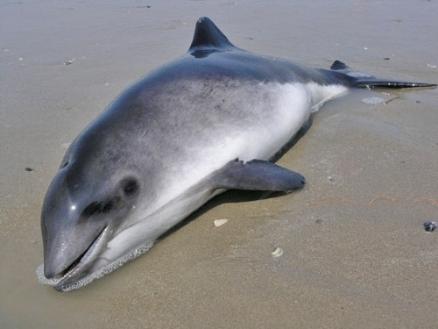
A 2015 paper in the journal Diseases of Aquatic Organisms examines potential causes of increased harbor porpoise strandings in Washington and Oregon.  

A study in the Journal of Comparative Physiology shows that muscle development necessary for diving can take several years to mature in harbor porpoises. Scientists argue that this may make immature harbor porpoises more vulnerable than adults to impacts from boat traffic or other disturbances. 

A 2014 paper in Endangered Species Research suggests that harbour porpoises inhabiting coastal waters of southern British Columbia constitute a single genetic population, which should be reflected in management decisions.

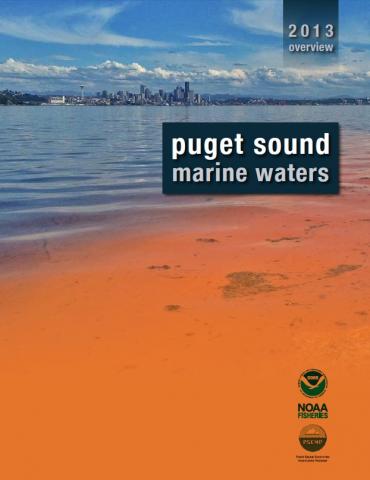
A report from the Puget Sound Ecosystem Monitoring Program provides an overview of 2013 marine water quality and conditions in Puget Sound from comprehensive monitoring and observing programs.

Harbor porpoise (Phocoena phocoena) are one of the most frequently sighted cetaceans in the Salish Sea. Anecdotal information, possibly supported with stranding encounter rate data, suggests that harbor porpoise may have increased in Puget Sound, or have shifted their distribution back to Puget Sound relative to earlier decades.

Harbor porpoises were once common in Puget Sound, but had all but disappeared from local waters by the 1970s. Regular and numerous anecdotal sightings in recent years show that populations of these cetaceans are now increasing and may be approaching their former status. The attached document from NOAA Fisheries describes harbor porpoise numbers and their geographic range in Puget Sound as of 2011. 

HARBOR PORPOISE (Phocoena phocoena vomerina): Washington Inland Waters Stock (NOAA Fisheries 2011)