Marine debris

Marine debris injures and kills marine life, interferes with navigation safety, and poses a threat to human health. Our oceans and waterways are polluted with a wide variety of marine debris ranging from soda cans and plastic bags to derelict fishing gear and abandoned vessels. 

Marine debris is defined as any persistent solid material that is manufactured or processed and directly or indirectly, intentionally or unintentionally, disposed of or abandoned into the marine environment or the Great Lakes.

Today, there is no place on Earth immune to this problem. A majority of the trash and debris that covers our beaches comes from storm drains and sewers, as well as from shoreline and recreational activities such as picnicking and beachgoing. Abandoned or discarded fishing gear is also a major problem because this trash can entangle, injure, maim, and drown marine wildlife and damage property.

-- Source: NOAA

Overview

New technology is helping to remove deadly “ghost nets” that have been lost in the depths of Puget Sound. It is part of an effort that saves millions of animals every year, but managers say better reporting of these lost nets by fishermen is still needed.    

Derelict fishing gear with animal carasses found by the USFWS Puget Sound Coastal Program. Credit Joan Drinkwin/USFWS https://flic.kr/p/8TX8CQ (CC BY 2.0)

Related Articles

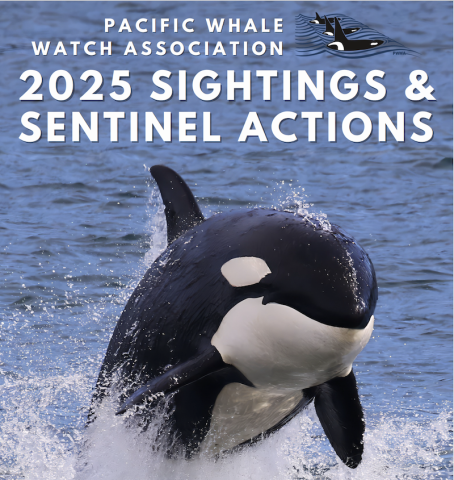
The Pacific Whale Watch Association (PWWA) is a community of ecotourism professionals with a shared commitment to education, conservation, and responsible wildlife viewing in Washington state and British Columbia. The 2025 PWWA annual report summarizes wildlife sightings and sentinel actions logged by members throughout the year. Sentinel actions are protective measures taken by professional whale watchers, such as warning vessels near whales or removing marine debris.
The Pacific Whale Watch Association (PWWA) is a community of ecotourism professionals with a shared commitment to education, conservation, and responsible wildlife viewing in Washington state and British Columbia. The 2021 PWWA annual report summarizes wildlife sightings and sentinel actions logged by members throughout the year. Sentinel actions are protective measures taken by professional whale watchers, such as warning vessels near whales or removing marine debris.
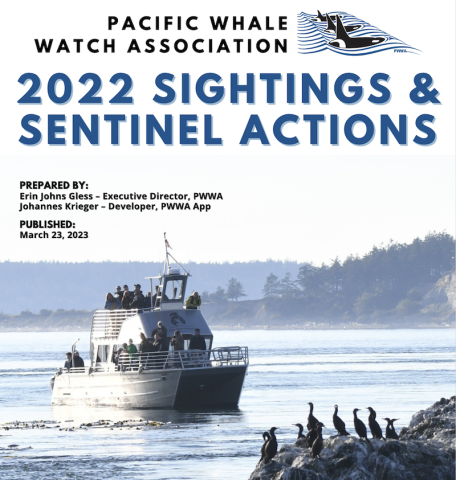
The Pacific Whale Watch Association (PWWA) is a community of ecotourism professionals with a shared commitment to education, conservation, and responsible wildlife viewing in Washington state and British Columbia. The 2022 PWWA annual report summarizes wildlife sightings and sentinel actions logged by members throughout the year. Sentinel actions are protective measures taken by professional whale watchers, such as warning vessels near whales or removing marine debris.
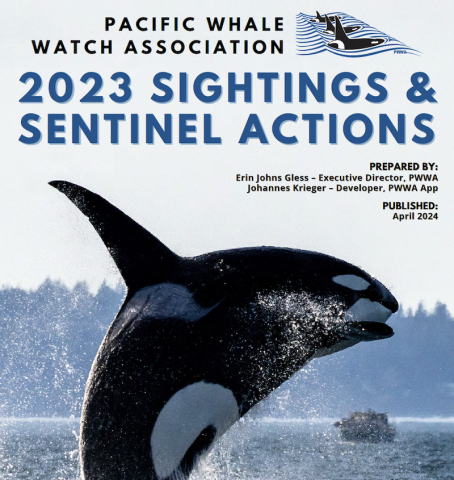
The Pacific Whale Watch Association (PWWA) is a community of ecotourism professionals with a shared commitment to education, conservation, and responsible wildlife viewing in Washington state and British Columbia. The 2023 PWWA annual report summarizes wildlife sightings and sentinel actions logged by members throughout the year. Sentinel actions are protective measures taken by professional whale watchers, such as warning vessels near whales or removing marine debris.
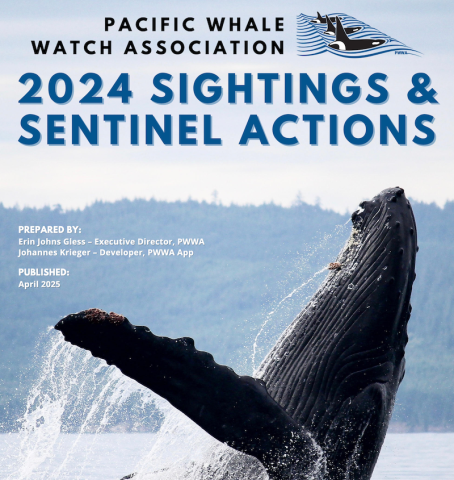
The Pacific Whale Watch Association (PWWA) is a community of ecotourism professionals with a shared commitment to education, conservation, and responsible wildlife viewing in Washington state and British Columbia. The 2024 PWWA annual report summarizes wildlife sightings and sentinel actions logged by members throughout the year. Sentinel actions are protective measures taken by professional whale watchers, such as warning vessels near whales or removing marine debris.

A 2023 report from the Puget Sound Ecosystem Monitoring Program presents an overview of selected recent monitoring and research activities focused on toxic contaminants in the Salish Sea.