Increased consumption of Chinook salmon by seals and sea lions in the Salish Sea “could be masking the success of coastwide salmon recovery efforts,” according to a new study published in the journal Scientific Reports. Endangered resident orcas are said to be declining in part due to a lack of available Chinook, the orcas' preferred prey.
Toxic chemicals have been showing up in Puget Sound fish for more than a century, but consistent testing over the past 30 years has helped to reveal some unusual patterns of pollution.
As threatened Chinook populations in Puget Sound continue to lose ground, the state is looking to new strategies to reverse the trend. In the Skagit watershed, the scientists — and the fish — are among those leading the way.
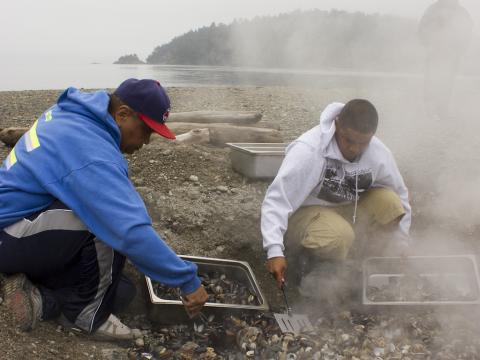
After a long struggle with pollution, Drayton Harbor has reopened to year-round commercial oyster harvesting for the first time in 22 years. Here’s how the community cleaned up its act, potentially showing the way for shellfish recovery throughout Puget Sound.
A new study shows that increased populations of seals and sea lions are eating far more of Puget Sound’s threatened chinook than previously known, potentially hampering recovery efforts for both salmon and endangered killer whales.
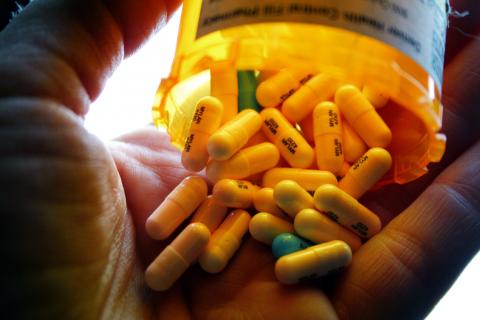
Drugs like Prozac and cocaine have been showing up in the region’s salmon. But these are just some of the potentially thousands of different man-made chemicals that escape into the Salish Sea every day, from pharmaceuticals to industrial compounds. Now the race is on to identify which ones pose the greatest dangers.
Gaps in regulations could allow invasive species to hitch a ride on ships and boats. We report on some of the potential impacts, and how state and federal agencies are trying to solve the problem.
Concerns over the potential arrival of the European green crab have inspired a small army of volunteers. A search is underway for early signs of an invasion.