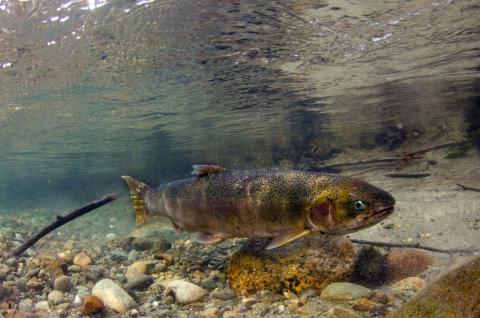
Occasionally, our magazine includes reports and essays from guest writers on the subject of Puget Sound ecosystem recovery. Biologist and author Eric Wagner has this look at an ongoing harbor seal survey at the mouth of the Stillaguamish River. Wagner says the study hinges on a basic question: Who is eating the salmon?
Tiny bone samples show that seals alter their diets as conditions change. The findings could help scientists understand whether seals are contributing to local salmon declines.
Last month's federal authorization to kill more than 700 sea lions to protect salmon runs along the Columbia River is prompting discussions of similar actions for harbor seals in Puget Sound. But experts say the situations are very different with many unanswered questions.
As wildlife managers work to recover Puget Sound’s diminished Chinook population, a proposed white paper is expected to review the impacts of some of the salmon's chief predators. The study would include a section on potential management of seals and sea lions, prompting open discussion of a long taboo subject: Could officials seek to revise the Marine Mammal Protection Act — or even conduct lethal or non-lethal removal of seals and sea lions in some cases? Such actions are hypothetical, but we look at some of the ongoing discussions around the issue as prompted by a new resolution from the Puget Sound Leadership Council.
Increased consumption of Chinook salmon by seals and sea lions in the Salish Sea “could be masking the success of coastwide salmon recovery efforts,” according to a new study published in the journal Scientific Reports. Endangered resident orcas are said to be declining in part due to a lack of available Chinook, the orcas' preferred prey.
A new study shows that increased populations of seals and sea lions are eating far more of Puget Sound’s threatened chinook than previously known, potentially hampering recovery efforts for both salmon and endangered killer whales.
New, smaller acoustic tags will allow scientists to track steelhead migrations in Puget Sound in ways that were once impossible. Will they provide answers to the mysterious decline of these now-threatened fish?
Scientists say Puget Sound’s salmon are dying young and point to low growth rates in the marine environment as a possible cause. In part one of this two-part series, scientists consider threats facing young salmon in the open waters of Puget Sound.