Fishing for rockfish was once promoted as a sustainable alternative to salmon harvests, but when rockfish numbers plummeted, fisheries managers realized they had a problem. Now a rockfish recovery plan seeks to reverse the damage as scientists learn more about protecting this once-popular game fish.
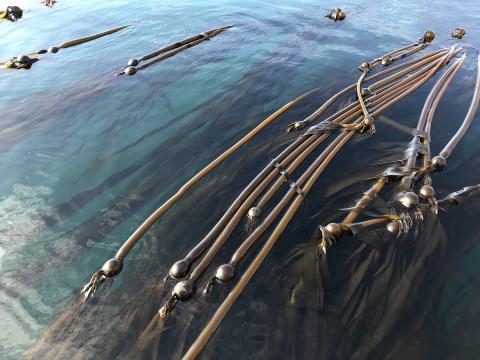
Bull kelp is easily recognized by its wavy leaves and long, floating stipes that sometimes wash ashore like slimy green bullwhips. In that sense, it is one of the more familiar types of seaweed in Puget Sound. But as kelp forests decline throughout the region, scientists are finding that there is much about this increasingly rare species that remains a mystery.
They rival tropical forests in their richness and diversity, but Puget Sound's kelp beds have declined steeply in recent decades. Scientists are just starting to understand the extent of these losses. What they are finding is bringing kelp to the forefront of Puget Sound's environmental concerns.
Puget Sound's rockfish have declined by 70% over the past few decades, prompting state and federal protection efforts. We look at some of the ways that scientists are working to reverse the fish's downward trend.
Scientists are trying to learn how to restore Puget Sound’s diminishing kelp forests in an effort to stave off habitat loss for rockfish and other threatened species.