Eelgrass

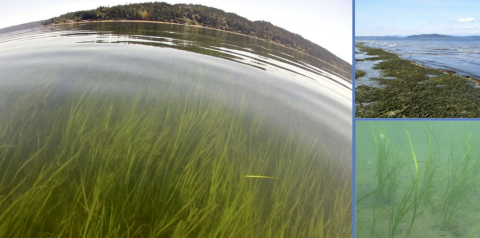
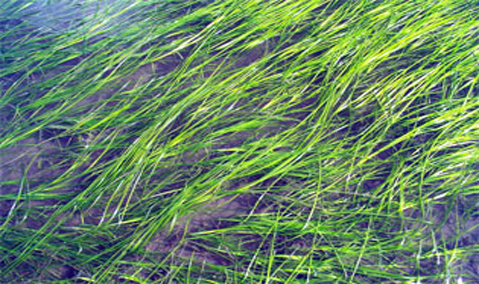
Eelgrass (Zostera marina L.) is an aquatic flowering plant common in tidelands and shallow waters along much of Puget Sound’s shoreline. It is widely recognized for its important ecological functions, and provides habitat for many Puget Sound species such as herring, crab, shrimp, shellfish, waterfowl, and salmonids.
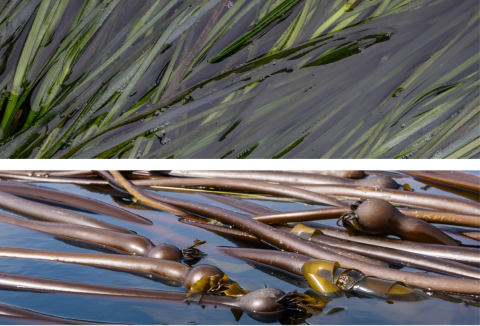
Source: Puget Sound Science Review.

Overview

Eelgrass (Zostera marina L.) is an aquatic flowering plant common in tidelands and shallow waters along much of Puget Sound’s shoreline. It is widely recognized for its important ecological functions, and provides habitat for many Puget Sound species such as herring, crab, shrimp, shellfish, waterfowl, and salmonids.
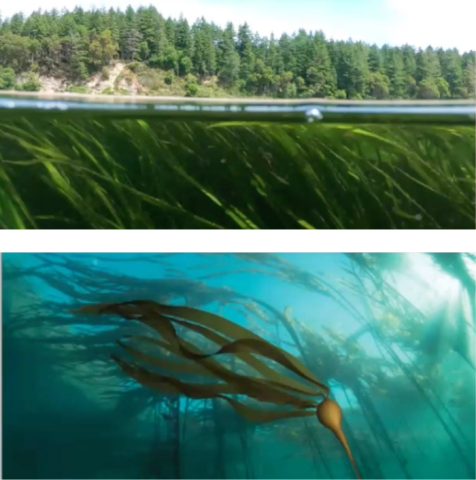
Eelgrass bed. Photo: NOAA

Related Articles

A 2026 report assesses region-wide cumulative risks for eelgrass and kelp in Puget Sound, identifying hotspots of concern, the relative threats, and projected future risks across eight marine subregions.
Researchers at the Puget Sound Institute and Washington Department of Fish and Wildlife present the first comprehensive risk assessment of threats to eelgrass and canopy kelp in Puget Sound.
Wade out into the shallows of Puget Sound on a warm, sunny day and put your ear close to the water. You might catch the faint, champagne-like bubbling of eelgrass.

A 2014 report from the Washington State Department of Natural Resources outlines a recovery strategy for native eelgrass in Puget Sound. The strategy is designed to address a target set forth by the Puget Sound Partnership to increase eelgrass by 20 percent in Puget Sound by 2020. 

Scientists are using computer models to address complex issues in the Salish Sea like the rise of harmful algal blooms and the movement of toxic PCBs. LiveOcean, Atlantis and the Salish Sea Model are three systems that are changing the game for ecologists and other researchers.

Last summer, scientists met at the University of Washington to address alarming findings concerning the rapid acidification of the world's oceans. Experts at that symposium warned that wildlife in the Salish Sea, from salmon to shellfish, may start to see significant effects from changing water chemistry within the next 10 to 20 years. This article summarizes the symposium's key findings and was commissioned and edited by the Washington Ocean Acidification Center which hosted the gathering. Funds for the article were provided by the Washington state legislature. [A version of this article was originally published by the Washington Ocean Acidification Center.]