

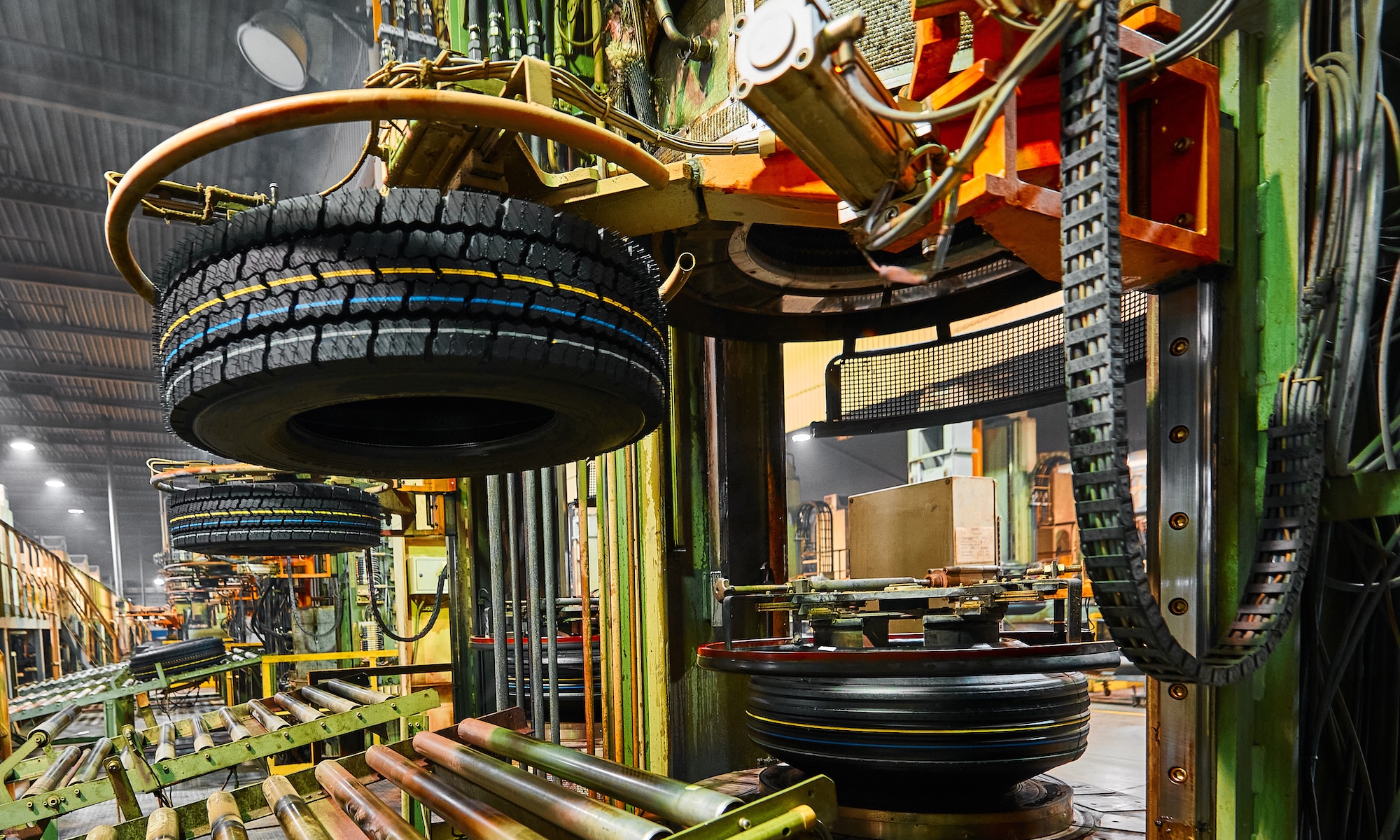
With a worldwide market valuation somewhere around $1 billion a year for the single chemical 6PPD, tire companies and their chemical suppliers are working overtime to find a safe and effective replacement for the tire additive. The financial stakes are enormous, since virtually every tire on the market today contains 6PPD.
“The environmental concerns surrounding 6PPD have spurred significant R&D investment in next-generation antiozonants,” states Intelmarket Research, a market-analysis company based in India. “Several manufacturers are developing modified PPD formulations with reduced environmental impact while maintaining performance characteristics. Early adopters of such technologies may gain first-mover advantages in positioning themselves as sustainability leaders within the rubber chemicals sector.”
As much as 6PPD-Q’s toxicity presents an environmental problem for regulatory agencies and a scientific challenge for scientists, the need to replace 6PPD has opened up a market opportunity for tire companies and their chemical suppliers.
The competition to find an alternative for 6PPD is not a straight-ahead race, however. The chemical 6PPD has multiple qualities that must be considered to make tires last long and perform well on the road without disrupting the manufacturing process — and all that must be balanced by an acceptable level of toxicity to reduce harm to aquatic creatures.
Strengths and weaknesses of various alternatives are likely to be considered by tire manufacturers before a winner is named, and it is even conceivable that different types of tires could end up with different solutions, given the nature of new tire designs.
The following companies are working on replacements for 6PPD in tires:
LANXESS Corporation
 Perhaps the most straightforward approach to replacing 6PPD is choosing a closely related, but less-toxic, substance in the same chemical family. LANXESS Corporation, a global specialty chemicals company and leading supplier of tire additives, has been focusing its attention on CCPD.
Coho salmon can survive high concentrations of the quinone form of CCPD, according to studies cited by company officials. That’s important, they say, because coho are extremely vulnerable to the quinone form of 6PPD, which results from a chemical reaction of 6PPD with ozone. It was this chemical, 6PPD-quinone, that scientists identified as the cause of an untold number of coho deaths in urban streams. One recent study (pdf) revealed that CCPD-quinone caused no coho mortality at its limit of solubility (the maximum amount that can dissolve in water).
CCPD’s performance, safety and economic considerations make the chemical an “ideal candidate” to replace 6PPD in tires, according to Michael Mackin, corporate communications manager for LANXESS.
“LANXESS has investigated other alternatives, but rated CCPD as the leading candidate for replacement for several reasons,” Mackin said in an email. “CCPD performance metrics are very similar to those of 6PPD and therefore offer a simple replacement solution.”
Raw materials are readily available, he noted, so CCPD can be produced without major new investments or disruption to the tire industry.
While the effects of CCPD-quinone on coho may be far less than the effects of 6PPD-quinone, a full characterization of the chemical and its transformation products has not been completed, company officials acknowledge. It isn’t clear, for example, what other transformation products may result from the reaction of CCPD with ozone. Nor do experts understand the toxic effects on coho of these other chemicals.
For information about transformation products, LANXESS cites a study conducted on rainbow trout, tiny amphipods (Hyalella Azteca) and water flees. For rainbow trout, the ozonated transformation products for CCPD are, all together, less toxic than for the ozonated products for 6PPD, but it is well established that rainbow trout are less sensitive than coho to 6PPD-quinone.
In addition, little is known about the sublethal effects of CCPD-quinone and other transformation products that might affect the growth, metabolism or behavior of aquatic species at lower concentrations. This may not be surprising, since sublethal effects are still not well understood for species exposed to the notorious 6PPD-quinone.
Mackin acknowledges that even CCPD is not a “drop-in replacement” for 6PPD, despite its similar chemical makeup. Minor compounding measures may be needed, such as the addition of a retarder in the vulcanization process. Still, many of the advantages of 6PPD are retained, including hardiness, tensile strength and rebound, he noted.
Later this year, LANXESS plans to increase its production of CCPD, which is sold under the name Vulkanox 4060. That will provide sufficient material for extended trials and broader fleet testing, company officials say.
“Since LANXESS does not produce tires, the timeline largely depends on that of our customers,” according to a prepared statement. “While early indications from more than five successful tire test results show potential usability in tires, long-term performance still needs to be proven out… While final validation on aged tires at our customers’ sites will require additional time, we are confident that the product is progressing strongly toward commercialization.”
LANXESS Corporation is the U.S. subsidiary of LANXESS AG, based in Germany and operating in 32 countries. It was spun off from Bayer AG in 2004 to become a diversified specialty chemicals firm dealing in agrochemical intermediates, flame retardants, lubricant additives, biocides and preservatives. The company reports about 11,700 employees globally, with nearly 2,000 in North America, where it has 18 production sites in the U.S. and Canada.
Asahi Kasei Corporation
 The approach by this major Japanese company, Asahi Kasei, is to alter a common material used in tires, styrene butadiene rubber, by adding hydrogen to the polymer chain at the molecular level. The result (pdf), called hydrogenated styrene butadiene rubber or HSBR, is less subject to attack by ozone, which can break chemical bonds and lead to severe cracking in the rubber.
The result is an ability to reduce the amount of 6PPD in a tire by 40 percent while increasing the rubber’s strength as well as its resistance to heat and chemicals, according to Christian O’Keefe, corporate communications specialist with Asahi Kasei America. Furthermore, fatigue resistance in sidewalls, which undergo added stresses, was more than doubled in comparison to standard tires.
The proprietary hydrogenation process supplants carbon-to-carbon double bonds in the molecular structure with hydrogen atoms, according to studies. Since ozone can break the double bonds and weaken the rubber, the effect of hydrogenation is to have fewer points of attack. But fewer double bonds results in a more pronounced crystalline structure and creates problems of compatibility with other materials in the tire mix.
To get around the problem, Asahi Kasei developed a unique catalyst and production process to achieve “selective hydrogenation” that leaves some of the double bonds — carefully balancing ozone resistance with coherence among materials.
Asahi Kasei acknowledges that 6PPD or another antiozonant is still needed in the tire formulation, but HSBR with reduced 6PPD could serve as an interim solution and eventually produce a better tire.
The new HSBR tire material is being evaluated by tire manufacturers throughout the world, O’Keefe said.
Asahi Kasei, based in Tokyo, originated as a fabric company in 1922, moving into chemicals in 1931. Today, the company produce a multitude of products with 309 subsidiaries operating in about 40 countries with more than 50,000 employees.
Flexsys
 Flexsys, one of the world’s largest suppliers of rubber additives, announced in November that it had developed a new tire additive that can protect tires from degradation without forming a troublesome “quinone” transformation product.
The company, based in Akron, Ohio, has not released chemically related information to the public but has indicated that details about the new molecule could be released later this year.
During an online forum about 6PPD in December, Neil Smith, the company’s chief technology and sustainability officer, said he understands that people want to know about the new tire additive. But Flexsys must first secure intellectual property rights, probably through patents, to ensure a smooth transition to marketability.
“I get it,” Smith said during his online presentation. “There are many, many scientists on this call. I understand: ‘This sounds really good, Flexsys. Show me the data.’ You want to make your own judgment; you don’t want to hear only what Flexsys has to say about it. I’m here to say that we appreciate that. We will be very open. We will be sharing all the data.”
The quest to find a replacement for 6PPD began five years ago in the Flexsys lab at company headquarters in Akron, Ohio, Smith said. Work started soon after the discovery of the deadly nature of 6PPD-quinone. He noted that Flexsys is the only U.S. company still producing 6PPD, a universal tire additive marketed by multiple companies throughout the world.
About 25 chemists and technical workers began the project with the goal of finding a chemical that would protect human health and the environment while maintaining tire performance and life span, Smith said. The chemical must not form a quinone and must not be in the chemical class of PPDs. At the same time, intellectual property rights must be secure, he said. Furthermore, the new tire additive should be produced in a manner consistent with the feedstock used to produce 6PPD to maintain existing industrial processes.
“When we set these goals, we were not even sure it could be done,” Smith said, “but that was our target.”
Flexsys filed patents on thousands of chemical structures to be evaluated as potential alternatives to 6PPD, according to Smith. After extensive testing, a handful of chemicals appeared to meet all the initial goals, he said. Further study and deliberations are expected to result in a single chemical going forward.
"I could not be more proud of the perseverance and dedication of the Flexsys R&D team,” Smith said in a news release in November, as the company announced its success. “Our group has been highly motivated by both the technical challenges of this project as well as the positive societal impact that this work will ultimately have.”
Since the announcement, the company has turned its attention to optimizing the chemical processes, which is expected to improve production efficiency to meet the needs of a massive, worldwide tire industry.
A more distant goal described by the company is to produce more sustainable, bio-based materials for tires, including antidegradant compounds. In 2023, Flexsys signed a research agreement with the U.S. Department of Agriculture to explore more sustainable alternatives to 6PPD. Multiple email inquiries about progress on that project received no reply.
In March, Flexsys was presented with the Chemical and Compounding Innovation of the Year Award, recognizing the progress in creating a novel alternative to 6PPD. Voting was conducted among journalists and industry specialists and coordinated by Tire Technology International magazine, based in England.
Flexsys originated in 1995 as a joint venture between the rubber chemicals businesses of Monsanto and Akzo Nobel. Eastman Chemical Company acquired the Flexsys business in 2012. In 2021, One Rock Capital Partners, a private equity firm, acquired the tire-additives division from Eastman, established a stand-alone company, and restored the Flexsys name.
Flexys reports that it is the last company to maintain production of 6PPD in the United States. The company says it employs between 500 and 1,000 workers overall.
Sennics
 Sennics, one of the world’s largest suppliers of polymer additives, also claims to have developed a new novel antioxidant, which it has named SA6000.
“Featuring an entirely new chemical structure, SA6000 delivers superior environmental and application performance, with patents secured in both China and the United States,” states a news release issued in December. “The company is positioned to rapidly scale up production using existing production lines to meet anticipated global demand for new, high-end, and eco-friendly antioxidants…
“Different from para-phenylenediamines (PPDs), its unique chemical structure exhibits enhanced environmental attributes while maintaining excellent formulation compatibility, causing no significant impact on uncured rubber compounds, the press release continues. “Moreover, SA6000 provides exceptional protection against ozone and thermo-oxidative aging …. The dynamic performance of rubber compounds incorporating SA6000 is comparable to those containing 6PPD.”
The company says it has completed comprehensive laboratory testing for SA6000 with favorable results and is continuing with performance testing. SA6000 can be produced with readily available raw materials, Sennics says. So far, the chemistry of SA6000 has not been publicly disclosed.
Meanwhile, the company is developing bio-based antioxidants with properties that allow active compounds to migrate to the tire’s surface where degradation would otherwise take place.
Said Sennics CEO Gao Shiming, “Today, SA6000 represents a true breakthrough in both comprehensive performance and ecological safety, offering the industry a transformative high-performance alternative.”
Sennics Co. Ltd., a subsidiary of Sinochem International, is based within the Pilot Free Trade Zone in Shanghai, China, where the Chinese government provides a testing ground for economic reforms. The company operates in more than 50 countries with extensive distribution in Europe, North America and Southeast Asia. It reports worldwide employment at more 1,800 workers.
Sennics claims to be the world’s largest supplier of 6PPD and RT-Base, a key precursor in the manufacture of 6PPD and related tire antidegradants.
Perpetuus Advanced Materials
In November of last year, Perpetuus Advanced Materials, a company specializing in engineered graphene-based materials, announced that it had developed a new rubber formulation that does not contain 6PPD.
“This is no longer about mitigation; we’ve replaced 6PPD,” declared John Buckland, CEO of Perpetuus, based in Wales.
Graphene, known for its extreme tensile strength, is formed when carbon atoms align in a single layer to produce a two-dimensional hexagonal lattice. The individual layers, laid upon each other, may be aligned by chemical engineers to perform a particular function.
In its rubber formulation, Perpetuus combines tiny stacks of these graphene sheets, known as graphene nanoplatelets, or GNPs, with basic organic chemicals, called amines, to produce a strong but highly reactive material that can scavenge destructive free radicals. The process involves the use of an electrically energized gas, or plasma, to alter the surface chemistry of the graphene nanoplatelets. The company says aspects of the process and formulation are legally protected as intellectual property.
“This isn’t a patch; it’s a permanent replacement,” Buckland declared in a news release. “Our amine functionalized GNPs deliver the same anti-degradant function as 6PPD, but with zero toxic quinone by-products. This isn’t theory. It works in formulation and scales now.”
The material is supplied in industrial quantities as pre-mixed sheets or blocks, allowing direct integration into the tire-manufacturing process, according to company information. “The masterbatch covers over 90 percent of the dry ingredients used in tire production and replaces several process oils and additives, improving workplace air quality while keeping mixing simple,” states a news release.
In terms of testing, the material has been “validated internally” by comparing its ozone resistance, thermal aging and durability to compounds containing 6PPD, according to Rob Williams, chief digital and information officer with Perpetuus.
“We are now moving from internal validation to full-scale production and road trials in collaboration with tire OEMs (original equipment manufacturers) in India,” Williams said in an email, adding that a new masterbatch plant has been established in Kerala, India.
“Our internal chemistry review and the wider literature show no degradation pathway that would lead to toxic transformation products like 6PPD-quinone, and the material has been designed specifically to minimize migration, oxidation and leaching under both processing and in-service conditions,” he added.
Williams noted that specific testing results are not yet shared with the public, as the company moves toward full-scale commercialization in partnership with tire manufacturers. Questions about what tire compounds may be released into the environment under driving conditions, how much these new tires may cost consumers, and when they might become available have not yet been answered.
Even before the discovery of the deadly chemical 6PPDQ, Perpetuus was testing and promoting graphene-enhanced tires, primarily based on improved durability and performance, as revealed in Graphene-Info, a web-based portal “for all things graphene.” The article says graphene-enhanced tires were tested alongside regular tires on commercial light vehicles. The new design was said to improve wear resistance by 40 percent over older tire materials.
Concerns about the damage to salmon and trout populations, starting in 2020, apparently gave new life to the Perpetuus line of products, which alters the basic tire formulation and avoids the additive 6PPD, associated with aquatic toxicity.
Perpetuus Advanced Materials Ltd. was founded in 2015, the same year a patent application was submitted to the U.S. Patent and Trademark Office to protect the concept of the graphene nanoplatelet material.
Akron Polymer Solutions
 This small company, based in Ohio, has developed a proprietary graphene compound, called Prophene, which is said to reduce friction among various parts of a tire, increase longevity and enable production using less material. A published study by company experts says the product can improve resistance to ozonation and oxidation and reduce the use of 6PPD by 70-80 percent while acting as a free radical scavenger.
A patent application by APS on specific graphene additives to tire sidewalls makes this statement: “Graphene can function as an antioxidant and antiozonant, all while having no trade off or loss in basic mechanical properties, processing, or vulcanization kinetics.”
“We drove the research on graphene early on,” said Doug Paschall, president of APS. “We have a path that we think will solve the (6PPD) problem.”
Extensive research has been conducted on Prophene in various rubber formulations that can be used in tires, he said. Negotiations are underway with tire companies to produce actual tires for testing, both on and off the road.
The market for Prophene currently involves manufacturers of after-market automotive components made of rubber, such as seals and gaskets, Paschall said. The company is prepared to move forward to help solve the environmental problems caused by 6PPD in tires.
Akron Polymer Solutions, based in Akron, Ohio, was formed in 2020 by Paschall, formerly with Lockheed Martin Energy Solutions. He engaged a team of engineers highly experienced in rubber compounds to develop and test the new materials.
Akron, known historically as the Rubber Capital of the World, was home to four of the largest tire companies in the early 1900s — and Goodyear retains its headquarters there. Today, Akron is known for polymer research by public and private entities as well as partnerships, including the University of Akron’s School of Polymer Science and Polymer Engineering.
Faradyne Power Systems
 When microscopic platelets of graphene are stacked in an orderly manner, the material becomes graphite — the stuff used in “lead” pencils. But if the platelets are stacked in a disordered, somewhat random arrangement, the substance becomes what the company Faradyne Power calls “turbostratic graphene.”
Light in weight but extra strong, turbostatic graphene is said to be more dispersive in polymers, making it more compatible with rubber compounds. With increased abrasion resistance, thermal conductivity and gas-barrier performance, Faradyne claims that fewer chemical additives are needed. The company says its product can be produced at large scale and at lower cost than conventional graphene.
Faradyne is a new company, formed in 2023 after pulling together scientists, executives and entrepreneurs with many years in the tire-chemical and energy sectors.
Troy Tack, the company’s executive vice president, said he believes that graphene has the potential to eliminate the need for 6PPD.
“If you would ask me the question, ‘What is the readiness for commercial scale?’ I think we can optimize the graphene levels, and we could push the 6PPD out the door completely, I think, with some other experimental variants, perhaps combining with some other promising chemicals,” Tack said in December during an online symposium about 6PPD.
In a prepared statement, the company said graphene captures free radicals to control oxidation, yet graphene is not water soluble, and it tends to stay in the tire.
“This makes it a structurally different class of solution — not just a chemical substitute, but a material that stays bound in the compound,” the statement says.
“It is important to note that Faradyne does not claim graphene fully replicates 6PPD performance under all conditions at current tested loadings,” the statement continues. “The company's position is that graphene represents a technically credible candidate for partial or full replacement, with ongoing lab work defining the performance envelope.”
The company says it is conducting testing with Akron Polymer Solutions and Akron Rubber Development Laboratory. Positive results have been shown for rubber stiffness, which affects ride quality and durability; tear strength, abrasion resistance and cure characteristics. The effects of aging were worse in the graphene-only material, compared to the TMQ/6PPD control, but supplementing graphene with reduced levels of conventional antioxidants “is expected to close this gap and is part of the next study phase.” (TMQ is a conventional antioxidant with limited anti-ozone properties.)
Ozone resistance and fatigue resistance are part of the study, now undergoing laboratory analysis. Faradyne Power has not projected a commercial launch date for its tire products, called ProCene and ProCano.
The company’s subsidiary, Stratic, Inc., has developed a process to turn common biomass, such as wood debris, into high-quality turbostratic graphene, according to company materials. Avoiding petrochemicals in graphene production also supports the move toward lower carbon emissions — an emerging issue for the tire industry, officials say.
A new high-production plant in Montana will utilize woods chips from forests where pine beetles have killed the trees. The plant, located in the Montana Connections Business Development Park near Butte, will use high temperatures to produce biochar, which can then be turned into graphene, as well biodiesel.
The U.S. Forest Service provided a $300,000 grant to design the facility, which could open a new market for low-value woody biomass, thus offsetting the cost of forest management, according to company officials
Molecular Rebar Design
 Molecular Rebar Design, a company based in Austin, Texas, has developed a process using graphene that has been shaped into tiny tubes rather than flat sheets. In effect, the sheets of carbon molecules turn back on themselves to create cylinders of various sizes at the molecular level.
Traditional methods of production cause nanotubes to clump together, which limits their function. In 2008, Kurt Swogger and Clive Bosnyak discovered a way to untangle the clumps of nanotubes through a high-energy chemical oxidation process. The patent-protected technology also helps disperse the nanotubes throughout the rubber, producing a lighter and stronger tire material, according to company officials.
Since Swogger and Bosnyak formed the company Molecular Rebar Design in 2010, their innovations have led to a variety of new rubber formulations using untangled carbon nanotubes under the registered name “Molecular Rebar.”
“This subtle-sounding breakthrough has powerful implications,” according to the company’s website. “When integrated into tire tread, Molecular Rebar significantly enhances performance — even at low concentrations.”
In 2023, Molecular Rebar Design used a Small Business Innovation Research grant from the Environmental Protection Agency to study how the company’s carbon nanotubes can reduce or replace 6PPD in tires. The study, reported in the publication “Rubber World,” showed that Molecular Rebar’s carbon nanotubes can reinforce the rubber and suppress the formation of tiny cracks caused by ozone, without engaging ozone in a chemical reaction. To protect against oxidation, safer antioxidants may be used.
In conclusion, the report states, “the combination of Molecular Rebar with typical antioxidants, TMQ and protective waxes is a readily implementable solution to removal of 6PPD from tire sidewall compounds, with foreseen extrapolation to other tire compounds, like the tread.”
Research continues under a $500,000 Hill Prize to Molecular Rebar Design. The prize is funded by Lyda Hill Philanthropies, which supports research into “ideas with significant potential for real-world impact.”
Using the funds, researchers will formulate sidewall and tread rubber without 6PPD or any of the closely related chemicals. Prototype tires will be built and tested on light-truck tires, which will undergo safety, performance and ozone-resistance analysis to validate previous research findings. The result will help determine the feasibility of replacing 6PPD in tires with a Molecular Rebar formulation.
Encouraged by advances so far, Molecular Rebar Design is pursuing investment to expand its production capacity and develop a market for safer tires. At the same time, the company also has conducted government-funded research to produce lighter and stronger tires with Molecular Rebar to be used in electric vehicles, which are heavier than conventional vehicles with extra demands on tires. The research on EV tires also has applications for tires built without 6PPD.
Molecular Rebar Design’s Austin campus includes a research and development lab and production facilities that deliver Molecular Rebar to manufacturers throughout the world. End products include seals and gaskets used in the oil industry, batteries installed in electric- and gasoline-powered automobiles and shoes made with rubber soles. Tires are a relatively new application. The company employs about 25 people throughout its operations.
View series: Seeking alternatives to 6PPD
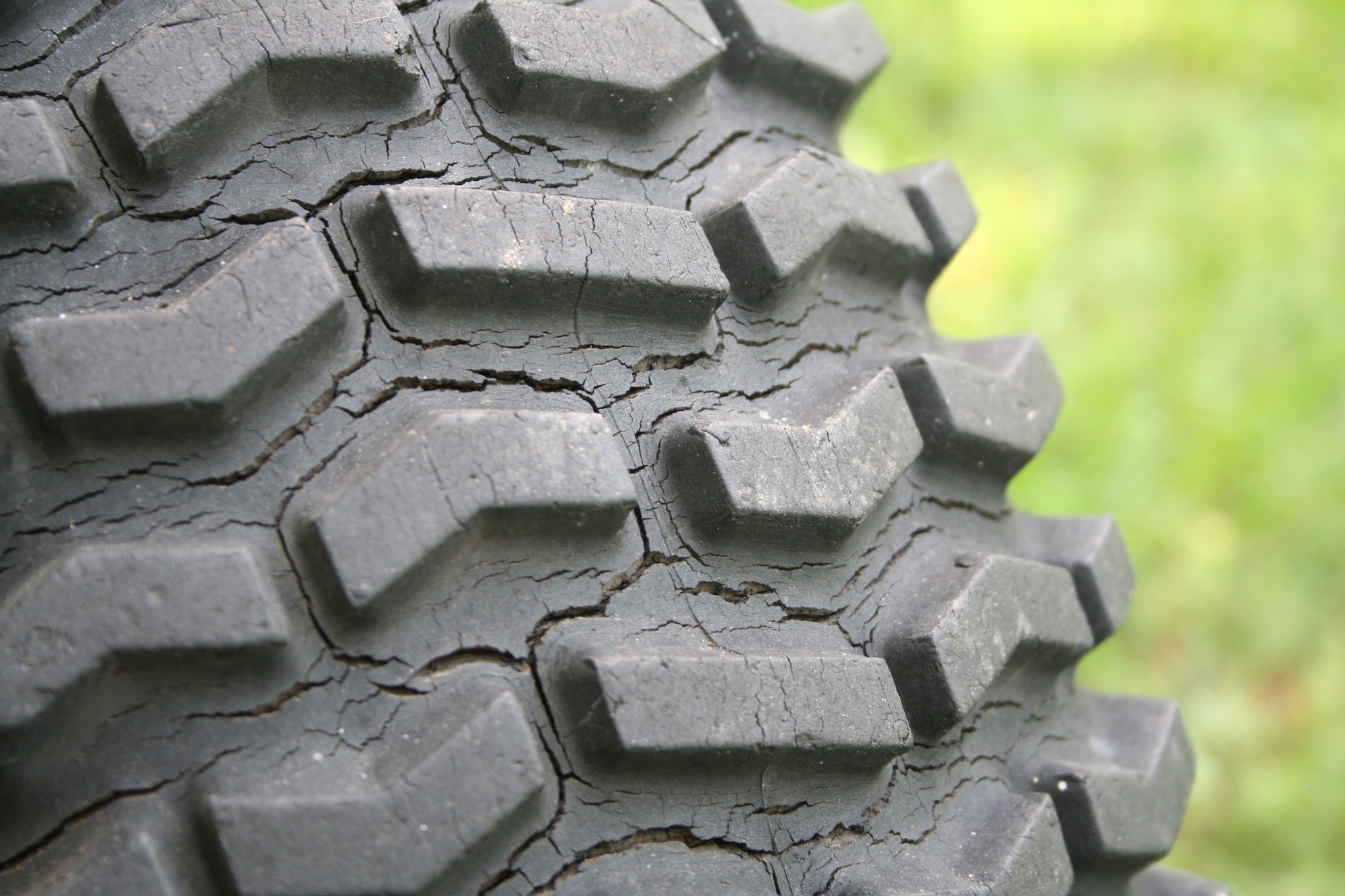 | A chemical found in virtually all tires manufactured around the world can turn deadly for some salmon species. Chemical companies are searching for an alternative, but say the unique chemistry and function of 6PPD are major challenges. Formal legal processes are underway in Washington and California to seek alternatives to the highly toxic chemical in tire, and tire companies and their chemical suppliers are working overtime to find a safe and effective replacement for the tire additive. |