Salish Sea Currents magazine

Salish Sea Currents is an online magazine founded in 2014 focusing on the science of ecosystem recovery. Browse individual stories below or visit the Salish Sea Currents magazine homepage to see them organized by topical series.

We regularly compile stories into printed yearbooks intended as special reports for Puget Sound policymakers. These are also available for viewing as PDFs:


Related Articles

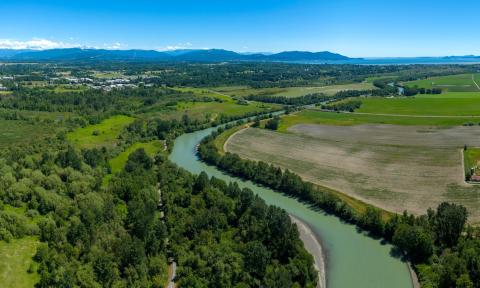
A state plan calls for reductions in nutrients across 163 distinct watersheds in Puget Sound, including non-point-source pollution. Agencies and restoration practitioners are looking at ways to measure the problem and hope to work with a broad slew of landowners and other partners to help control it. This article is part of an occasional series on nutrient pollution in Puget Sound.
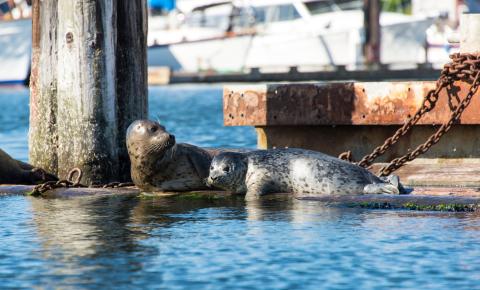
A proposed amendment to the Marine Mammal Protection Act has renewed a debate over the merits of killing seals and sea lions to protect salmon. Proponents say it will help some endangered salmon populations while opponents say the legislation is misguided and likely to be counterproductive.
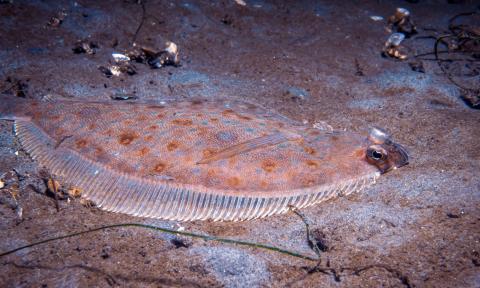
A new report from the Puget Sound Institute and the University of Washington School of Aquatic and Fishery Sciences examines a species-level approach to oxygen risks in Puget Sound. Case studies of Dungeness crabs, English sole, and Chinook salmon provide new details on when and where individual species may be most vulnerable. Funding for this article is provided in part by King County.
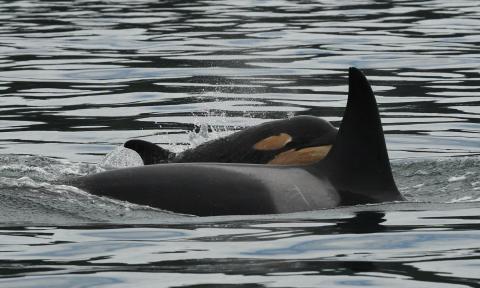
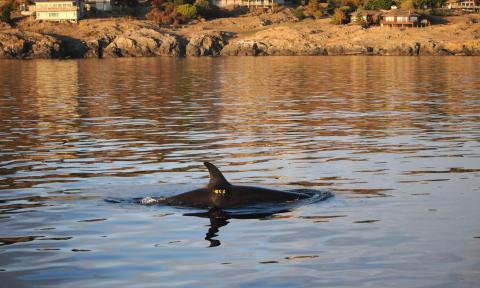
The news of two new southern resident orca calves this year marks the 50th anniversary of whale counts from the Center for Whale Research.
Killer whales are active both day and night, but most scientific research focuses on their daytime activities. A recent study looked at a small group of endangered southern residents to find out how often they hunt after the sun goes down. Ocean noise tends to decrease at night, potentially making it easier for the whales to catch salmon, but could they take advantage?
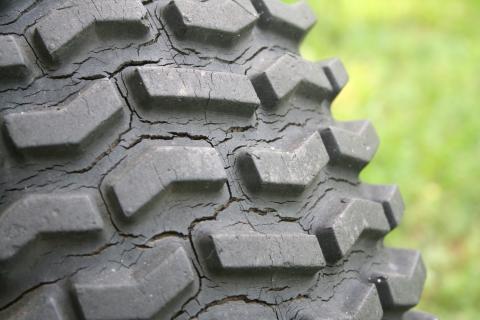
A chemical found in tires is leading to the deaths of untold numbers of coho salmon in Puget Sound every year. Chemical companies are searching for an alternative but say the unique chemistry and function of 6PPD are major challenges. This article is part one of a three-part series.