Tires and toxics (6PPDQ)

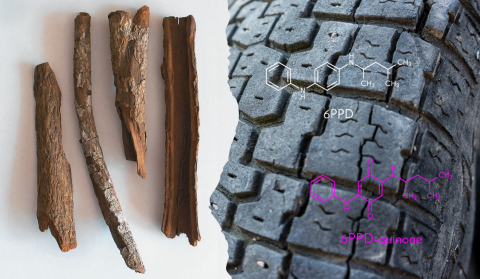
A tire-related chemical found to kill coho salmon and other fish has come under intense worldwide investigation ever since Puget Sound researchers isolated the singular compound from among thousands of pollutants residing in stormwater. The chemical, 6PPD-quinone (6PPDQ), was virtually unknown until its isolation in 2020. Now, it is recognized as one of the most toxic chemicals ever seen in the aquatic environment. Scientists from at least 10 countries have been measuring its effects on a variety of fish and other organisms. Meanwhile, other researchers have been probing the chemical’s influence and damage at the cellular level. In rapid succession, dozens of reports in scientific journals have described some remarkable findings — and yet much about 6PPD-Q remains unexplained.

Source: Encyclopedia of Puget Sound

Overview

Environmental engineers and chemists at the University of Washington Tacoma have identified a mysterious compound implicated in the deaths of large numbers of coho salmon in Puget Sound. The chemical is linked with a rubber additive commonly used in tires and is thought to kill more than half of the spawning coho that enter the region's urban streams every year. 

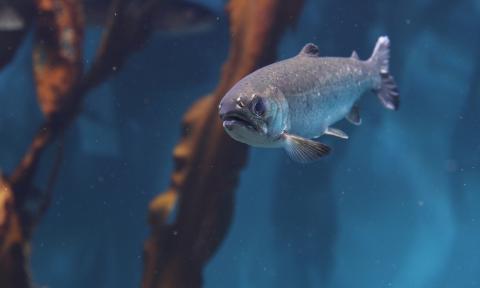
A returning Coho Salmon at the Suquamish Tribe's Grovers Creek Hatchery. Photos: K. King/USFWS (CC BY-NC 2.0)

Related Articles

A chemical found in tires is leading to the deaths of untold numbers of coho salmon in Puget Sound every year. Chemical companies are searching for an alternative but say the unique chemistry and function of 6PPD are major challenges. This article is part one of a three-part series.
Formal legal processes are underway in Washington and California to seek alternatives to the highly toxic chemical in tires. We continue with part two of our three-part series on efforts to find a replacement for 6PPD.

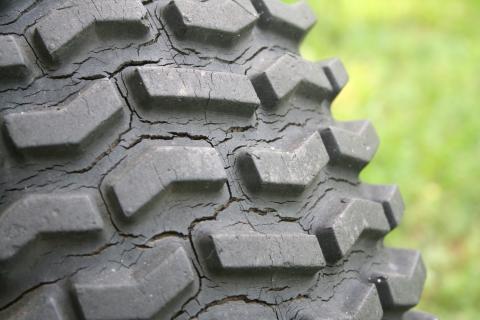
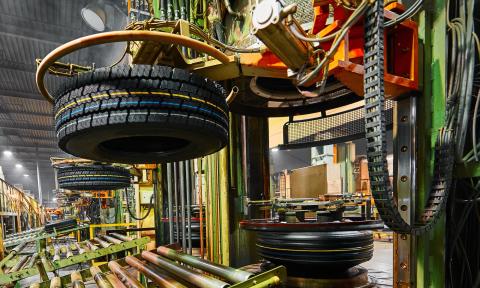
With a worldwide market valuation somewhere around $1 billion a year for the single chemical 6PPD, tire companies and their chemical suppliers are working overtime to find a safe and effective replacement for the tire additive. The financial stakes are enormous, since virtually every tire on the market today contains 6PPD.

“The environmental concerns surrounding 6PPD have spurred significant R&D investment in next-generation antiozonants,” states Intelmarket Research, a market-analysis company based in India. “Several manufacturers are developing modified PPD formulations with reduced environmental impact while maintaining performance characteristics. Early adopters of such technologies may gain first-mover advantages in positioning

Untold numbers of hatchery fish may be dying from exposure to tire-contaminated runoff, according to a new study.

Finding a replacement for 6PPD in tires is one major challenge; another is to prevent the highly toxic derivative 6PPD-Q from reaching salmon streams and killing fish.

Research that began in Puget Sound has revealed much about the cellular-level assault on vulnerable salmon and trout, yet the puzzle remains incomplete.