Water quality

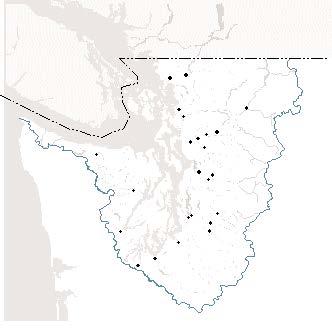
Puget Sound is unique in the lower 48 Unites States because of its fjord-like physiography, inland extent, wide range of depths, and urbanized watersheds and shorelines. Limited exchange of seawater between sub-basins within Puget Sound can result in long residence times, potentially increasing the susceptibility of biota to contamination introduced through human activities. The varied habitats within Puget Sound support multiple life history stages of many species, potentially exposing sensitive life stages to contamination. There are multiple water quality concerns in Puget Sound:

  • Levels of toxic contaminants in biota that live or feed in Puget Sound.
  • The eutrophication of marine waters, producing hypoxic and anoxic regions.
  • Wastewater contamination, principally from combined sewer overflows or septic systems
  • Harmful algal blooms, which introduce toxins that enter the food web
  • Acidification of marine waters, and the adverse ecological effects that result.

Degradation of water quality in Puget Sound occurs through three primary mechanisms. The first is through the introduction of toxic contaminants, primarily comprising manufactured synthetic chemicals, but also including compounds that occur naturally that are concentrated in the local environment to toxic levels via human activities. The second is through human-caused changes in naturally occurring chemicals, compounds, or physical parameters (e.g., temperature, turbidity, nutrients, pH). The third is through introduction of new diseases or pathogens, or through other activities that cause an unnatural increase in disease organisms.

Sources:

Puget Sound Science Review


Overview

A 2023 report from the Puget Sound Ecosystem Monitoring Program presents an overview of selected recent monitoring and research activities focused on toxic contaminants in the Salish Sea. 

Cover of 2022 Salish Sea toxics monitoring synthesis: A selection of research

Related Articles

This seventh Puget Sound Update is based primarily on the findings of the Puget Sound Ambient Monitoring Program (PSAMP). The PSAMP is a long-term effort to investigate environmental trends, improve decision-making and prevent overlaps and duplication in monitoring efforts. The results of the PSAMP are supplemented by the findings of many other efforts to evaluate the condition of Puget Sound’s waters, sediments, nearshore habitats and biological resources.

This Puget Sound Update is the eighth report of the Puget Sound Ambient Monitoring Program (PSAMP) since the program was initiated in 1988 by the State of Washington.

The Puget Sound Update is a technical report that integrates results of PSAMP and other scientific activities in Puget Sound focused on marine life and nearshore habitat, marine and freshwater quality, and toxic contamination.

In 1996 the Washington State Legislature decided that, in order to effectively target protection efforts in the future, it was time to evaluate how well current efforts to protect Puget Sound are working.

This is the Puget Sound Water Quality Action Team’s second report on key indicators of Puget Sound’s health. This report has been prepared in response to the Washington State Legislature’s request to evaluate efforts to protect Puget Sound. This second report includes updated information on the 12 indicators originally presented in 1998 as well as information on five new indicators.

Unusually warm water temperatures continue in central and south Puget Sound while Willapa Bay returns to expected water temperatures as a result of stronger coastal upwelling. Extensive mats of organic debris develop in many places, particularly in Central Sound overlapping with a fading Noctiluca bloom. King County confirms Noctiluca and shares plankton species information. Red-brown and brown blooms are going strong in southern inlets and around the San Juan Islands. Our inspiring WCC Intern gets on boats, into the air, and to the lab.