

All Articles
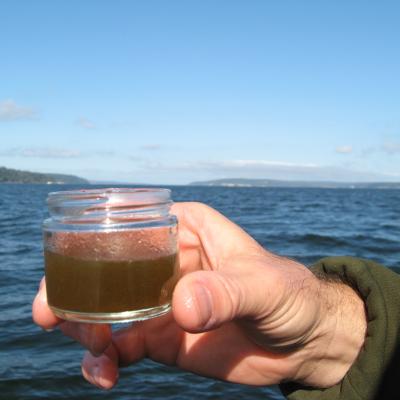
Suspended marine pollutants more likely to enter food web
Researchers are studying how persistent pollutants such as PCBs avoid settling to the bottom of Puget Sound. This article continues our coverage of new theories on the spread of toxic chemicals in the food web.
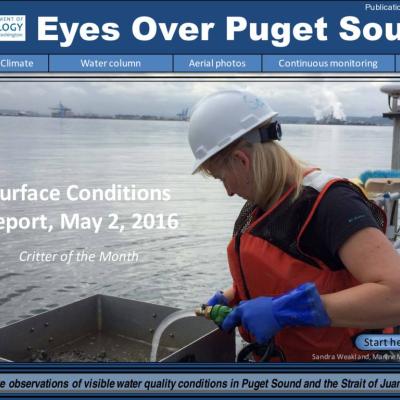
Eyes Over Puget Sound: Surface Conditions Report – May 2, 2016
Spring air temperatures are higher - it has been sunny and dry. The snowpack is quickly disappearing as temperatures are up to 7 °F warmer at higher elevations. Snowmelt-fed rivers are running very high. How does this affect water quality in Puget Sound? A strong spring phytoplankton bloom extends across Puget Sound and the Strait of Juan de Fuca. Water temperatures are still higher than normal
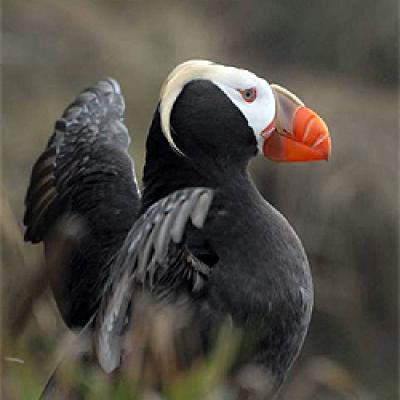
The growing number of species of concern in the Salish Sea suggests ecosystem decay is outpacing recovery
The number of species of concern in the Salish Sea is growing at an average annual rate of 2.6%, according to a report published in the proceedings of the 2016 Salish Sea Ecosystem Conference in Vancouver, B.C.
Clean Water District Activities in Jefferson and Clallam Counties
This report summarizes activities and accomplishments completed under the grant PO-00J100-01 from September 13, 2010 to December 31, 2015.
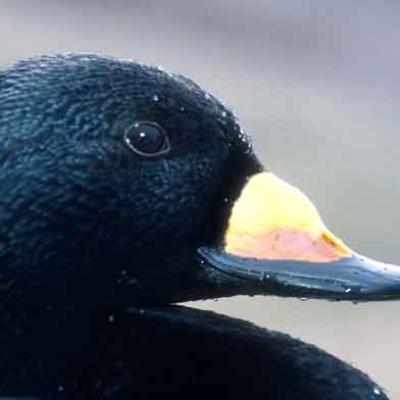
Conference snapshot: The number of species of concern in the Salish Sea is growing steadily
The number of species of concern in the Salish Sea is growing at an average annual rate of 2.6%, according to a report published in the proceedings of the 2016 Salish Sea Ecosystem Conference in Vancouver, B.C.
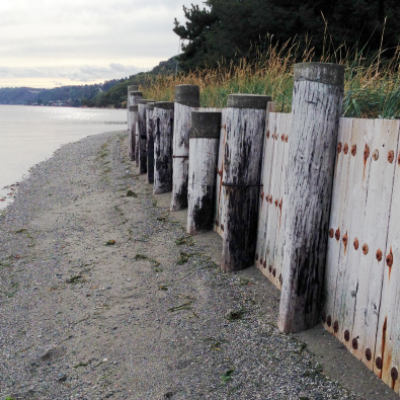
Conference snapshot: Long-term study looks at impacts of shoreline armoring
A new peer-reviewed study reports significant findings on the impacts of shoreline armoring in the Salish Sea.
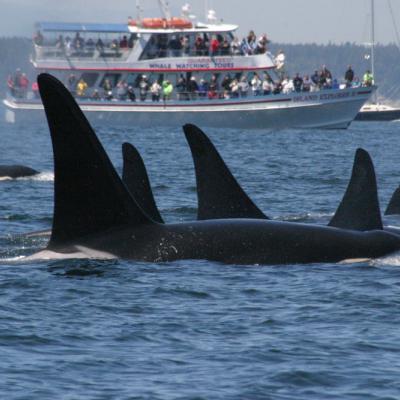
Conference snapshot: Listening to the Salish Sea
Scientists are realizing that underwater noise in the Salish Sea affects a broad range of species, even plankton. Read a Q & A with the organizers of the session 'From plankton to whales: underwater noise and its impacts on marine life.'
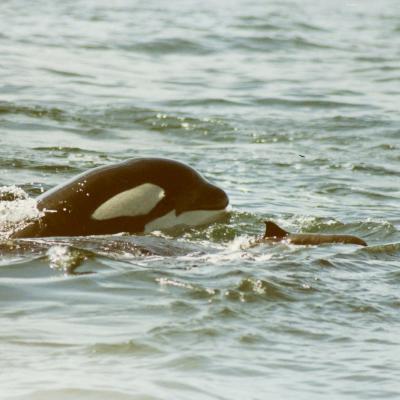
Resident killer whales sometimes attack porpoises but never eat them
The mysterious practice of killing porpoises may have a useful function, but it has yet to be fully explained, according to orca researcher Deborah Giles.
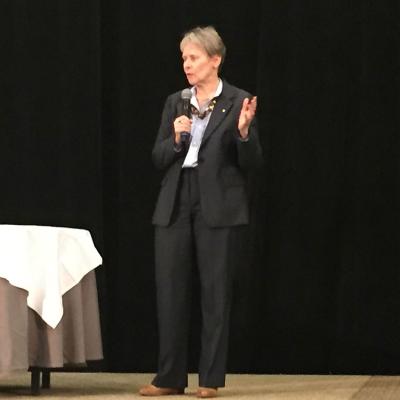
Perception is the key to a better future, says Canadian astronaut
Dr. Roberta Bondar opens the three-day Salish Sea Ecosystem Conference in Vancouver, B.C., by challenging people to see things in different ways.
Gearing up for the 2016 Salish Sea Ecosystem Conference
About 4,600 miles of coastline wind from southern Puget Sound to northern British Columbia along what is known as the Salish Sea. It is a land of connections and contradictions. Snowmelt from three national parks feeds more than a thousand creeks and rivers that in turn flow to the rich floodplains and estuaries of places like the Skagit and Nisqually deltas. It is one of the most diverse and