All Articles
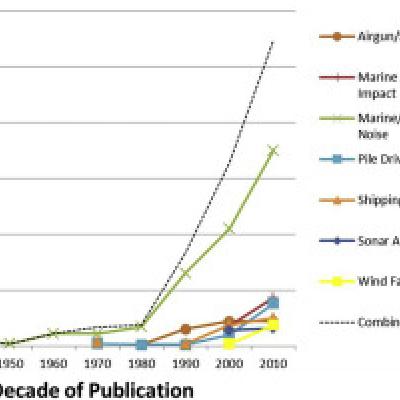
Impacts of anthropogenic noise on marine life: Publication patterns, new discoveries, and future directions in research and management
A 2015 review in Ocean & Coastal Management looks at trends in research related to anthropogenic noise and its affect on a wide variety of marine organisms, from whales and fish to invertebrates. The review includes case studies from the Salish Sea.
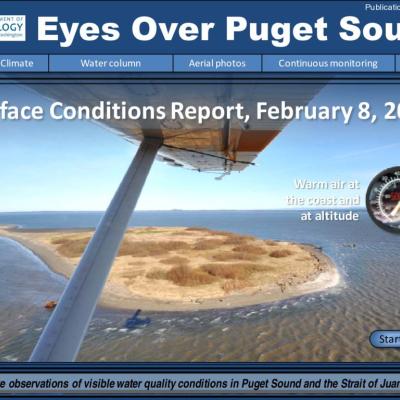
Eyes Over Puget Sound: Surface Conditions Report – February 8, 2016
January air temperatures and precipitation were above normal as El Nino conditions prevail. This winter our snowpack is in much better shape, though we’ve lost some snow from the stint of warm weather. More rain and higher river flows have lowered salinities in Puget Sound and coastal bays. Nonetheless, water temperatures in Puget Sound remain at record-breaking highs. Jellyfish patches are
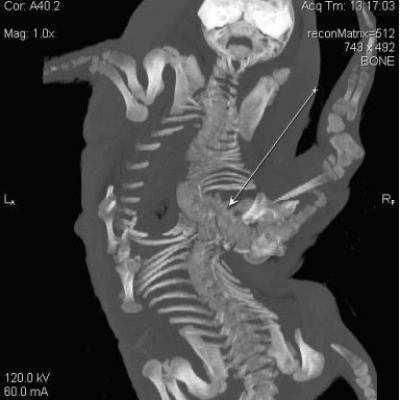
Conjoined fetal twins in a harbor seal (Phoca vitulina)
This article describes the first known case of conjoined twins in a harbor seal. The case was documented in the Salish Sea region where harbor seals are often used as indicators of contaminant levels. However, researchers say their findings do not support that this anomaly was due to any common contaminants and hypothesize that the twinning was caused by disordered embryo migration and fusion.
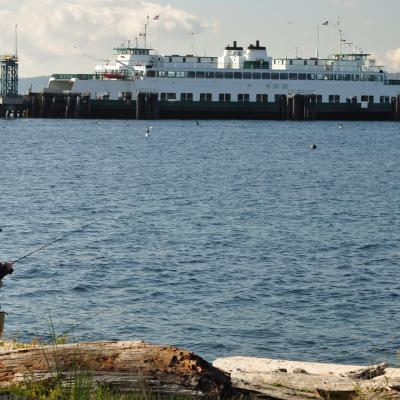
Human dimensions
This content initiates a description of the social dimensions of the Puget Sound system with a short list of facts about population growth trends, how humans interact with and depend on the Puget Sound ecosystem for their wellbeing (in the broadest sense), and the large-scale policies and individual human activities that have the greatest potential impact on the Puget Sound ecosystem.
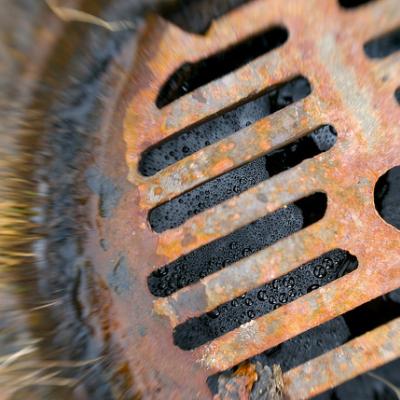
Stormwater facts
Runoff from rain and melting snow is one of the leading causes of pollution in Puget Sound. Here are selected facts related to stormwater, its prevalence, how it affects the Puget Sound ecosystem, and its environmental and economic impacts.
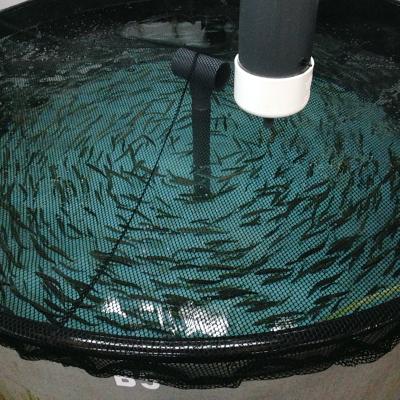
Disease in herring threatens broader food web
Pacific herring have long been considered an essential part of the Puget Sound food web. Now, studies are beginning to reveal how diseases in herring could be reverberating through the ecosystem, affecting creatures large and small. We continue our coverage of the ecological impacts of disease in Puget Sound with this look at the region's most well-known forage fish.
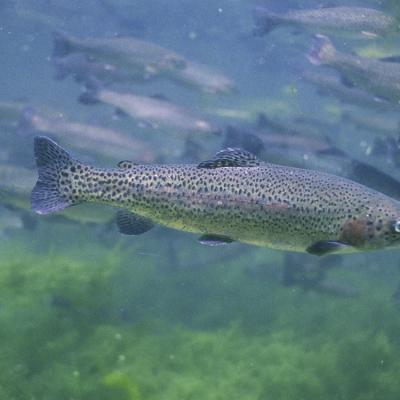
Are diseases playing a role in salmon decline?
Chinook, coho and steelhead populations in Puget Sound have declined dramatically over the past 30 years. In some cases, counts of fish returning to the rivers are just a tenth what they were in the 1980s. While many possible causes of this decline are under consideration, some researchers are focusing on the combined effects of predators and disease. This article continues our coverage of the
Concerns rise over potential impacts of disease on the ecosystem
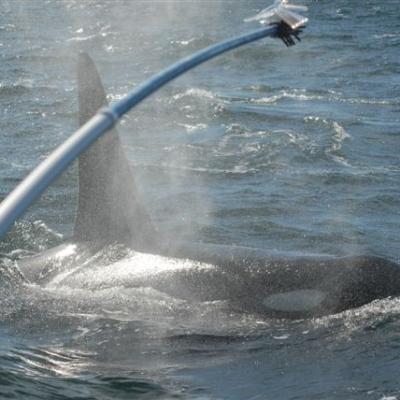
From orcas to starfish to humans, disease affects every living creature in the ecosystem. Scientists are increasingly alarmed by its potential to devastate already compromised populations of species in Puget Sound.
Evaluating threats in multinational marine ecosystems: A Coast Salish first nations and tribal perspective
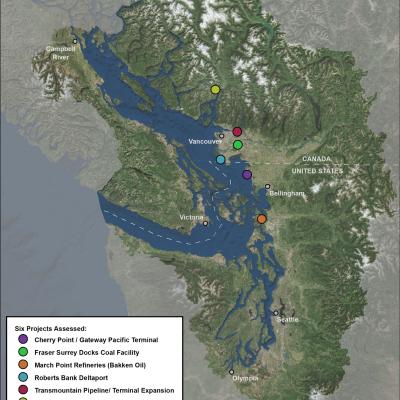
A 2015 paper in the journal PLoS ONE identifies ongoing and proposed energy-related development projects that will increase marine vessel traffic in the Salish Sea. It evaluates the threats each project poses to natural resources important to Coast Salish first nations and tribes.