Sewage and fecal pollution

In Puget Sound, fecal pollution comes from both point-source origins such as combined sewer overflows and direct marine effluent discharge as well as non point-source origins such as surface water runoff, both of which increase with rainfall and river and stream discharge. In addition to serving as an indicator of pathogens, fecal bacterial pollution can also be an indicator of nutrient loading because sewage often contains high levels of nitrogen and phosphorous. Both point source (failing septic systems) and non-point sources (landscape features) contribute to fecal bacterial levels in Puget Sound. 

Source: Puget Sound Science Review

Overview

Fecal bacteria are found in the feces of humans and other homeothermic animals. They are monitored in recreational waters because they are good indicators of harmful pathogens that are more difficult to measure. 
Related Articles

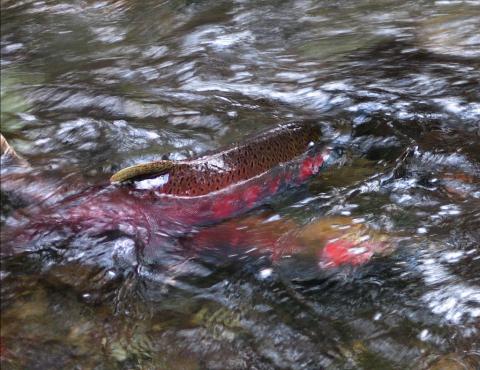
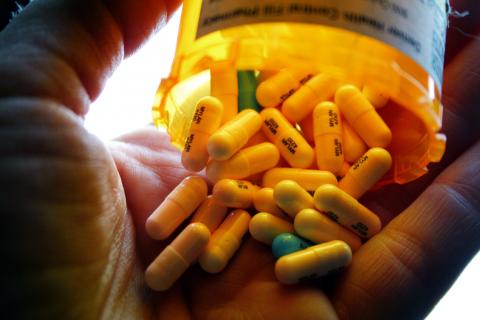
Drugs like Prozac and cocaine have been showing up in the region’s salmon. But these are just some of the potentially thousands of different man-made chemicals that escape into the Salish Sea every day, from pharmaceuticals to industrial compounds. Now the race is on to identify which ones pose the greatest dangers.

The Puget Sound Ecosystem Monitoring Program released its fifth annual Marine Waters Overview this week. The report provides an assessment of marine conditions for the year 2015 and includes updates on water quality as well as status reports for select plankton, seabirds, fish and marine mammals.

A 2016 paper in Environmental Pollution identifies dozens of pharmaceuticals and other compounds that are accumulating in Puget Sound fish such as salmon.

Lake Washington was heavily contaminated by untreated sewage until extensive pollution controls by the city of Seattle. 

Contaminants of Emerging Concern (CECs) range from pharmaceuticals, personal care products and food additives to compounds used in industrial and commercial applications. These compounds are not typically removed from wastewater and are flushed into waterways throughout the world in significant amounts. This article describes how scientists are measuring the presence of these contaminants along with their potential impacts in Puget Sound, the Columbia River and elsewhere.

New research presented at the 2014 Salish Sea Ecosystem Conference shows that some of the greatest dangers to Puget Sound marine life come from our common, everyday activities. These pervasive sources of pollution are so woven into our lives that they are almost invisible to us, but it’s becoming impossible to ignore their effects.