Fishes

Find content specifically related to fishes of the Puget Sound and Salish Sea ecosystems. For checklists and descriptive accounts of individual species, visit our species library. The Encyclopedia of Puget Sound will also be creating additional pages and sections related to salmon recovery in the region. For a general overview of salmonids, visit the Encyclopedia's Puget Sound Science Review.

Additional resources:

Washington Department of Fish and Wildlife salmon stocks and escapement data

SalmonScape

Related Articles

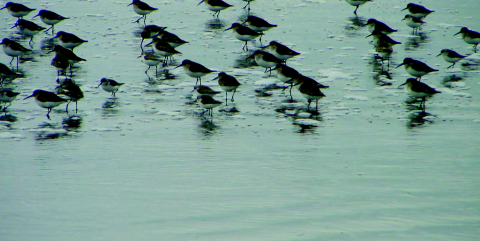
Puget Sound hosts more than 100 species of seabirds, 200 species of fish, 15 marine mammal species, hundreds of plant species, and thousands of invertebrate species. These species do not exist in isolation, but rather interact with each other in a variety of ways: they eat and are eaten by each other; they serve as vectors of disease or toxins; they are parasitic; and they compete with each other for food, habitat, and other resources.

A variety of animals, including invertebrates, fish, mammals, and birds, consume the suspension-feeders, filter-feeders, grazers, and detritivores that serve as a link between the primary producers and detrital pathways and the upper levels of the food web.

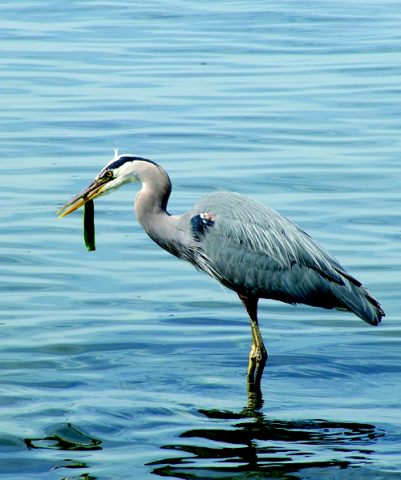
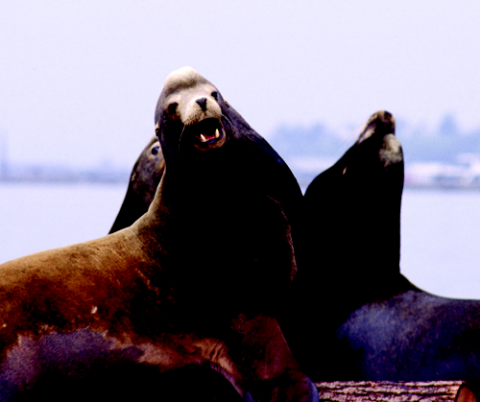
Fishes, birds, and mammals (including humans) serve as top-level carnivores in the Puget Sound ecosystem. With the exception of humans, these organisms have a diet that consists almost entirely of fish or other vertebrates.

Non-native species are those that do not naturally occur in an ecosystem. A non-native species is considered invasive when it is capable of aggressively establishing itself and causing environmental damage to an ecosystem. Plants, animals, and pathogens all can be invasive.