

Find content specifically related to mammals of the Puget Sound and Salish Sea ecosystems. For checklists and descriptive accounts of individual species, visit our species library.
Additional resources:
Find content specifically related to mammals of the Puget Sound and Salish Sea ecosystems. For checklists and descriptive accounts of individual species, visit our species library.
Additional resources:
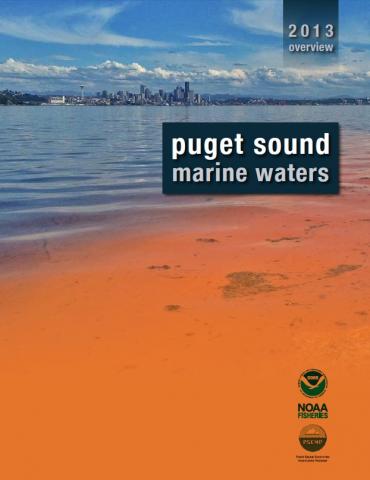
A report from the Puget Sound Ecosystem Monitoring Program provides an overview of 2013 marine water quality and conditions in Puget Sound from comprehensive monitoring and observing programs.

Scientists say Puget Sound’s salmon are dying young and point to low growth rates in the marine environment as a possible cause. In part one of this two-part series, scientists consider threats facing young salmon in the open waters of Puget Sound.

Scientists say eelgrass, an unassuming flowering plant found just off shore in Puget Sound, is vital to the health of the ecosystem. They also say the plant is declining. New and increasingly urgent efforts to restore it brought a group of researchers to the 2014 Salish Sea Ecosystem Conference.
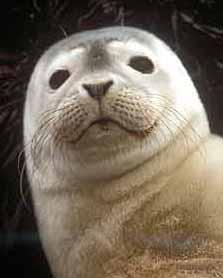
A 2014 article in the journal Northwestern Naturalist shows how Harbor Seal tissues can reflect regional and temporal trends in contaminants in Puget Sound.
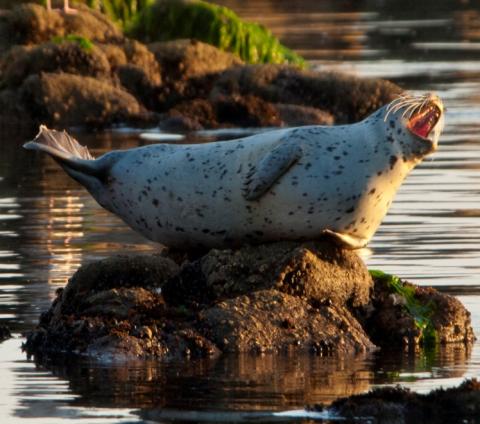
Harbor seals (Phoca vitulina) are the most commonly seen marine mammals in the Salish Sea and can be found throughout the region year round. They have been intensively studied within the Salish Sea and this species profile provides an overview of what is known about them. It was produced for the Encyclopedia of Puget Sound by the SeaDoc Society.
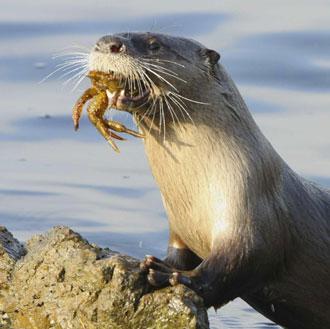
A 2014 paper in the journal Aquatic Mammals examines coastal river otter predation on rockfish at three islands in the Salish Sea.