

Find content specifically related to mammals of the Puget Sound and Salish Sea ecosystems. For checklists and descriptive accounts of individual species, visit our species library.
Additional resources:
Find content specifically related to mammals of the Puget Sound and Salish Sea ecosystems. For checklists and descriptive accounts of individual species, visit our species library.
Additional resources:
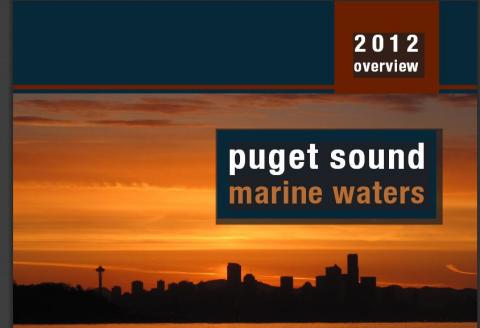
The Puget Sound Marine Waters 2012 Overview from the Puget Sound Ecosystem Monitoring Program synthesizes conditions measured in 2012 and has been expanded to include observations on seabirds that rely on marine waters. Read an excerpt below, or download the full report.
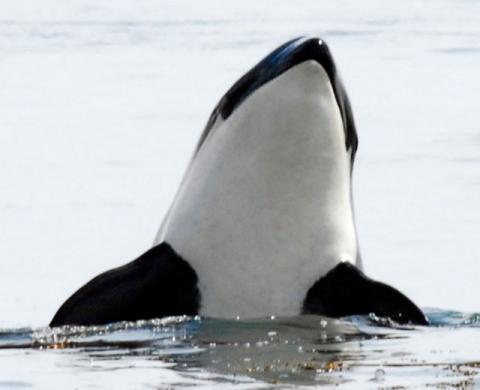
The U.S. Environmental Protection Agency Region 10 and the National Marine Fisheries Service Northwest Region have released a report describing results from a series of technical workgroups about the potential effects of polybrominated diphenyl ethers (PBDEs) on Puget Sound and Southern Resident killer whales.
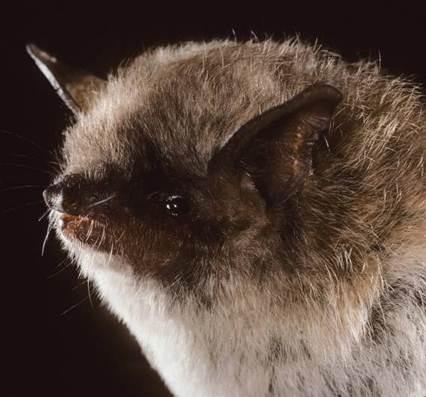
This article originally appeared in the State of Washington Bat Conservation Plan. Further information is available from the Washington Department of Fish and Wildlife.
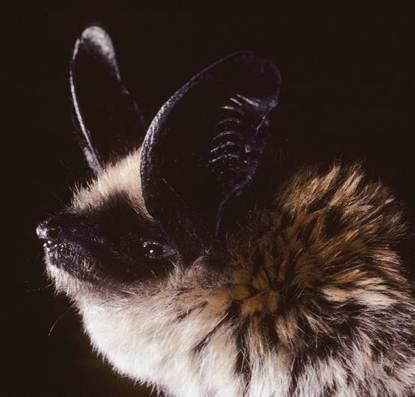
This article originally appeared in the State of Washington Bat Conservation Plan. Further information is available from the Washington Department of Fish and Wildlife.
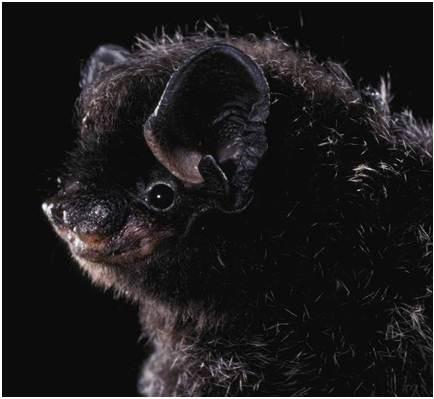
This article originally appeared in the State of Washington Bat Conservation Plan. Further information is available from the Washington Department of Fish and Wildlife.