

All Articles
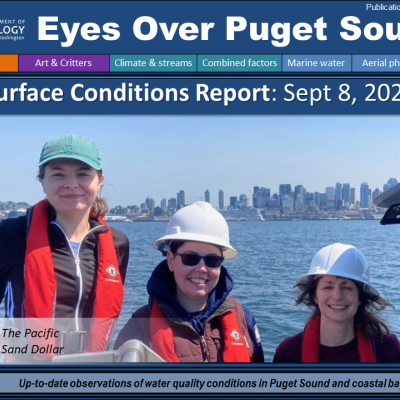
Eyes Over Puget Sound: Surface Conditions Report - September 8, 2021
This summer river flows were generally lower than in 2020. And in August, high air temperatures and low precipitation continued, following a drought emergency declaration in mid-July that affected also marine conditions. The higher-than-normal salinity anomaly which persisted during summer in Puget Sound marine water is, however, eroding away, and lower-than-normal oxygen conditions developed in
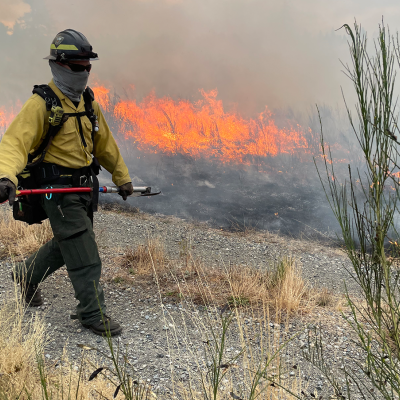
Controlled burn in Puget Sound prairie habitat
Raging wildfires can be an ecological disaster, especially as the planet warms due to climate change. But in small doses, some wildfires are actually beneficial. In prairie habitats, fires can enrich soils and maintain native plant species. In late September, state wildlife biologists oversaw several controlled burns near Joint Base Lewis-McChord (JBLM) as part of an effort to preserve habitat for
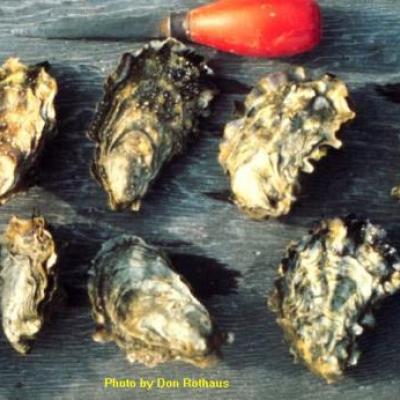
Regional perspectives on the effectiveness of Puget Sound shellfish recovery actions
A 2021 report commissioned by the Washington State Department of Natural Resources identifies potential actions at the state or local level, or in combination, that could further bolster shellfish bed recovery in support of the Puget Sound Partnership's shellfish bed recovery target.
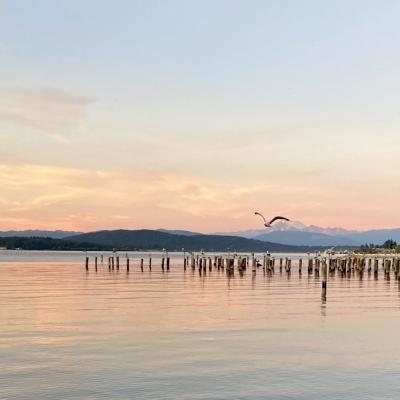
Social Science for the Salish Sea
Social Science for the Salish Sea (S4) provides a foundation for future research projects, accessible information for planning or management decisions, and synthesized content to inform ecosystem recovery.
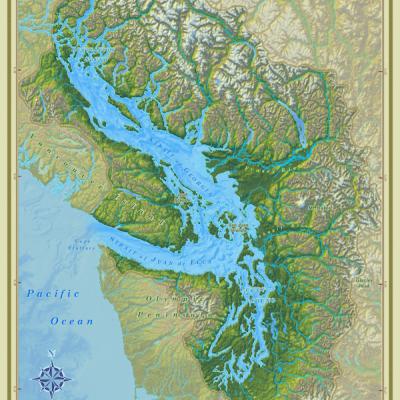
Salish Sea survey: Geographic literacy enhancing natural resource management
An article published in the journal Society & Natural Resources in 2021 describes the results of a geographic literacy survey which shows residents of Washington and British Columbia are largely unfamiliar with the name Salish Sea. The authors discuss the implications of their findings for ecosystem recovery of the region.
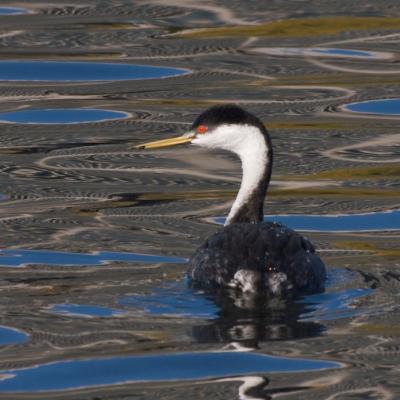
Effects of season, location, species, and sex on body weight and blood chemistry in free-ranging grebes
An article published in the Journal of Avian Medicine and Surgery in 2021 describes the results of study comparing the effects of season, location, species, and sex on body weight and blood chemistry for free-ranging western and Clark's grebes.
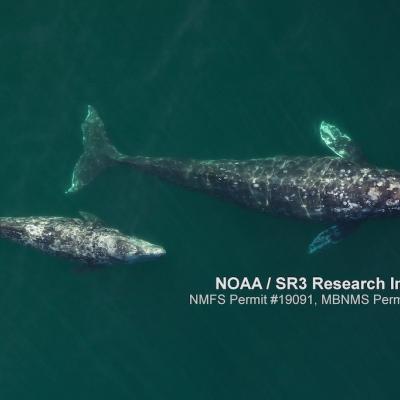
Biomarkers update insights on reproductive physiology of gray whales
An article published in PLoS ONE in 2021 describes a study of hormone concentrations in gray whales. The findings may contribute to increased knowledge of reproductive physiology and population dynamics among the species.
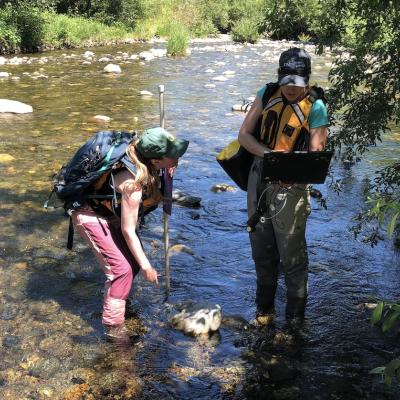
Taking the temperature of salmon
Warming waters threaten the recovery of salmon in Puget Sound. New findings about stream temperature could help salmon survive the threats of climate change.
Nooksack River Transboundary Technical Collaboration Group 2020-2021 annual report
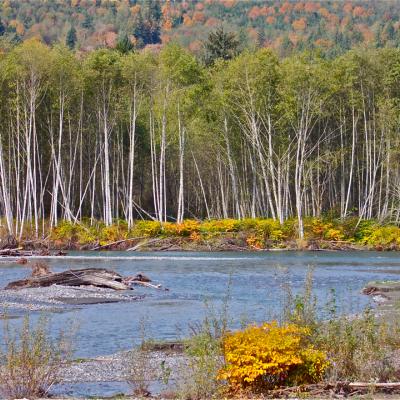
The Nooksack River watershed spans part of the border between British Columbia and the State of Washington. In August 2018, the international, multi-agency Nooksack River Transboundary Technical Collaboration Group (TCG) was established to implement a three-year work plan to reduce fecal bacteria concentrations in the Nooksack River watershed. The 2020-2021 TCG annual report summarizes third and
Solitary minke whales lurk in the waters of Puget Sound
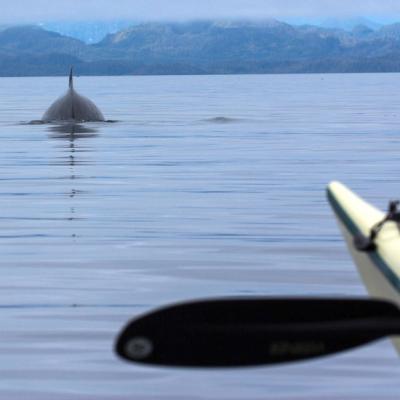
A resident population of minke whales is catching the attention of scientists who want to learn if the elusive mammals are found here year-round. While small compared to their cousins the blue whales, minkes are still among the largest creatures in the Salish Sea.