

All Articles
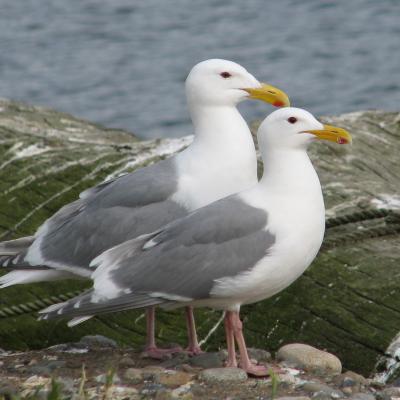
Daily and annual habitat use and habitat-to-habitat movement by Glaucous-winged Gulls at Protection Island, Washington
A 2017 paper in the journal Northwestern Naturalist looks at distribution patterns for Glaucous-winged Gulls across associated habitats in the Salish Sea.
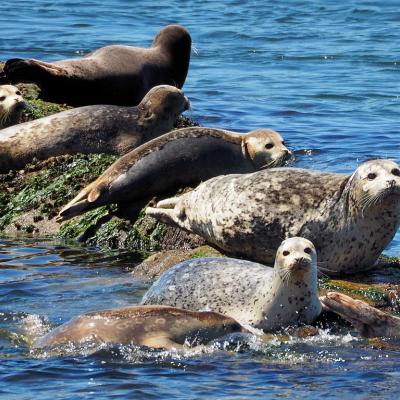
Study would explore changes to protections for seals and sea lions
As wildlife managers work to recover Puget Sound’s diminished Chinook population, a proposed white paper is expected to review the impacts of some of the salmon's chief predators. The study would include a section on potential management of seals and sea lions, prompting open discussion of a long taboo subject: Could officials seek to revise the Marine Mammal Protection Act — or even conduct
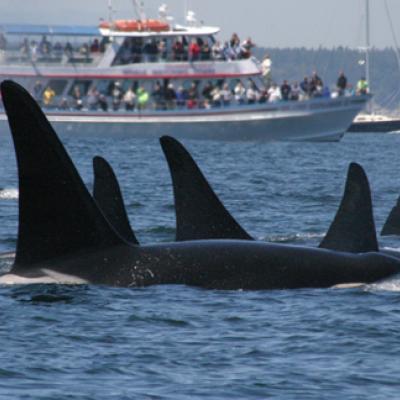
Soundwatch: Eighteen years of monitoring whale watch vessel activities in the Salish Sea
A December 2017 article in the journal PLOS One reports that incidents and violations among whale watching vessels have increased in the Central Salish Sea since 1998.
2017 Addendum — Ocean Acidification: From Knowledge to Action
The Washington Marine Resources Advisory Council has released an addendum to the 2012 report Ocean Acidification: From Knowledge to Action. The original report established a statewide strategy for addressing ocean acidification in Washington. The addendum identifies updates based on emerging science and management practices and is intended to be a companion to the 2012 report.
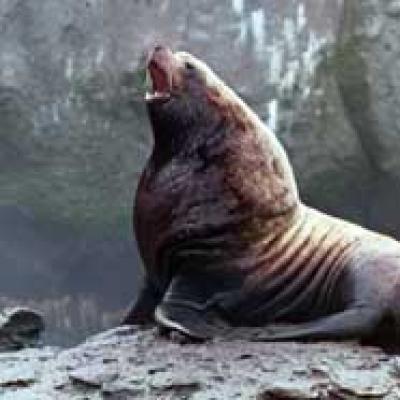
Year-round algal toxin exposure in free-ranging sea lions
Sea lions living along the coast of Washington are at risk from harmful algal blooms throughout the year, according to a 2017 study published in the Marine Ecology Progress Series.
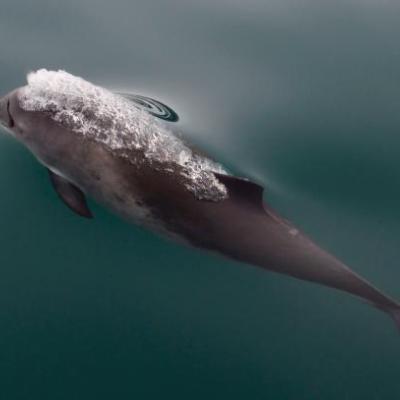
Group characteristics, site fidelity, and photo-identification of harbor porpoises, Phocoena phocoena, in Burrows Pass, Fidalgo Island, Washington
A 2017 paper in the journal Marine Mammal Science examines harbor porpoise group structure and site fidelity in the Salish Sea.
2016 Puget Sound Marine Waters Overview
The Puget Sound Ecosystem Monitoring Program has released its sixth annual Marine Waters Overview. The report provides an assessment of marine conditions for the year 2016 and includes updates on water quality as well as status reports for select plankton, seabirds and fish.
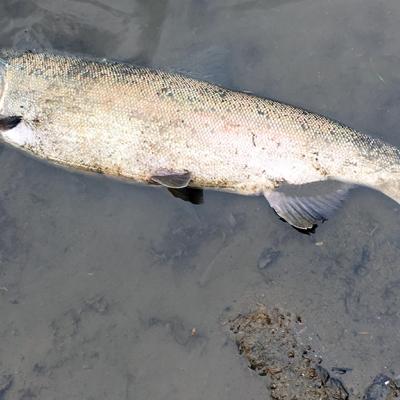
What is killing the coho?
Researchers are trying to determine which chemicals in stormwater are contributing to the deaths of large numbers of coho salmon in Puget Sound. It has prompted a larger question: What exactly is in stormwater, anyway?
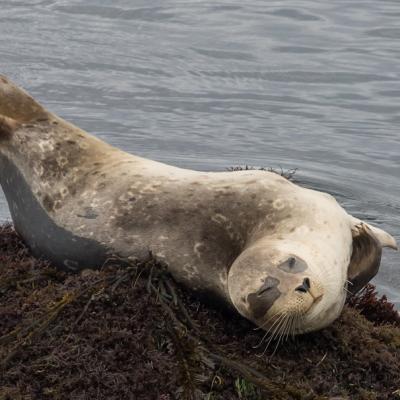
Influence of human exposure on the anti-predator response of harbor seals (Phoca vitulina)
A 2017 paper in the journal Aquatic Mammals reports that harbor seals in the Salish Sea are less concerned about predators when they become habituated to humans.
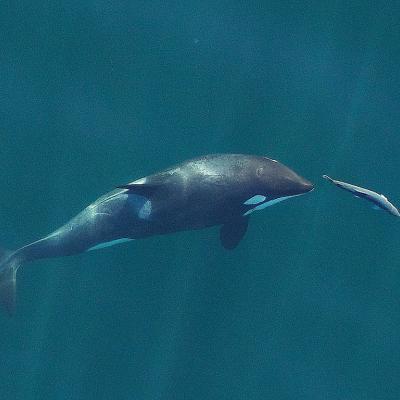
Seals and sea lions may be slowing salmon recovery, hurting orcas
Increased consumption of Chinook salmon by seals and sea lions in the Salish Sea “could be masking the success of coastwide salmon recovery efforts,” according to a new study published in the journal Scientific Reports. Endangered resident orcas are said to be declining in part due to a lack of available Chinook, the orcas' preferred prey.