All Articles
PCBs in fish remain steady while other toxics decline
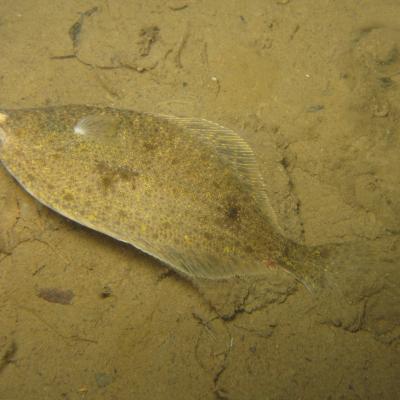
A new study shows a surprising decline in some toxic chemicals in Puget Sound fish, while levels of PCBs increased in some cases. Scientists say the study shows that banning toxic chemicals can work, but old contaminants remain a challenge as they continue to wash into Puget Sound.
Monitoring helps to reveal hidden dangers in the food web
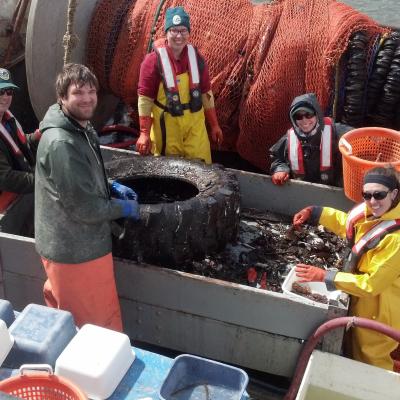
Toxic chemicals have been showing up in Puget Sound fish for more than a century, but consistent testing over the past 30 years has helped to reveal some unusual patterns of pollution.
2016 Salish Sea Ecosystem Conference
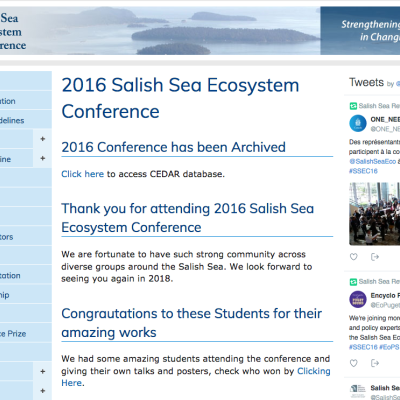
The 2016 Salish Sea Ecosystem Conference took place April 13-15 at the Westin Bayshore in Vancouver BC. Over 1100 scientists and policy experts attended.
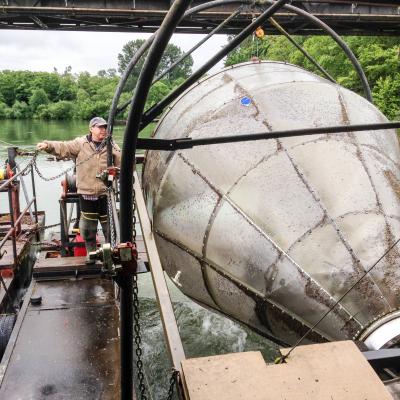
Are we making progress on salmon recovery?
In recent decades, hundreds of millions of dollars have been spent to restore habitat for Puget Sound salmon. In this article, we look at how scientists are gauging their progress. Are environmental conditions improving or getting worse? The answer may depend on where you look and who you ask.
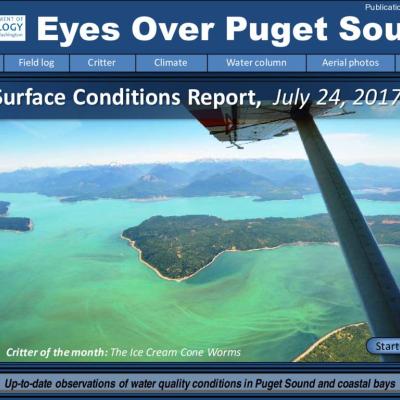
Eyes Over Puget Sound: Surface Conditions Report – July 24, 2017
July had warm air temperatures, sunshine, and an abundant snowpack. Previous months had higher river flows (bringing freshwater) and weak upwelling (low delivery of saltier water) which resulted in very low salinities in Puget Sound, especially in the South Sound. Water temperatures are expected and warmer in Central Sound. Above normal sunshine has made Puget Sound biologically very active
State of the salmon in watersheds 2016
A biennial report produced by the Governor's Salmon Recovery Office provides stories and data about salmon, habitat, and salmon recovery in Washington, including Puget Sound.
The pelagic (open water) food web
The marine habitat of Puget Sound can be divided up into nearshore, benthic (associated with the sea floor), and pelagic (open water) habitats. This article focuses on the pelagic habitat within the Puget Sound. This article was prepared as part of the 2015 Puget Sound Fact Book produced by the University of Washington Puget Sound Institute.
The nearshore food web: Detritus
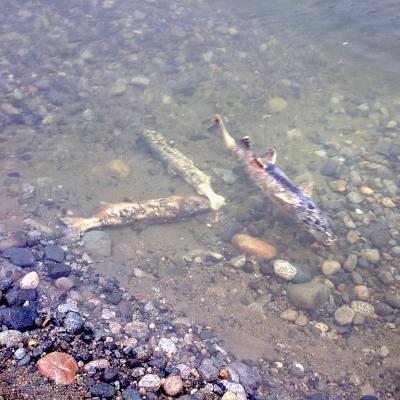
Detritus, or dying or decaying matter, is a central component of the nearshore food web in Puget Sound. This article was prepared as part of the Puget Sound Fact Book produced by the University of Washington Puget Sound Institute.
Kitsap Regional Shoreline Restoration Program final report
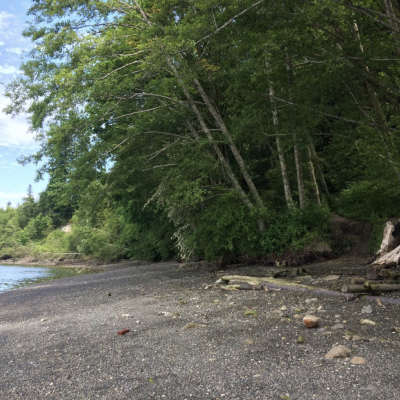
The Kitsap Regional Shoreline Restoration Program is an effort to protect and restore the Puget Sound nearshore by supporting willing landowners who wish to remove bulkheads on their shorelines. The Kitsap Regional Shoreline Restoration Program was funded by Environmental Protection Agency’s (EPA) Puget Sound Watershed Assistance Program, Grant #PO-00J08501-0.