

All Articles
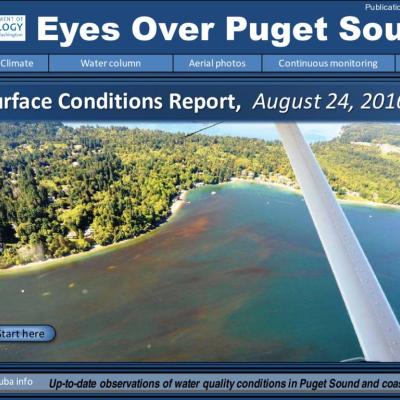
Eyes Over Puget Sound: Surface Conditions Report – August 24, 2016
In July, conditions were normalizing, yet river flows remained lower, continuing into August. July also saw lower oxygen appearing in southern Puget Sound. By August, jellyfish are occurring in high numbers in Eld and Budd Inlet. South Puget Sound has Noctiluca drifting at the surface in large orange lines in many places and red-brown blooms widespread in finger inlets, as well as in Sinclair
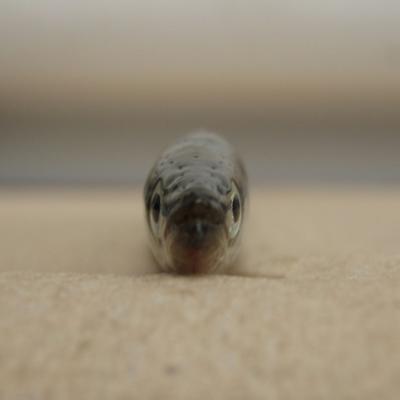
The secret lives of forage fish: Where do they go when we aren’t looking?
Some of the most important fish in the Salish Sea food web are also the most mysterious. Researchers have only begun to understand how many there are, where they go, and how we can preserve their populations for the future. A University of Washington researcher describes how scientists are looking into the problem.
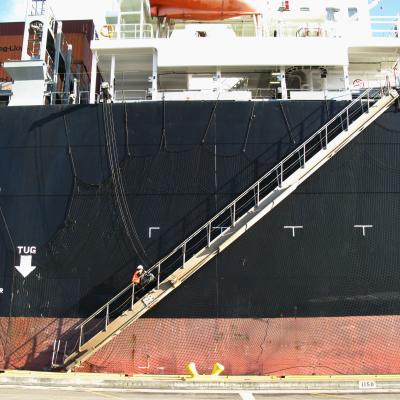
Invasive stowaways threaten Puget Sound ecosystem
Gaps in regulations could allow invasive species to hitch a ride on ships and boats. We report on some of the potential impacts, and how state and federal agencies are trying to solve the problem.
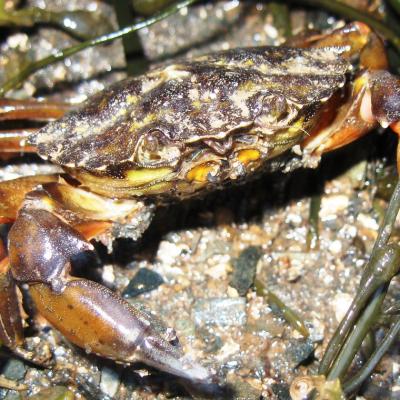
Green crabs could impair Puget Sound shellfish operations
Concerns over the potential arrival of the European green crab have inspired a small army of volunteers. A search is underway for early signs of an invasion.
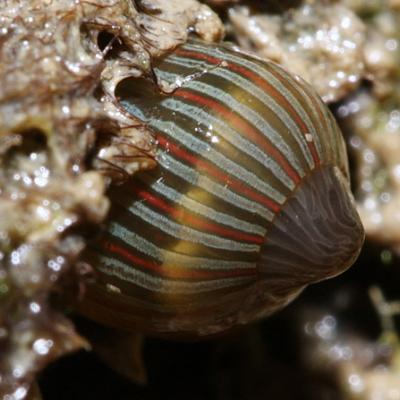
Building a baseline of invasive species in Puget Sound
Almost twenty years ago, volunteer biologists began an intensive survey for invasive species in the marine waters of Puget Sound. In a little over a week of hunting, they found 39 such species, including 11 never before seen in the region.
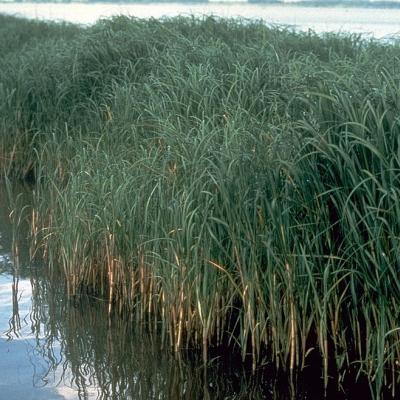
Invasive marine species: Washington state priorities
The Washington Invasive Species Council evaluated more than 700 invasive species in and around Washington, considering their threats to the state’s environment, economy, and human health. They included terrestrial plants and animals, aquatic plants and animals (both freshwater and saltwater), insects and diseases. In the end, the council listed 50 “priority species” for action, including five
A review of Puget Sound marine and nearshore grant program results, Part 2
A July 2016 report from the University of Washington Puget Sound Institute summarizes and reviews 10 EPA-funded projects focusing on Puget Sound's marine and nearshore environments. The projects were conducted between 2011-2015 with support from the EPA's National Estuary Program. The report is an analysis of findings on invasive species, toxics, oil spill, and integrated risk assessment.
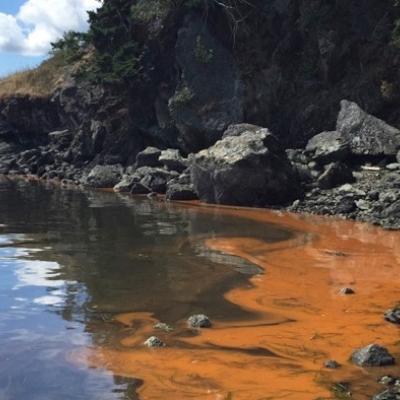
Harmful algal blooms in the Salish Sea
Formerly known as “Red Tide”, harmful algal blooms are a health concern for both wildlife and humans. The following is a brief review of some of these algae and their effects.
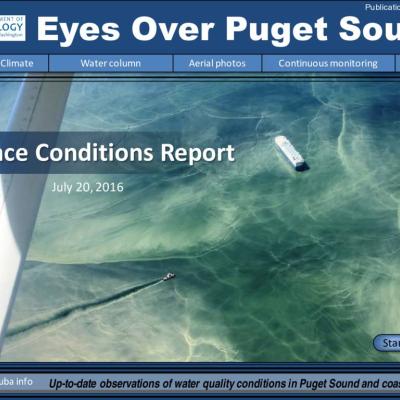
Eyes Over Puget Sound: Surface Conditions Report – July 20, 2016
Through June, air temperatures and sunlight were higher than normal. Recent rain generally improved river flows. However, the Fraser river flow remains extremely low, reducing water exchange with the ocean. Water temperatures are still breaking records, yet dissolved oxygen levels are normal. Coastal bays are influenced by upwelling and exhibit lower oxygen and higher salinities. Puget Sound algae
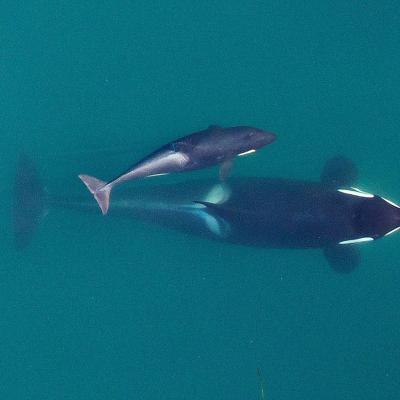
Killer whale miscarriages linked to low food supply
New techniques for studying orcas have been credited with breakthroughs in reproductive and developmental research. Drones and hormone-sniffing dogs are helping scientists connect declines in food supply with low birth rates and poor health. Update: The research described in this 2016 article has now been published in the 6/29/17 issue of the journal PLOS ONE.