

All Articles
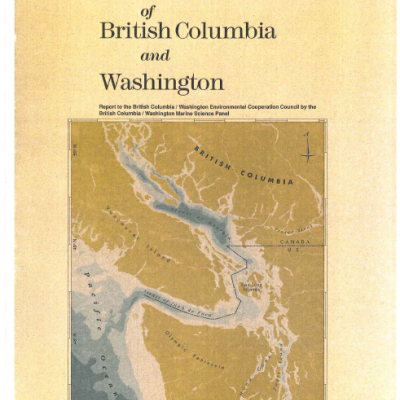
The shared marine waters of British Columbia and Washington
A scientific assessment of current status and future trends in resource abundance and environmental quality in the Strait of Juan de Fuca, Strait of Georgia, and Puget Sound
2008 Estuary and salmon restoration program
This 2008 report highlights the vision and accomplishments of ESRP in advancing an ecosystem restoration strategy in Puget Sound to restore the ecosystem processes that are essential for a self-sustaining coastal ecosystem.
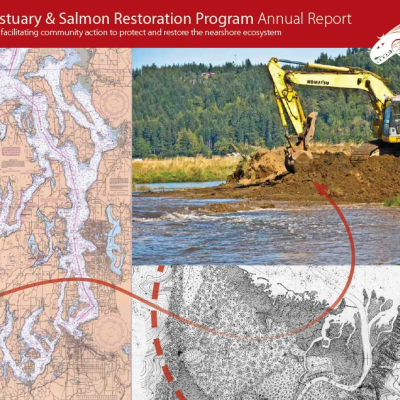
2010 Estuary and salmon restoration program annual report
This report highlights the vision and accomplishments of ESRP in advancing an ecosystem restoration strategy in Puget Sound to restore the ecosystem processes that are essential for a self-sustaining coastal ecosystem.
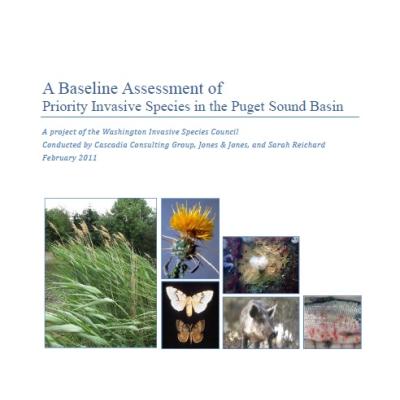
A baseline assessment of priority invasive species in the Puget Sound Basin
The baseline assessment summarizes the status and trends of 15 priority invasive species, as identified by the Washington Invasive Species Council, within the Puget Sound Basin.
Human dimensions of Puget Sound and Washington Coast ecosystem-based management
A workshop report prepared for the Puget Sound Institute and Washington Sea Grant
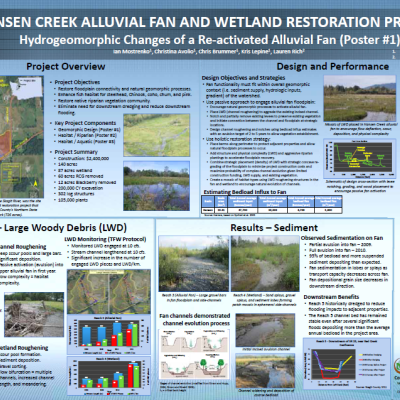
Hansen Creek alluvial fan and wetland restoration project
Habitat restoration was undertaken in 2009-2010 on lower Hansen Creek, Washington. The project converted 140 acres of isolated floodplain into 53 acres of alluvial fan and 87 acres of flow-through wetlands.
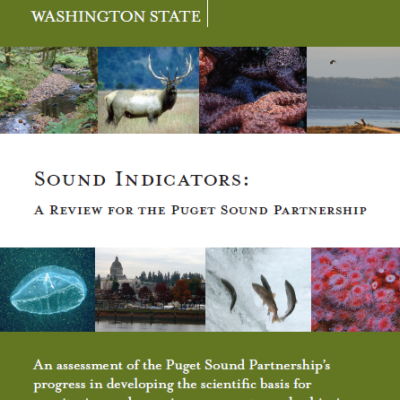
Sound indicators: a review for the Puget Sound Partnership
By the end of 2010, the PSP Science Panel’s efforts had reached the stage where an independent review by the WSAS (Washington State Academy of Sciences) was timely and useful to help guide its future indicator development efforts.
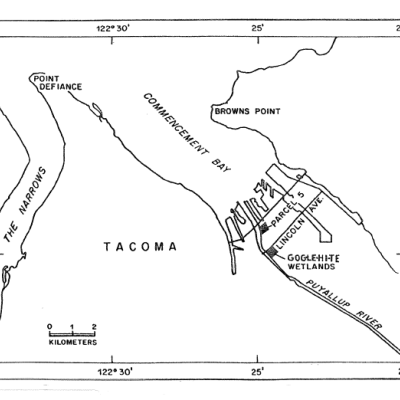
The Gog-Le-Hi-Te Wetland System in the Puyallup River Estuary, Washington: phase V report
The work in 1990, which was the fifth and final year of U.S. Army Corps of Engineers permit-required monitoring, included continued systematic sampling of sedimentation, vegetation, fish, and birds.
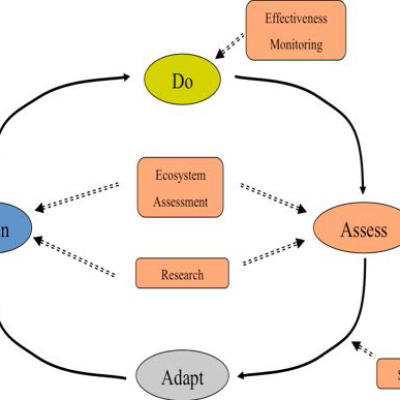
Biennial Science Work Plan for 2009-2011
This 2009-2011 Puget Sound Biennial Science Work Plan details the high-priority science activities required to: support the implementation of the Action Agenda; build capacity to revise and improve future Action Agendas; and enhance the Puget Sound Partnership’s ability to lead the ecosystem protection and restoration effort.
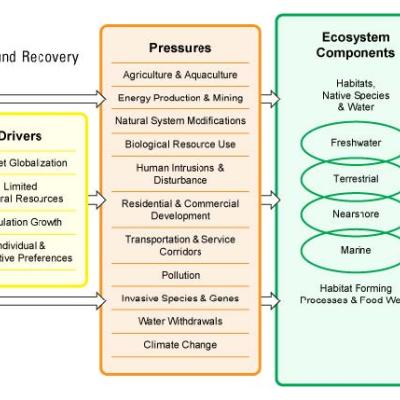
Biennial Science Work Plan for 2011-2013
This report, Priority science for restoring and protecting Puget Sound: a Biennial Science Work Plan for 2011-2013, identifies priority science and monitoring questions needed to coordinate and implement effective recovery and protection strategies for Puget Sound.