All Articles
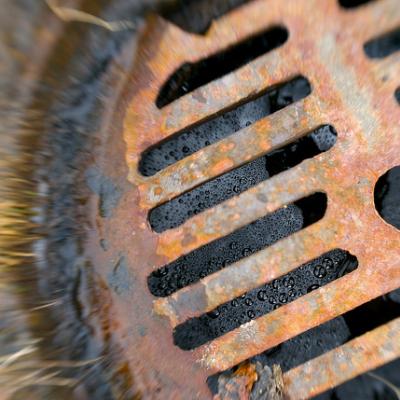
Citizens now the leading cause of toxics in Puget Sound
New research presented at the 2014 Salish Sea Ecosystem Conference shows that some of the greatest dangers to Puget Sound marine life come from our common, everyday activities. These pervasive sources of pollution are so woven into our lives that they are almost invisible to us, but it’s becoming impossible to ignore their effects.
State of the physical, biological and selected fishery resources of Pacific Canadian marine ecosystems in 2013
A summary of environmental conditions in Pacific Canadian Waters and the broader North East Pacific in 2013.
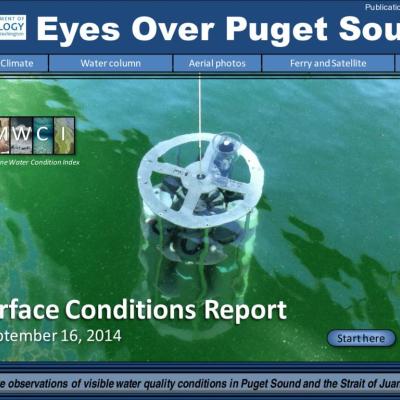
Eyes Over Puget Sound: Surface Conditions Report - September 16, 2014
Sunshine and warmth continue into September. Upwelling is higher, yet low Fraser River flow reduces the likelihood of low-oxygen water moving into Puget Sound. Dissolved oxygen remains relatively high in Hood Canal and is lower elsewhere. Satellites show relatively warm water in the Strait of Georgia and Whidbey Basin and an extensive offshore bloom. Water temperatures also remain high in South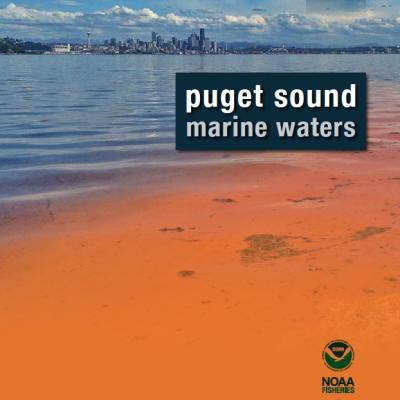
2013 Puget Sound Marine Waters Overview
A report from the Puget Sound Ecosystem Monitoring Program provides an overview of 2013 marine water quality and conditions in Puget Sound from comprehensive monitoring and observing programs.
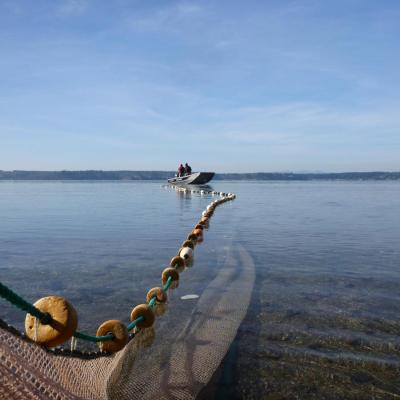
No salmon left behind: The importance of early growth and freshwater restoration
The growth and survival of young salmon in streams, river deltas and floodplains are seen as crucial pieces of the salmon recovery puzzle. In part two of this two-part series, researchers at the Salish Sea Ecosystem Conference in Seattle say the complexities of the salmon life cycle require new coordination among scientists.
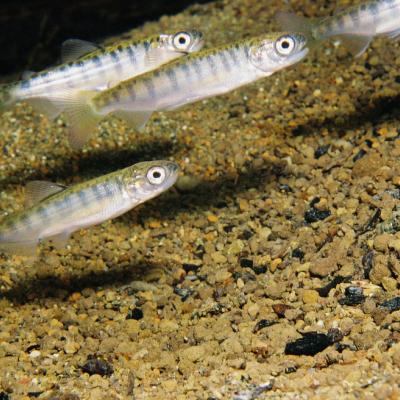
What is killing young salmon in Puget Sound?
Scientists say Puget Sound’s salmon are dying young and point to low growth rates in the marine environment as a possible cause. In part one of this two-part series, scientists consider threats facing young salmon in the open waters of Puget Sound.
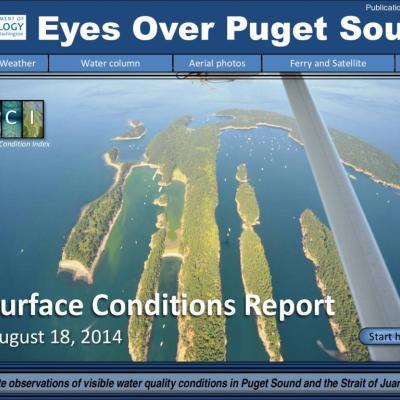
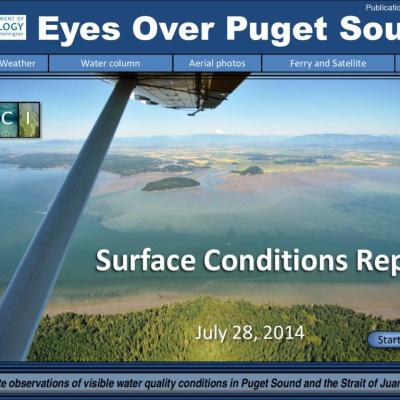
Eyes Over Puget Sound: Surface Conditions Report - August 18, 2014
Sunshine and warm temperatures return after last week’s intense rain. The Puyallup and Nisqually Rivers are flowing high. Red-brown blooms and numerous patches of jellyfish remain strong in South Sound, Sinclair and Dyes Inlets, and Bellingham Bay, with brown-green blooms in Whidbey Basin. Macro-algae surface debris is very high in South and Central Sound. Hood Canal remains cooler but Puget Sound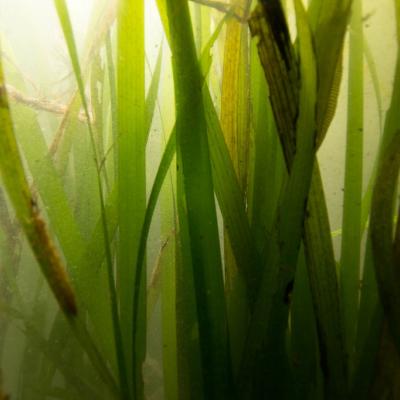
Shedding new light on eelgrass recovery
Scientists say eelgrass, an unassuming flowering plant found just off shore in Puget Sound, is vital to the health of the ecosystem. They also say the plant is declining. New and increasingly urgent efforts to restore it brought a group of researchers to the 2014 Salish Sea Ecosystem Conference.
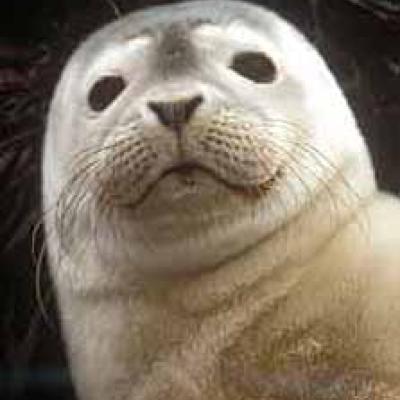
Age, region, and temporal patterns of trace elements measured in stranded harbor seals (Phoca vitulina richardii) from Washington inland waters
A 2014 article in the journal Northwestern Naturalist shows how Harbor Seal tissues can reflect regional and temporal trends in contaminants in Puget Sound.