

All Articles
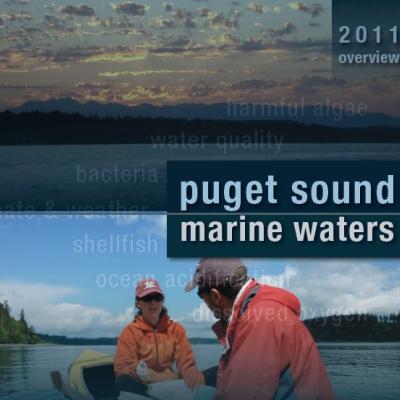
2011 Puget Sound Marine Waters Overview
The Puget Sound Marine Waters 2011 report is now available. The report was produced by the Puget Sound Ecosystem Monitoring Program and assesses the condition and quality of the waters of Puget Sound.
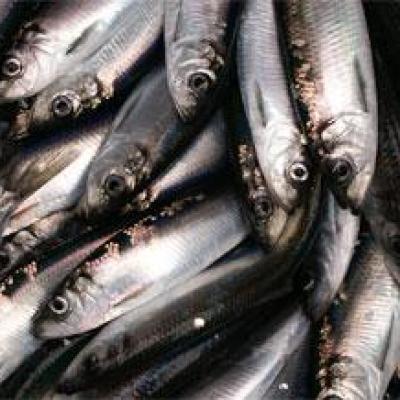
Forage fish in Puget Sound
Forage fish occupy every marine and estuarine nearshore habitat in Washington, and much of the intertidal and shallow subtidal areas of the Puget Sound Basin are used by these species for spawning habitat.
Upper Skagit Tribe
The Upper Skagit tribe includes descendants from 11 villages in the Upper Skagit and Samish watersheds. Although the tribe signed the treaty of Point Elliott, no reservation was established, and members refused to leave the region. Today, the tribe's population is scattered among different towns, including Sedro-Woolley, Mount Vernon, and Newhalem.
Upper Skagit Area of Concern:
The Skagit River
Tulalip Tribes
The Tulalip reservation is located near Marysville, Washington. It was created after the Point Elliott Treaty of 1855, and currently has a population of 2,500 members. The entire tribal population is approximately 4,000 and growing.
Tulalip Tribes Area of Concern:
The Snohomish River basin, part of the region where the Tulalip tribes focus restoration efforts, suffers from extensive shoreline
Swinomish Indian Tribal Community
The Swinomish Indian Tribal Community is descended from Coast Salish people that lived in and around the Skagit and Samish Rivers. Their reservation, about 15 square miles, is located on Fidalgo Island, between Skagit Bay, Padilla Bay, and the Swinomish channel.
Swinomish Area of Concern:
The tribe is focused in the Skagit Watershed (WRIAs 3 and 4), where restoration of tidal and nearshore habitat
Suquamish Tribe
The Suquamish Tribe, whose ancestors have lived in the region for approximately 10,000 years, has 950 enrolled members. About half of them live on the Port Madison reservation, established in 1855 by the treaty of Point Elliott.
Suquamish Tribe Area of Concern:
The tribe works mainly on the Kitsap Peninsula. Kitsap County is the third most densely populated county in Washington, and has no land
Stillaguamish Tribe
The Stillaguamish Tribe is descended from the Stoluck-wa-mish River Tribe, who signed the treaty of Point Elliott in January 1855. Some tribal members moved to the Tulalip reservation, while others remained along the Stillaguamish River. The headquarters for the tribe are in Arlington, Washington.
Stillaguamish Area of Concern:
The Stillaguamish watershed is largely undeveloped, but population
Squaxin Island Tribe
The Squaxin Island tribe is made up of several tribes from Squaxin Island and the surrounding inlets. Although no members of the tribe currently live on Squaxin Island year-round, it unites past and future generations and is still an important destination. The tribal headquarters are located in Kamilche.
Squaxin Island Area of Concern:
Nearly half of the nearshore habitat in south and central
Skokomish Tribe
The Skokomish Tribe began as the Twana Indians, made up of nine communities living in and around the Hood Canal drainage basin.
Skokomish Area of Concern:
The tribe focuses restoration efforts in the Skokomish-Dosewallips basin (WRIA 16). Land use in this basin is concentrated along Hood Canal, since much of the remaining land falls under federal jurisdiction. Expanding development is a concern
Sauk-Suiattle Tribe
The original homeland of the Sauk-Suiattle tribe covered the entire drainage area of the Sauk, Suiattle, and Cascade rivers. A village of eight traditional cedar longhouses at Sauk Prairie was destroyed by settlers in 1884. From a tribe of 4,000 in 1855, numbers dropped until 1924, when only 18 members remained. Currently, the tribe has around 200 members.
Sauk-Suiattle Area of Concern:
The Sauk