All Articles

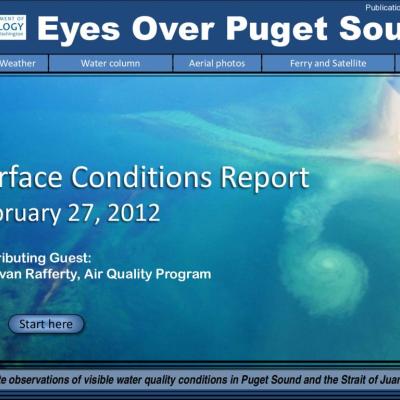
Eyes Over Puget Sound: Surface Conditions Report - May 14, 2012
Warm, sunny weather with higher-than-normal river flows. Temperatures above 13 °C . Strong algal blooms South Sound and Central Basin and most smaller bays. Dissolved oxygen levels in surface waters decrease despite high algae production. Abundant debris lines. Oil sheen in Lake Union.
Water Resource Inventory Areas in Puget Sound
The Washington State Department of Ecology and other state natural resources agencies have divided the Washington into 62 "Water Resource Inventory Areas" or "WRIAs" to delineate the state's major watersheds.

Climate change impacts on water management in the Puget Sound region
Climate change is projected to result, on average, in earlier snowmelt and reduced summer flows, patterns that are not well represented in the historical observations used for planning and reliability analyses by water utilities.

Modern Puget Sound timeline
The Puget Sound region has a long history that has shaped the culture and environment we experience today. View a timeline describing key events in the Puget Sound region dating from Washington statehood to the present.
Marine fecal bacteria
Fecal bacteria are found in the feces of humans and other homeothermic animals. They are monitored in recreational waters because they are good indicators of harmful pathogens that are more difficult to measure.
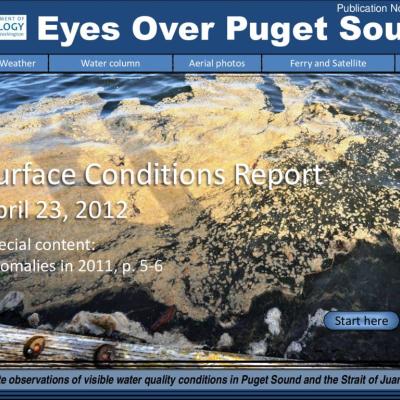
Eyes Over Puget Sound: Surface Conditions Report - April 23, 2012
Warm, sunny weather and higher-than-normal river flows . The freshwater layer in Whidbey Basin increased by 2 m. Abundant surface debris and algae blooms in river-fed inlets in South and Central Sound. Puyallup plume extends into Quartermaster Harbor. New thermosalinograph installed on ferry.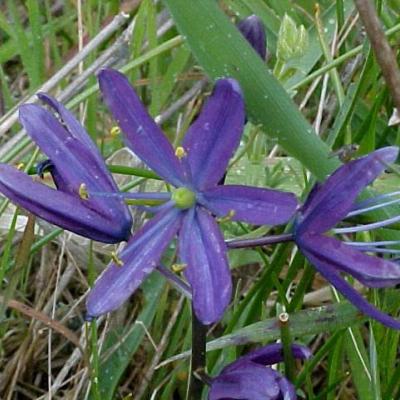
Relic gardens: camas in the San Juan Islands
A botanist believes Coast Salish tribes once favored small islands in the San Juan archipelago for growing camas, an important food staple. Her studies may also show the vulnerability of these relic gardens to climate change as sea levels rise.
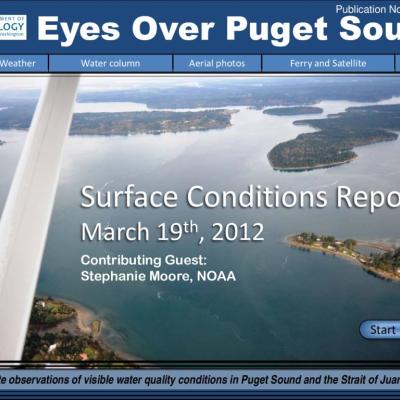
Eyes Over Puget Sound: Surface Conditions Report - March 19, 2012
Cool, wet, cloudy weather with higher-than-normal river flows. Spectacular river plumes, suspended sediment and wind extend far into the waterways. Surface debris abundant. The freshwater layer in Whidbey Basin increased by 2 m matching high precipitation.