Contaminants of emerging concern

Thousands of different compounds are produced and used as part of our daily lives.  Examples include pharmaceuticals (NSAIDs, birth control pills, etc), personal care products (sun screen agents, scents, preservatives, etc), food additives (artificial sweeteners) and compounds used in industrial and commercial applications (flame retardants, antibiotics, etc).  Advances in analytical methods have allowed the detection of many of these compounds in the environment. These compounds are sometimes referred to as contaminants of emerging concern (CECs), and can enter waterways through sources such as filtered wastewater, stormwater and agricultural runoff.  

Overview

Thousands of different compounds are produced and used as part of our daily lives.  Examples include pharmaceuticals (NSAIDs, birth control pills, etc), personal care products (sun screen agents, scents, preservatives, etc), food additives (artificial sweeteners) and compounds used in industrial and commercial applications (flame retardants, antibiotics, etc).  Advances in analytical methods have allowed the detection of many of these compounds in the environment.

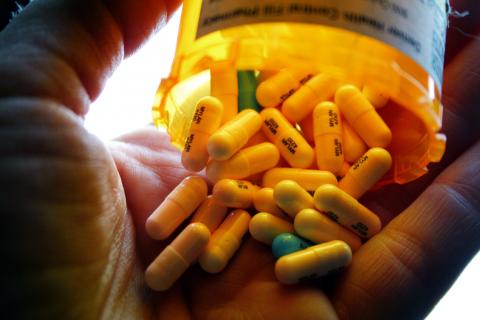
CECs include pharmaceuticals and thousands of other commonly used chemical compounds. Photo courtesy of EPA.

Related Articles

A 2017 report from the Puget Sound Ecosystem Monitoring Program presents an overview of selected recent monitoring and research activities focused on toxic contaminants in the Salish Sea. 

The Puget Sound Ecosystem Monitoring Program (PSEMP) is an independent program established by state and federal statute to monitor environmental conditions in Puget Sound. 

Drugs like Prozac and cocaine have been showing up in the region’s salmon. But these are just some of the potentially thousands of different man-made chemicals that escape into the Salish Sea every day, from pharmaceuticals to industrial compounds. Now the race is on to identify which ones pose the greatest dangers.

Efforts to reduce fire hazards over a half century ago have left an unintended trail of persistent environmental contaminants from flame retardant chemicals known as PBDEs. Bans and substitutes are still evolving.

New federal legislation, approved overwhelmingly by the U.S. Congress in December 2015 and signed into law by President Obama in June 2016, is designed to make sure that people and the environment are not harmed by new and old chemicals on the market.

A 2016 paper in Environmental Pollution identifies dozens of pharmaceuticals and other compounds that are accumulating in Puget Sound fish such as salmon.