Shoreline armoring

Puget Sound’s 2,500 miles of shoreline are among the most valuable and fragile of our natural resources. A dynamic area where land and marine ecosystems meet, the shoreline is constantly changing with the action of wind, waves, tides, and erosion. These same shaping forces are also the reason why people often build bulkheads or other structures to harden the shoreline. Indeed, more than 25% of the shoreline has been armored to protect public and private property, ports and marinas, roads and railways, and other uses.

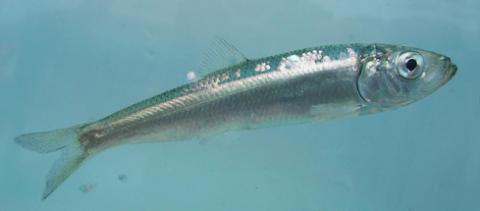
Shoreline armoring, the practice of constructing bulkheads (also known as seawalls) and rock revetments, disrupts the natural process of erosion, which supplies much of the sand and gravel that forms and maintains our beaches. Erosion also creates habitat for herring, surf smelt, salmon, and many other species in Puget Sound. Over time, shoreline armoring may cause once sandy beaches to become rocky and sediment starved, making them inhospitable to many of our native species.

Source: https://pugetsoundestuary.wa.gov/shoreline-armoring/

Overview

New numbers show progress in the state’s efforts to remove shoreline armoring, but they don’t tell the whole story.

Before and after composite view at the site of a 2013 bulkhead-removal project on the shore of Penrose Point State Park in Pierce County. Composite: Kris Symer, PSI; original photos: Kristin Williamson, South Puget Sound Salmon Enhancement Group

Related Articles

The Tulalip reservation is located near Marysville, Washington. It was created after the Point Elliott Treaty of 1855, and currently has a population of 2,500 members. The entire tribal population is approximately 4,000 and growing. 

Tulalip Tribes Area of Concern:

The Snohomish River basin, part of the region where the Tulalip tribes focus restoration efforts, suffers from extensive shoreline armoring and a history of draining and clearing wetland habitat. In order to protect salmon stocks, the tribes closed many of their usual and accustomed fishing areas to Chinook harvest, and have worked to reduce potentially harmful impact of hatchery fish

In the course of building homes, businesses, roads, and infrastructure, the lands and waters of Puget Sound have been drastically modified. Levees, dams, and toxic deposits are obvious and have site-specific impacts. But less obvious are the cumulative changes from human land use activities, such as bulkheads, docks, permanent removal of native vegetation, and loss of native habitat in marine and upland areas. These activities have damaged the underlying processes that form beaches, keep rivers, estuaries, and forests healthy, and support species. Historically, the actions that led to ecosystem degradation were intended to improve the quality of life for Puget Sound residents, but with closed shellfish beds, flooding, species decline, and other impacts it is clear that ecosystem rebuilding efforts are needed.

More then 700 miles of Puget Sound shoreline is considered to be "armored," and as much as four miles of new armoring is added each year.

Puget Sound has over 4,000 km (2,500 miles) of shorelines, ranging from rocky sea cliffs to coastal bluffs and river deltas. The exchange of water, sediment, and nutrients between the land and sea is fundamental to the formation and maintenance of an array of critical habitat types.