In recent decades, hundreds of millions of dollars have been spent to restore habitat for Puget Sound salmon. In this article, we look at how scientists are gauging their progress. Are environmental conditions improving or getting worse? The answer may depend on where you look and who you ask.
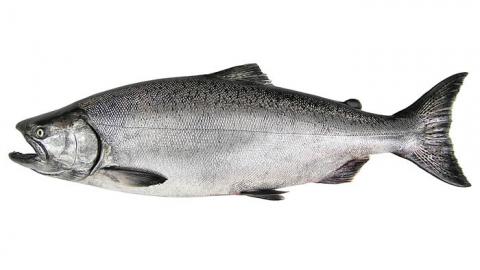
As threatened Chinook populations in Puget Sound continue to lose ground, the state is looking to new strategies to reverse the trend. In the Skagit watershed, the scientists — and the fish — are among those leading the way.
A new study shows that increased populations of seals and sea lions are eating far more of Puget Sound’s threatened chinook than previously known, potentially hampering recovery efforts for both salmon and endangered killer whales.
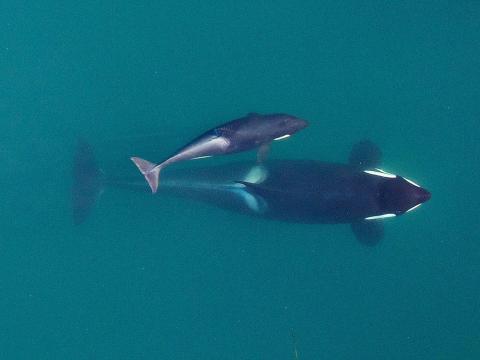
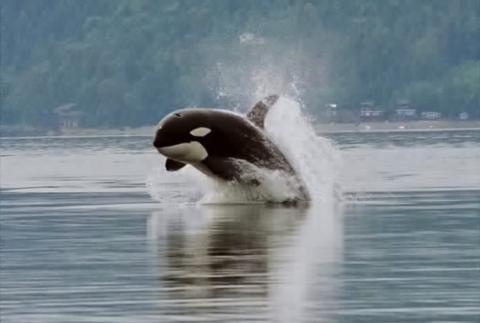
New techniques for studying orcas have been credited with breakthroughs in reproductive and developmental research. Drones and hormone-sniffing dogs are helping scientists connect declines in food supply with low birth rates and poor health. Update: The research described in this 2016 article has now been published in the 6/29/17 issue of the journal PLOS ONE.
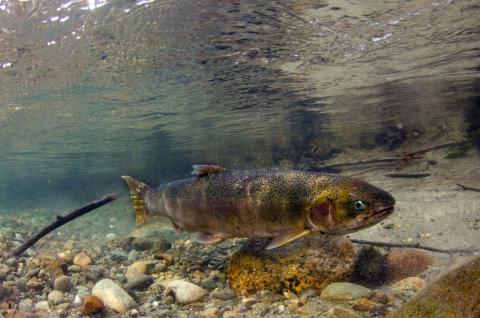
New, smaller acoustic tags will allow scientists to track steelhead migrations in Puget Sound in ways that were once impossible. Will they provide answers to the mysterious decline of these now-threatened fish?
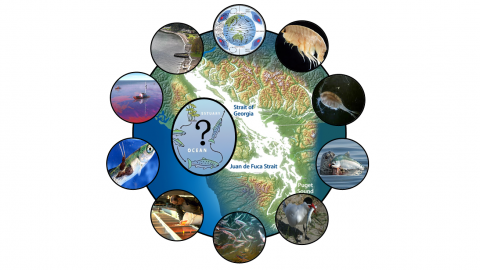
The Salish Sea Marine Survival Project has mobilized dozens of organizations in the U.S. and Canada to find an answer to one of the region's greatest mysteries. What is killing so many young salmon before they can return home to spawn? A series of talks at the 2016 Salish Sea Ecosystem Conference brought together some of the latest research.
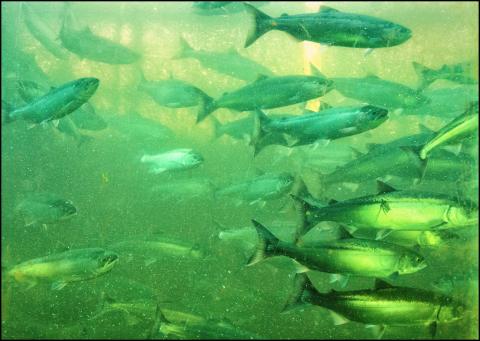
Many of Puget Sound's Chinook salmon spend their entire lives in local waters and don't migrate to the open ocean. These fish tend to collect more contaminants in their bodies because of the sound's relatively high levels of pollution.
Researchers are proposing a shift in thinking about how some of the region’s most damaging pollutants enter Puget Sound species like herring, salmon and orcas.
The number of species of concern in the Salish Sea is growing at an average annual rate of 2.6%, according to a report published in the proceedings of the 2016 Salish Sea Ecosystem Conference in Vancouver, B.C.
Chinook, coho and sockeye salmon, along with steelhead trout, live in the Lake Washington watershed and navigate a treacherous route through the Ballard Locks on their way to Puget Sound.