

Find content specifically related to mammals of the Puget Sound and Salish Sea ecosystems. For checklists and descriptive accounts of individual species, visit our species library.
Additional resources:
Find content specifically related to mammals of the Puget Sound and Salish Sea ecosystems. For checklists and descriptive accounts of individual species, visit our species library.
Additional resources:
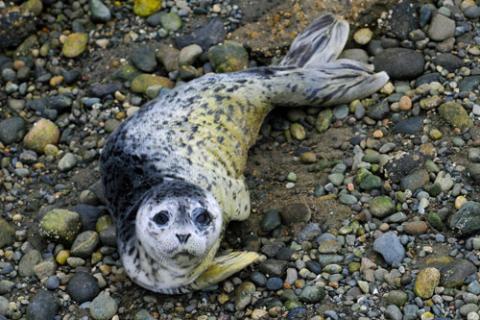
Harbor seal numbers were severely reduced in Puget Sound during the first half of the twentieth century by a state-financed population control program. This bounty program ceased in 1960, and in 1972, harbor seals became protected under the federal Marine Mammal Protection Act and by Washington State.
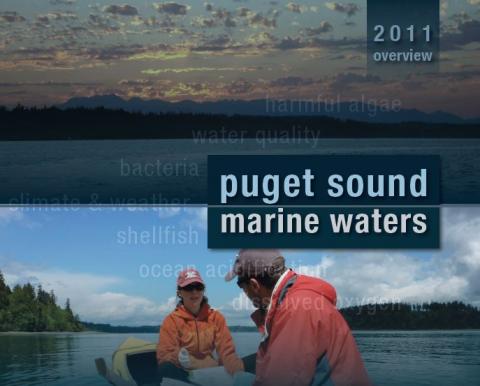
The Puget Sound Marine Waters 2011 report is now available. The report was produced by the Puget Sound Ecosystem Monitoring Program and assesses the condition and quality of the waters of Puget Sound.
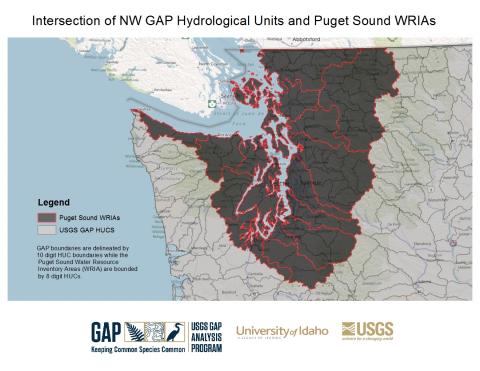
The Encyclopedia of Puget Sound, in cooperation with the USGS, has developed a list of terrestrial vertebrates occurring within the Puget Sound basin.
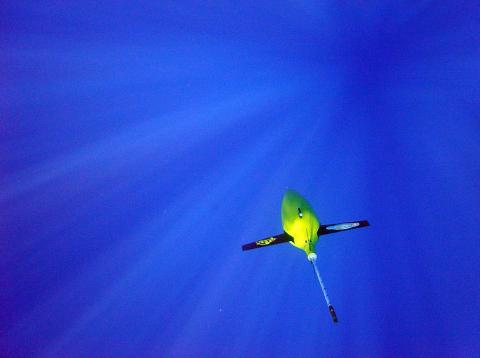
They are sometimes called Autonomous Underwater Vehicles (AUVs), or submersible drones. They glide like airships through the deeper channels of Puget Sound, and have become an important tool for a wide array of open ocean applications, including detection of marine mammals, military reconnaissance and the monitoring of environmental disasters like the Deepwater Horizon oil spill. Puget Sound is the birthplace and key testing area of the Seaglider.
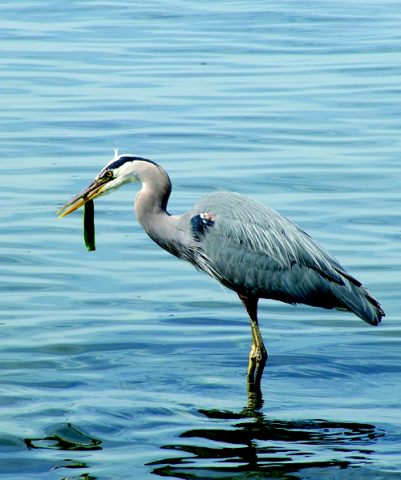
Puget Sound hosts more than 100 species of seabirds, 200 species of fish, 15 marine mammal species, hundreds of plant species, and thousands of invertebrate species. These species do not exist in isolation, but rather interact with each other in a variety of ways: they eat and are eaten by each other; they serve as vectors of disease or toxins; they are parasitic; and they compete with each other for food, habitat, and other resources.
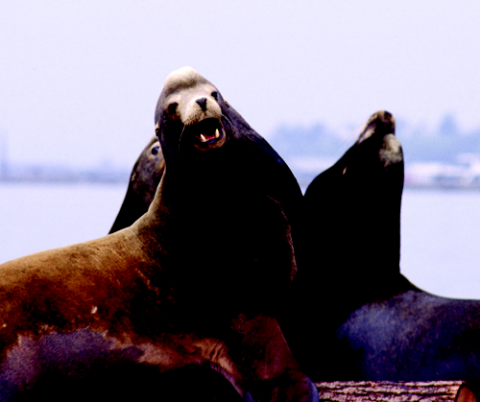
Fishes, birds, and mammals (including humans) serve as top-level carnivores in the Puget Sound ecosystem. With the exception of humans, these organisms have a diet that consists almost entirely of fish or other vertebrates.