

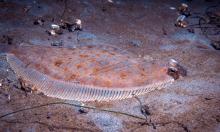
Species: Parophrys vetulus
Encyclopedia of Puget Sound
Articles:
A new study shows a surprising decline in some toxic chemicals in Puget Sound fish, while levels of PCBs increased in some cases. Scientists say the study shows that banning toxic chemicals can work, but old contaminants remain a challenge as they continue to wash into Puget Sound.

Drugs like Prozac and cocaine have been showing up in the region’s salmon. But these are just some of the potentially thousands of different man-made chemicals that escape into the Salish Sea every day, from pharmaceuticals to industrial compounds. Now the race is on to identify which ones pose the greatest dangers.

Contaminants of Emerging Concern (CECs) range from pharmaceuticals, personal care products and food additives to compounds used in industrial and commercial applications. These compounds are not typically removed from wastewater and are flushed into waterways throughout the world in significant amounts. This article describes how scientists are measuring the presence of these contaminants along with their potential impacts in Puget Sound, the Columbia River and elsewhere.
![Sucralose, an artificial sweetener, is a good tracer of wastewater. It is present at low levels throughout the Puget Sound [1].](/sites/default/files/styles/medium/public/topical_article/images/cec_fig1.png?itok=bcOkyFJh "Sucralose, an artificial sweetener, is a good tracer of wastewater. It is present at low levels throughout the Puget Sound [1].")
In 1996 the Washington State Legislature decided that, in order to effectively target protection efforts in the future, it was time to evaluate how well current efforts to protect Puget Sound are working.

This is the Puget Sound Water Quality Action Team’s second report on key indicators of Puget Sound’s health. This report has been prepared in response to the Washington State Legislature’s request to evaluate efforts to protect Puget Sound. This second report includes updated information on the 12 indicators originally presented in 1998 as well as information on five new indicators.
This is the Puget Sound Water Quality Action Team's third report on key indicators of Puget Sound's Health. We prepared the report in response to the Washington State Legislature's request to evaluate efforts to protect Puget Sound. The report includes updated information on the 17 indicators presented in 2000 as well as information on two new indicators.

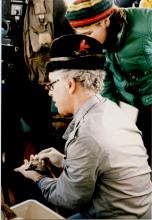
In the 1970s and 1980s, research from a division of NOAA's Montlake Lab suddenly changed the way scientists and the public viewed the health of Puget Sound. Their discovery of industrial toxics in the region's sediment-dwelling fish led to the creation of two Superfund sites, and new approaches to ecosystem management across the Sound. The man at the forefront of this research was Dr. Donald Malins, featured here as part of the Puget Sound Voices series.
This paper looks at 21 years of data on estuarine demersal fish in Puget Sound, assessing changes in population after the closure of bottom trawl fisheries.

Classification
Actinopterygii
Pleuronectiformes
Pleuronectidae
Parophrys
NatureServe
