Social science

Find content related to subjects within the social and economic sciences, such as population dynamics, quality of life, fisheries, culture and history of the Puget Sound and Salish Sea ecosystems.

Overview

Social Science for the Salish Sea (S4) provides a foundation for future research projects, accessible information for planning or management decisions, and synthesized content to inform ecosystem recovery.

Salish Sea with Mt Baker in the background

Related Articles

What do people really mean when they talk about the environment? A new podcast asks regular citizens a simple, but charged question: "What are the environmental challenges that are most important to you?" The answers to that question drive this engaging podcast in sometimes unexpected directions, from the environmental impacts of being homeless, to air quality, to wide-ranging discussions about environmental justice. 

Social scientists at Oregon State University have been analyzing a trove of more than 17,000 public comments sent to the Washington state governor's southern resident orca recovery task force. The researchers have added the comments to a keyword database to look at public emotions and perceptions around the issue of orca declines.

A 2019 report from Oregon State University examines how community members, including non-property owners, value shorelines in Puget Sound. The report emphasizes the impacts of shoreline armoring on survey respondents' sense of place in the region.

Washington and British Columbia residents are largely unfamiliar with the Salish Sea. A recent study conducted by the SeaDoc Society and Oregon State University reveals a need to improve geographic literacy and familiarity with the Salish Sea among those communities who share and live alongside this integrated transboundary ecosystem. This summary was provided by two of the collaborators on the survey, David Trimbach of Oregon State University and Joe Gaydos, Science Director at the SeaDoc Society.

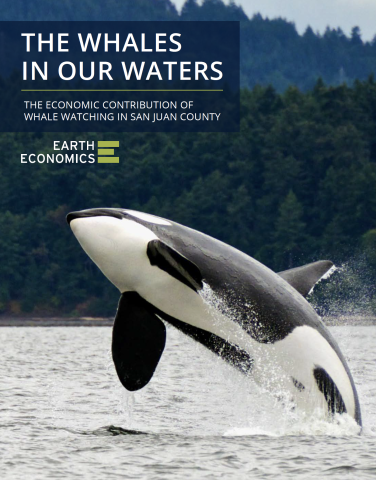
A 2019 report from the non-profit group Earth Economics look at revenues and other economic activity resulting from whale watching in San Juan County, Washington.

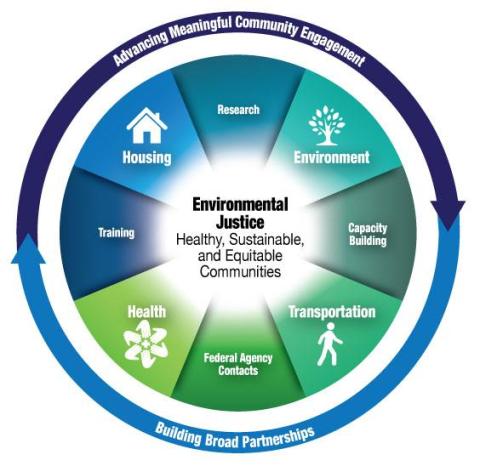
Environmental justice is the fair treatment and meaningful involvement of all people regardless of race, color, national origin, or income, with respect to the development, implementation, and enforcement of environmental laws, regulations, and policies.