Wastewater

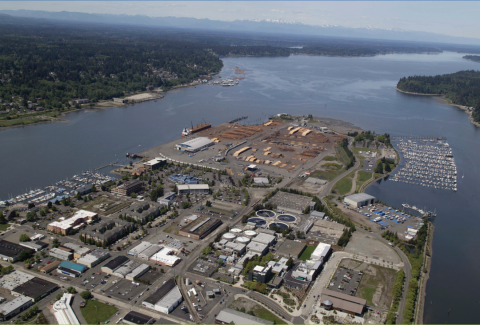
The Washington State Department of Ecology identifies 58 wastewater treatment facilities that discharge into Puget Sound. 

Source: Washington State Department of Ecology

Overview

The Washington State Department of Ecology is responding to new legal rulings and public concerns with changes in planning and potentially future enforcement. We continue our occasional series on water quality and wastewater management in Puget Sound. Funding for the series is provided in part by King County.
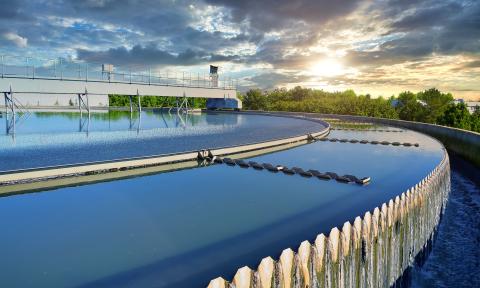
Circular wastewater clarifier with mechanical equipment under cloudy sky at sunset

Related Articles

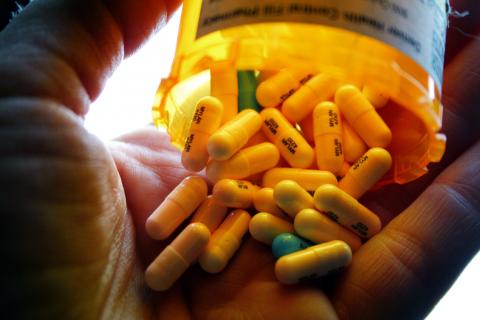
State agencies tracking pollution levels in Puget Sound have discovered traces of oxycodone in the tissues of native bay mussels (Mytilus trossulus) from Seattle and Bremerton area harbors. The findings were presented at the 2018 Salish Sea Ecosystem Conference in Seattle. 

As the region's population grows, scientists say we can expect to see increasing amounts of nitrogen and other elements flowing into Puget Sound. Known as “nutrients” these elements are naturally occurring and even necessary for life, but officials worry that nutrients from wastewater and other human sources are tipping the balance. That could mean big problems for fish and other marine life, gradually depleting the water of oxygen and altering the food web.

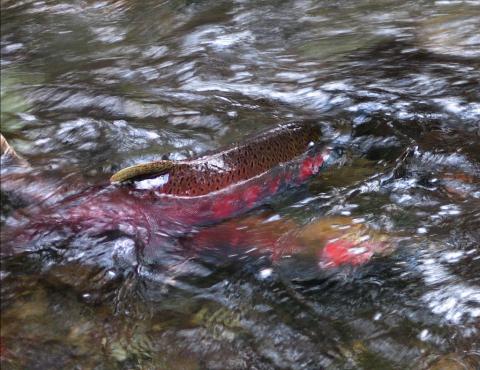
Drugs like Prozac and cocaine have been showing up in the region’s salmon. But these are just some of the potentially thousands of different man-made chemicals that escape into the Salish Sea every day, from pharmaceuticals to industrial compounds. Now the race is on to identify which ones pose the greatest dangers.

A 2016 paper in Environmental Pollution identifies dozens of pharmaceuticals and other compounds that are accumulating in Puget Sound fish such as salmon.

A 2025 report from the University of Washington Puget Sound Institute identifies and evaluates potential strategies for addressing environmental concerns over nutrients and dissolved oxygen in Puget Sound.

Contaminants of Emerging Concern (CECs) range from pharmaceuticals, personal care products and food additives to compounds used in industrial and commercial applications. These compounds are not typically removed from wastewater and are flushed into waterways throughout the world in significant amounts. This article describes how scientists are measuring the presence of these contaminants along with their potential impacts in Puget Sound, the Columbia River and elsewhere.