

All Articles
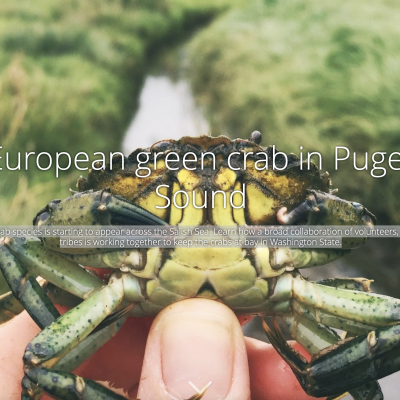
Story map: European green crab in Puget Sound
A broad collaboration of volunteers, agencies, and tribes are working together to keep invasive European green crabs at bay in Washington state. This story map was produced by the Encyclopedia of Puget Sound and the Puget Sound Institute in collaboration with the Washington Sea Grant Crab Team.
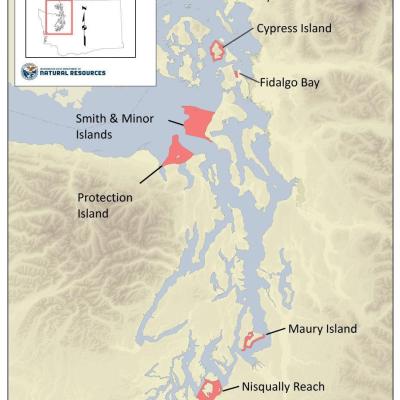
Washington state aquatic reserves
Eight aquatic reserves, managed by the Washington Department of Natural Resources, have been established to protect important ecosystems on state aquatic lands.
In most reserves, area residents work with state, local and tribal officials and nonprofit groups to develop and carry out management plans, including scientific research.
The aquatic reserves in the order they were established include:
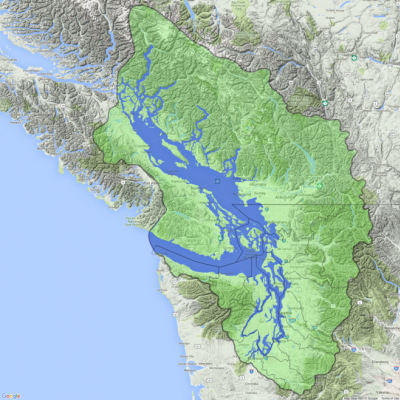
Survey illustrates a lack of familiarity with the Salish Sea
Washington and British Columbia residents are largely unfamiliar with the Salish Sea. A recent study conducted by the SeaDoc Society and Oregon State University reveals a need to improve geographic literacy and familiarity with the Salish Sea among those communities who share and live alongside this integrated transboundary ecosystem. This summary was provided by two of the collaborators on the
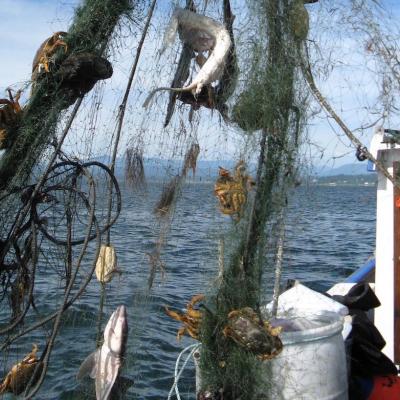
Ghost nets still fishing in the deep waters of Puget Sound
New technology is helping to remove deadly “ghost nets” that have been lost in the depths of Puget Sound. It is part of an effort that saves millions of animals every year, but managers say better reporting of these lost nets by fishermen is still needed.

The herring defenders
Each winter and spring, researchers survey the sometimes spectacular spawning events of Puget Sound's Pacific herring. They have found wide swings in the fish's population and an overall decline in herring numbers since the 1970s, but little is known about the cause or what this might mean for the health of the food web. We spent a day with a biologist spotting herring eggs and considering the
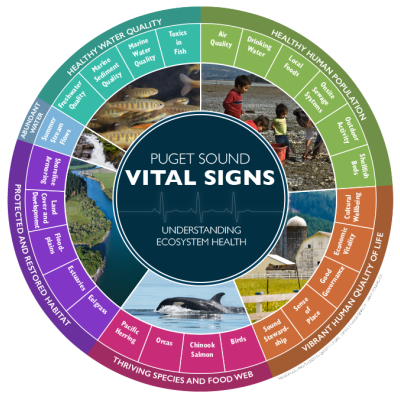
Toxics in Fish Implementation Strategy
The Toxics in Fish Implementation Strategy is a recovery plan that will guide funding and activities to reduce the impacts of toxics contaminants on marine fish and the humans that consume them. A final version of the plan was published in May 2021.
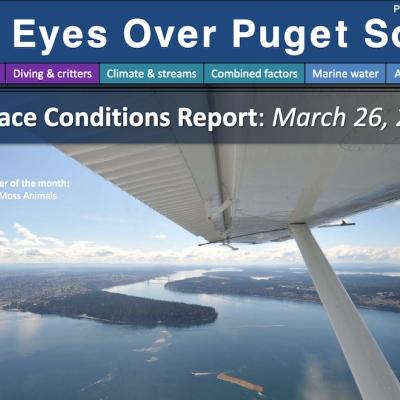
Eyes Over Puget Sound: Surface Conditions Report - March 26
Following a generally warmer and drier winter and then a cold spell in February, Puget Sound waters are cold for anchovies. The productive season is in full swing with algal blooms spotted in South Sound, Kitsap Peninsula, and Quartermaster Harbor. Jellyfish are abundant in some inlets, and Noctiluca stains the water orange in Hood Canal. We collect monthly data to keep you informed about the
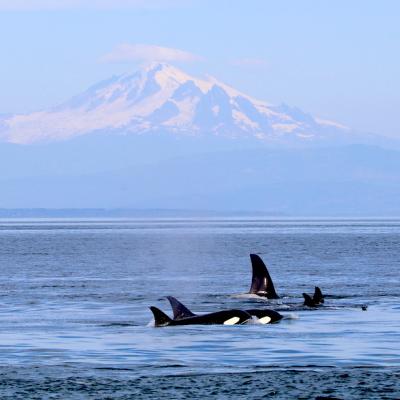
Social networks a key to orca survival
Understanding the social networks and family bonds of Puget Sound's southern resident orcas may be critical to keeping the endangered whales from extinction. A healthy population is about more than numbers, scientists say. It's about connections.
2018 Salish Sea toxics monitoring synthesis: A selection of research
A 2019 report from the Puget Sound Ecosystem Monitoring Program presents an overview of selected recent monitoring and research activities focused on toxic contaminants in the Salish Sea.
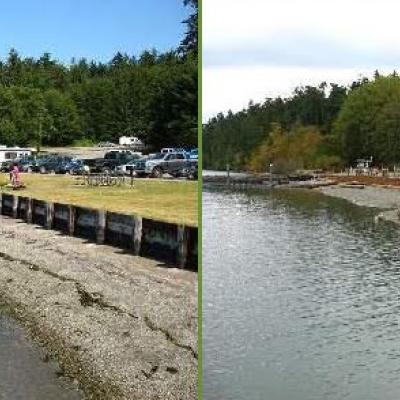
Tracking the effectiveness of armor removal in Puget Sound
The removal of shoreline armoring has become a priority for the state's Puget Sound recovery efforts. The Puget Sound Ecosystem Monitoring Program (PSEMP) is providing details on the effectiveness of armor-removal projects at 49 study sites.