

All Articles
Puget Sound Tribal Capacity Program grant #PA-00J27701 final report
The U.S. Environmental Protection Agency awarded a Five-year Puget Sound Tribal Capacity Program grant (Grant #PA-00J27701) to the Skokomish Indian Tribe. The tribe received approximately $1 million over a five-year project period (10/1/2010-9/30/2015). The purpose of the Puget Sound Tribal Capacity Program is to assist Puget Sound tribes in participating in the development and implementation of
Puget Sound National Estuary Program: Tribal Implementation Award PA-00J32201: FY10-13
A report from the Northwest Indian Fisheries Commission describes the results of a series of 97 tribal projects related to Puget Sound recovery funded by the Environmental Protection Agency.
Sound Health, Sound Future 2006
In December 2005, Washington Governor Christine Gregoire outlined an ambitious vision for Puget Sound. She appointed 21 leaders, including representatives from building and timber industries, shellfish growers, agriculture and environmental interests, port authorities, and local, state, federal, and tribal governments to the Puget Sound Partnership. The Partnership was given a 10-month assignment
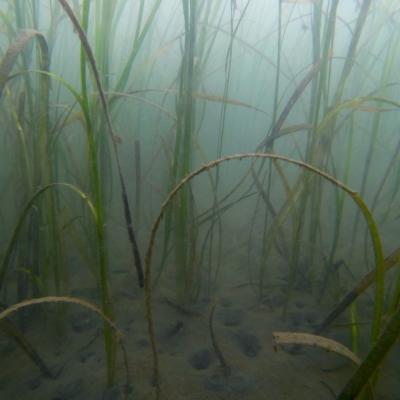
Ocean acidification may be twice as extreme in Puget Sound’s seagrass habitats, threatening Dungeness crabs
Ocean acidification could be up to twice as severe in fragile seagrass habitats as it is in the open ocean, according to a study published last April in the Proceedings of the National Academy of Sciences. The conditions may threaten Dungeness crabs by 2050 and will be especially pronounced in the winter, the study says.
Stormwater mimics oil spill's effect on Pacific herring
Pacific herring exposed to stormwater in Puget Sound show some of the same effects as fish exposed to major oil spills. Symptoms include heart and developmental problems.
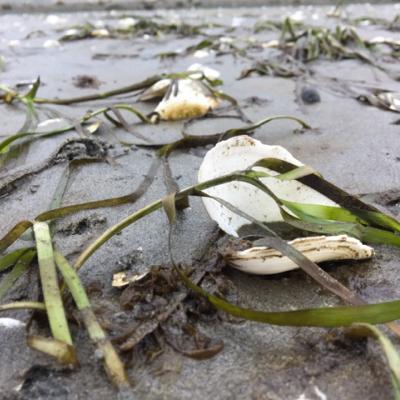
Diving deeper to understand eelgrass wasting disease
New studies show that eelgrass wasting disease is more common in warmer waters, leading to concerns over the future effects of climate change on eelgrass populations in Puget Sound. We continue our series on science findings from the 2018 Salish Sea Ecosystem Conference.
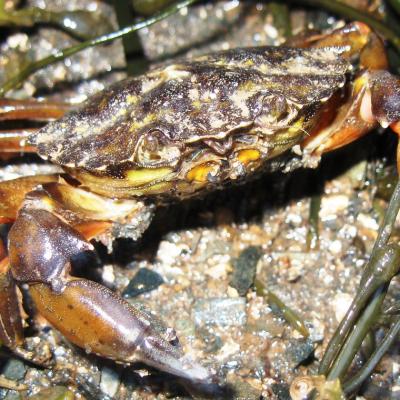
Where did the Puget Sound green crabs come from? We’re still not sure
Genetic testing shows that invasive European green crabs in Puget Sound likely did not come from the Sooke Basin in British Columbia as previously thought. New findings on the crab's origins were presented at the 2018 Salish Sea Ecosystem Conference in Seattle.
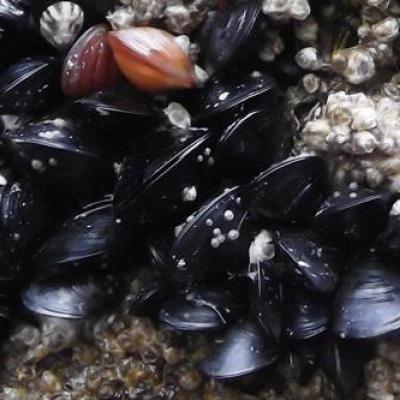
Bay mussels in Puget Sound show traces of oxycodone
State agencies tracking pollution levels in Puget Sound have discovered traces of oxycodone in the tissues of native bay mussels (Mytilus trossulus) from Seattle and Bremerton area harbors. The findings were presented at the 2018 Salish Sea Ecosystem Conference in Seattle.
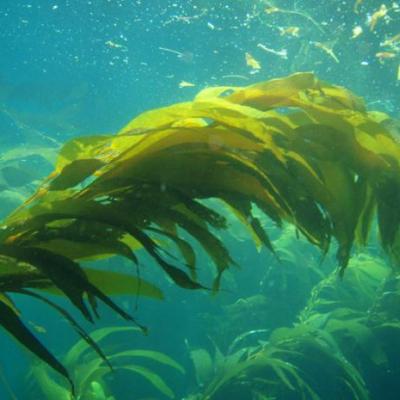
Kelp
Kelps are large seaweeds in the order Laminariales that form dense canopies in temperate rocky intertidal and subtidal habitats less than 30 m in depth. The kelp flora of the Pacific Northwest is one of the most diverse in the world.
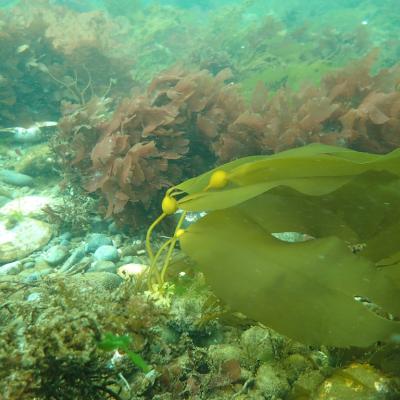
Kelp continues steady decline in Puget Sound
Scientists are trying to learn how to restore Puget Sound’s diminishing kelp forests in an effort to stave off habitat loss for rockfish and other threatened species.