

All Articles
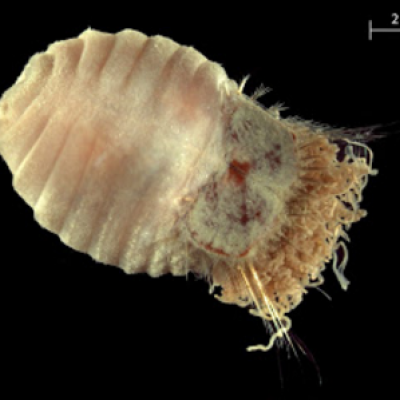
The dumbbell worm
The genus Sternaspis is comprised of sedentary invertebrates with short and thick anterior setae. The dumbbell worm (Sternaspis affinis) can be found on the West Coast of North America, from Alaska to the Gulf of California.

Sea slugs: The British Columbian Doto
The Doto is a species of sea slug, also known as a nudibranch. It is a marine gastropod in the family Dotidae. This species was first discovered in British Columbia and has been reported as far south as Santa Barbara, California.
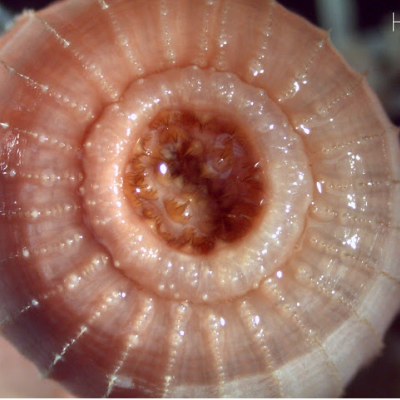
The cactus worm
Priapula are a small phylum of small, worm-like animals found in Puget Sound. They occur in most seas, both tropical and polar, at a variety of depths, from shallow coastal waters to as far down as 7,200 meters.
Eyes Over Puget Sound: Surface Conditions Report – March 16, 2016
In response to warm and wet conditions, rivers have been running high. Salinity in Puget Sound is notably lower. Below a cooler surface, water temperatures remain high, especially in Hood Canal. We still see numerous jellyfish patches in Puget Sound inlets. Phytoplankton blooms are going strong in Hood Canal and Henderson Inlet, and picking up elsewhere. Many places showed long stretches of
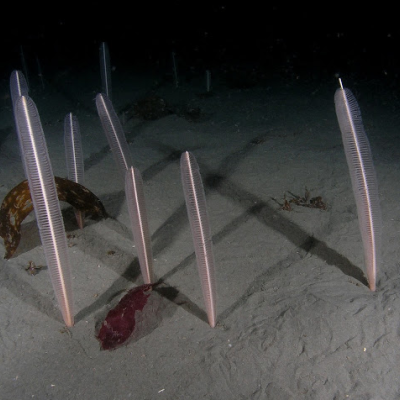
The slender sea pen
Sea pens are marine cnidarians that belong to the order Pennatulacea. They are colonial organisms, composed of specialized polyps.
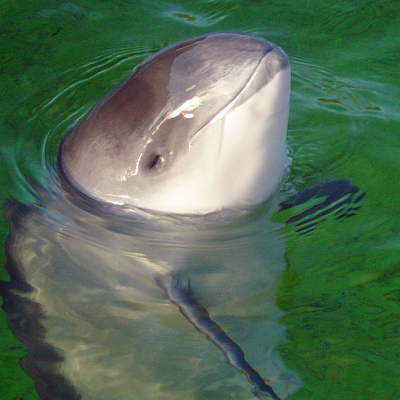
Disappearance and return of harbor porpoise to Puget Sound
A 2016 technical report from the Washington Department of Fish and Wildlife and the Cascadia Research Collective details the decline of the harbor porpoise in Puget Sound in the 1970s and reports that species numbers have increased over the past twenty years likely due to outside immigration.
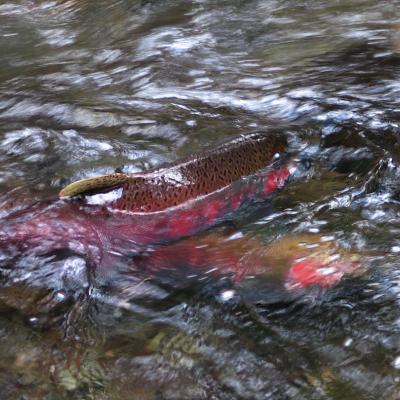
Contaminants of emerging concern in a large temperate estuary
A 2016 paper in Environmental Pollution identifies dozens of pharmaceuticals and other compounds that are accumulating in Puget Sound fish such as salmon.
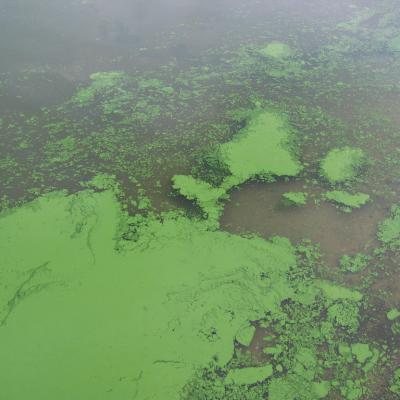
Harmful algal blooms in Puget Sound
An algal bloom is a rapid increase or accumulation in the population of algae in a water system. While most are innocuous, there are a small number of algae species that produce harmful toxins to humans and animals.
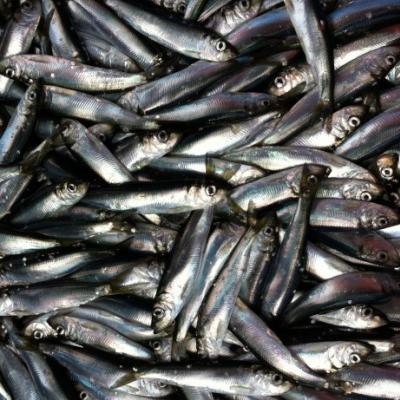
Population diversity in Pacific herring of the Puget Sound
A 2016 paper in the journal Oecologia describes how individual herring populations in Puget Sound exhibit a portfolio effect, collectively influencing and stabilizing the region’s population as a whole.
Food web dynamics: competition and invasive species
Competition occurs when individuals of different species struggle to obtain the same resource in an ecosystem (such as food or living space). Adaptations, such as physical mutations and behavior modifications, can help an organism outcompete its competitors.