Disease

The risk of a deadly disease is ever-present among wild populations, domesticated animals and even humans. It is a powerful ecological force, scientists say, often underestimated and under-researched.

Overview

From orcas to starfish to humans, disease affects every living creature in the ecosystem. Scientists are increasingly alarmed by its potential to devastate already compromised populations of species in Puget Sound.  

Mist from the breath of killer whales is collected at the end of a long pole then tested for dozens of different types of bacteria. Photo: Pete Schroeder

Related Articles

Pacific herring have long been considered an essential part of the Puget Sound food web. Now, studies are beginning to reveal how diseases in herring could be reverberating through the ecosystem, affecting creatures large and small. We continue our coverage of the ecological impacts of disease in Puget Sound with this look at the region's most well-known forage fish.

Chinook, coho and steelhead populations in Puget Sound have declined dramatically over the past 30 years. In some cases, counts of fish returning to the rivers are just a tenth what they were in the 1980s. While many possible causes of this decline are under consideration, some researchers are focusing on the combined effects of predators and disease. This article continues our coverage of the ecological impacts of disease in Puget Sound.

From orcas to starfish to humans, disease affects every living creature in the ecosystem. Scientists are increasingly alarmed by its potential to devastate already compromised populations of species in Puget Sound.  

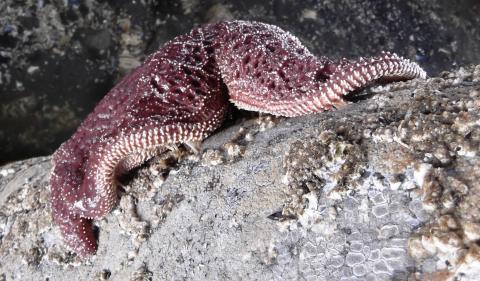
A virus is the likely cause of sea-star die-offs on the Northeast Pacific Coast and in Puget Sound, according to a November 2014 paper published in the Proceedings of the National Academy of Sciences.

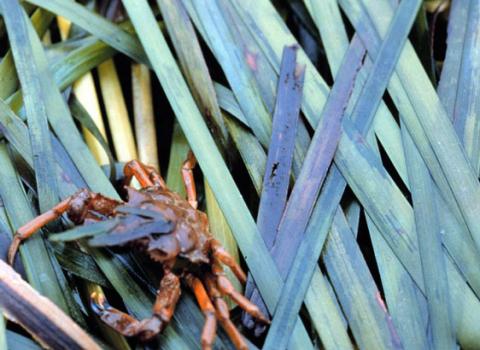
A paper in the February 2014 journal Diseases of Aquatic Organisms examines the effect of leaf age on wasting disease in eelgrass across sites in the San Juan Archipelago. Co-author: Encyclopedia of Puget Sound topic editor Joe Gaydos. 

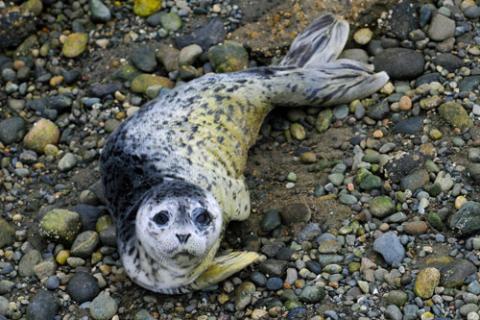
This paper discusses Brucella pinnipedalis infections in harbor seals (Phoca vitulina) in Washington state and transmission to humans and other wildlife. The disease poses a threat to endangered populations and may be exacerbated by organic pollutants.