Invasive species

It is estimated that at least nine non-native species of marine plants and 83 species of marine animals have been introduced into Puget Sound. Some of these were intentionally introduced, such as the Pacific oyster and Manila clam, to substitute for the loss of native shellfish species. Other animals have arrived through ship ballast water and other accidental introductions.

Sources:

Sound Science 2007

Addition resources:

Encyclopedia of Puget Sound list of invasive speciesWashington Invasive Species CouncilUSGS non-indigenous aquatic speciesWA Noxious Weeds Control BoardWDFW prohibited aquatic animals species list

Overview

Non-native species are those that do not naturally occur in an ecosystem. A non-native species is considered invasive when it is capable of aggressively establishing itself and causing environmental damage to an ecosystem. Plants, animals, and pathogens all can be invasive. 

The invasive tunicate Styela clava. Photo: WDFW

Related Articles

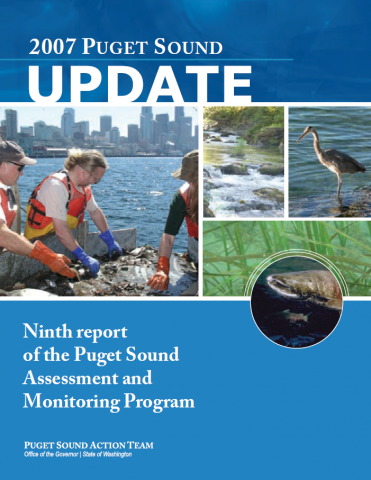
The Puget Sound Update is a technical report that integrates results of PSAMP and other scientific activities in Puget Sound focused on marine life and nearshore habitat, marine and freshwater quality, and toxic contamination.

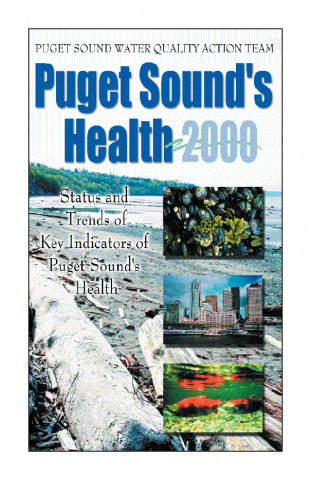
This is the Puget Sound Water Quality Action Team’s second report on key indicators of Puget Sound’s health. This report has been prepared in response to the Washington State Legislature’s request to evaluate efforts to protect Puget Sound. This second report includes updated information on the 12 indicators originally presented in 1998 as well as information on five new indicators.

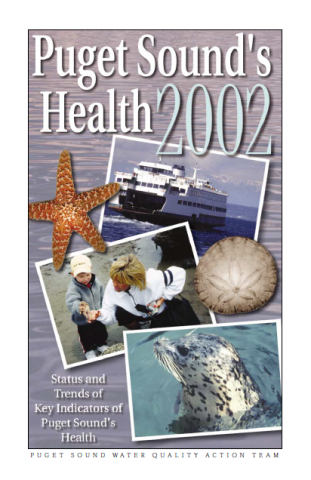
This is the Puget Sound Water Quality Action Team's third report on key indicators of Puget Sound's Health. We prepared the report in response to the Washington State Legislature's request to evaluate efforts to protect Puget Sound. The report includes updated information on the 17 indicators presented in 2000 as well as information on two new indicators.

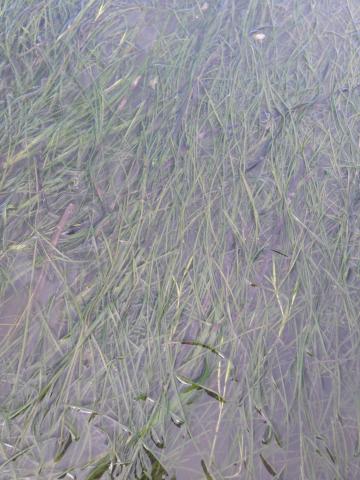
A 2014 literature review in the journal Ocean & Coastal Management suggests negative effects of nonnative eelgrass on the native species. 

Non-native species are those that do not naturally occur in an ecosystem. A non-native species is considered invasive when it is capable of aggressively establishing itself and causing environmental damage to an ecosystem. Plants, animals, and pathogens all can be invasive.