Species of concern

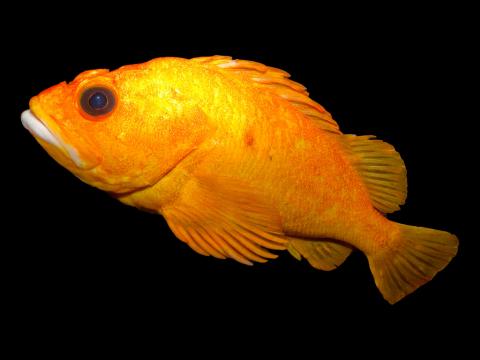
Species of concern are native species, sub-species or ecologically significant units that warrant special attention to ensure their conservation. The number of species of concern within the Salish Sea is used by the US Environmental Protection Agency and Environment Canada as a transboundary ecosystem indicator (called "Marine Species at Risk"). 

Source

Zier, Jacqlynn and Gaydos, Joseph K. (2016). The growing number of species of concern in the Salish Sea suggests ecosystem decay is outpacing recovery. Proceedings of the 2016 Salish Sea Ecosystem Conference, April 13-15, 2016
Vancouver, BC. 17 pgs.

Overview

The number of species of concern in the Salish Sea is growing at an average annual rate of 2.6%, according to a report published in the proceedings of the 2016 Salish Sea Ecosystem Conference in Vancouver, B.C.

The Tufted Puffin is among 125 species of concern found in the Salish Sea. Photo: Peter Hodum.

Related Articles

A 2015 paper presented to the International Whaling Commission compares the impacts of kayaks and powerboats on killer whale populations.

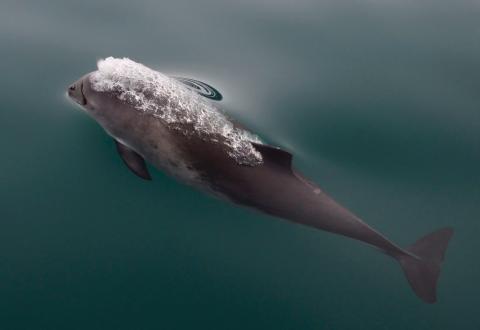
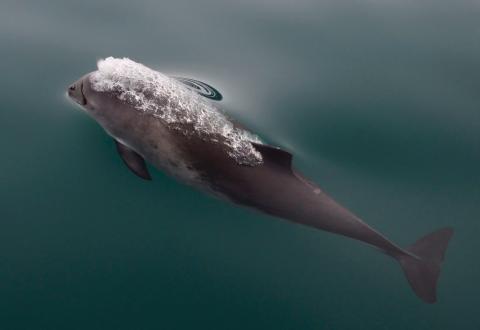
A 2014 paper in Endangered Species Research suggests that harbour porpoises inhabiting coastal waters of southern British Columbia constitute a single genetic population, which should be reflected in management decisions.

A 2014 report by the Kitsap Public Heath District describes the goals and achievements of the Shellfish Restoration and Protection Project including: increasing harvestable shellfish growing areas, establishing a routine shoreline monitoring program, improving water quality, and increasing education of water quality and shellfish protection.

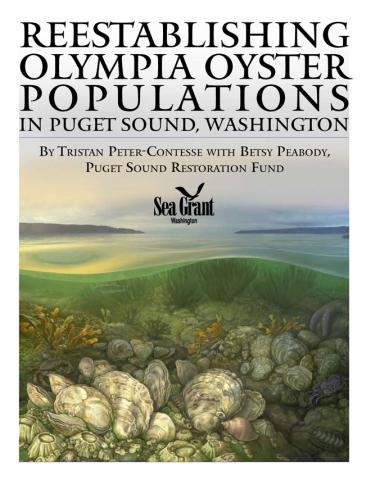
A 2005 report from the Washington Sea Grant Program describing the history and current state of native Olympia oysters including their ecology, history with human interactions, prefered habitat, and reestablishment efforts in the Puget Sound region.

The region's famed mollusks provide more than just money and jobs. They offer what are called ecosystem services—a wide variety of benefits that humans derive from an ecosystem.

This 2006 technical report for the Puget Sound Nearshore Partnership describes how shellfish have high ecological, economical, cultural, recreational value, however human activity is threatening their existence by altering their native habitat with changes in land use, shoreline modifications, stormwater, sewage and industrial discharge.