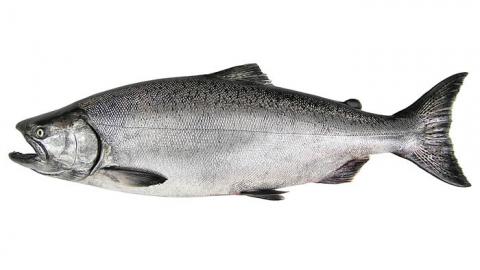
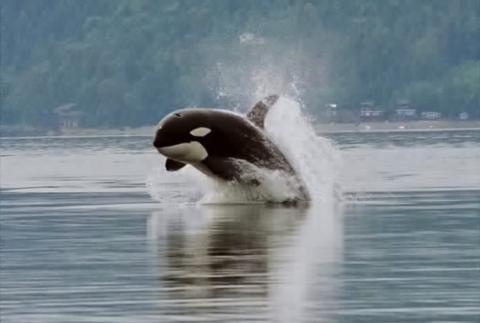
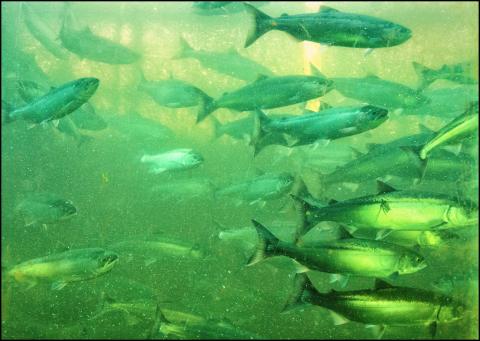
Many of Puget Sound's Chinook salmon spend their entire lives in local waters and don't migrate to the open ocean. These fish tend to collect more contaminants in their bodies because of the sound's relatively high levels of pollution.
Researchers are proposing a shift in thinking about how some of the region’s most damaging pollutants enter Puget Sound species like herring, salmon and orcas.
For close to 100 years, Seattle's Ballard Locks has been one of the region's busiest waterways, drawing major boat traffic along with millions of tourists. But as it prepares to celebrate its centennial, the aged structure is also drawing the concern of engineers. They worry that an earthquake could cause the locks to fail, draining massive amounts of water from Lake Washington and Lake Union. In some scenarios, the two lakes could drop by as much as 20 feet, stranding boats, disabling bridges and causing big problems for salmon restoration.
Chinook, coho and sockeye salmon, along with steelhead trout, live in the Lake Washington watershed and navigate a treacherous route through the Ballard Locks on their way to Puget Sound.
Chinook, coho and steelhead populations in Puget Sound have declined dramatically over the past 30 years. In some cases, counts of fish returning to the rivers are just a tenth what they were in the 1980s. While many possible causes of this decline are under consideration, some researchers are focusing on the combined effects of predators and disease. This article continues our coverage of the ecological impacts of disease in Puget Sound.
The decaying seawall along Seattle’s waterfront is providing scientists with an opportunity to improve long-lost habitat for migrating salmon. It could also show the way for habitat enhancements to crumbling infrastructure worldwide. One University of Washington researcher describes the project.
New research presented at the 2014 Salish Sea Ecosystem Conference shows that some of the greatest dangers to Puget Sound marine life come from our common, everyday activities. These pervasive sources of pollution are so woven into our lives that they are almost invisible to us, but it’s becoming impossible to ignore their effects.
The growth and survival of young salmon in streams, river deltas and floodplains are seen as crucial pieces of the salmon recovery puzzle. In part two of this two-part series, researchers at the Salish Sea Ecosystem Conference in Seattle say the complexities of the salmon life cycle require new coordination among scientists.
Scientists say Puget Sound’s salmon are dying young and point to low growth rates in the marine environment as a possible cause. In part one of this two-part series, scientists consider threats facing young salmon in the open waters of Puget Sound.