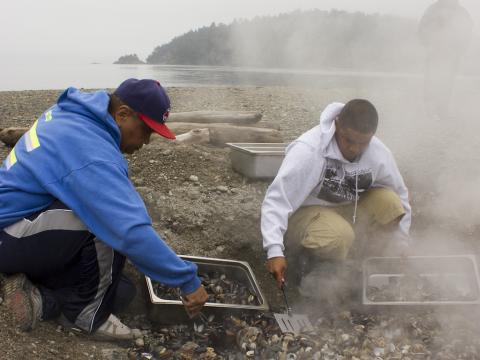
Invasive species are considered a top threat to the balance of ecosystems worldwide. New discoveries of non-native green crabs in Puget Sound have highlighted that concern here at home, but invasive species can impact more than just the food web. Some introduced species can produce toxins that accumulate in shellfish or by directly infecting the human body.
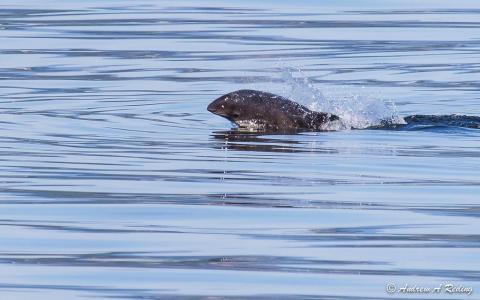
After an almost complete collapse in the 1970s, harbor porpoise populations in Puget Sound have rebounded. Scientists are celebrating the recovery of the species sometimes known as the "puffing pig."
Some of the most important fish in the Salish Sea food web are also the most mysterious. Researchers have only begun to understand how many there are, where they go, and how we can preserve their populations for the future. A University of Washington researcher describes how scientists are looking into the problem.
Gaps in regulations could allow invasive species to hitch a ride on ships and boats. We report on some of the potential impacts, and how state and federal agencies are trying to solve the problem.
Concerns over the potential arrival of the European green crab have inspired a small army of volunteers. A search is underway for early signs of an invasion.


![Bay Mussels (Mytilus trossulus) on Edmonds Ferry Dock. Photo [cropped]: brewbooks (CC BY-SA 2.0) https://www.flickr.com/photos/brewbooks/8840874065](/sites/default/files/styles/large/public/topical_article/images/8840874065_da3b29ce56_crop_1200.jpg?itok=Skf5oEDw "Bay Mussels (Mytilus trossulus) on Edmonds Ferry Dock. Photo [cropped]: brewbooks (CC BY-SA 2.0) https://www.flickr.com/photos/brewbooks/8840874065")