Almost twenty years ago, volunteer biologists began an intensive survey for invasive species in the marine waters of Puget Sound. In a little over a week of hunting, they found 39 such species, including 11 never before seen in the region.
The Washington Invasive Species Council evaluated more than 700 invasive species in and around Washington, considering their threats to the state’s environment, economy, and human health. They included terrestrial plants and animals, aquatic plants and animals (both freshwater and saltwater), insects and diseases. In the end, the council listed 50 “priority species” for action, including five marine animals and two marine plants, along with one virus that infects fish.
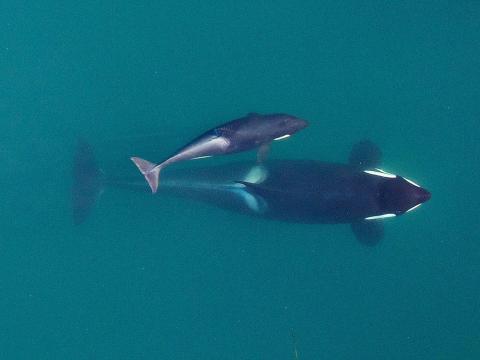
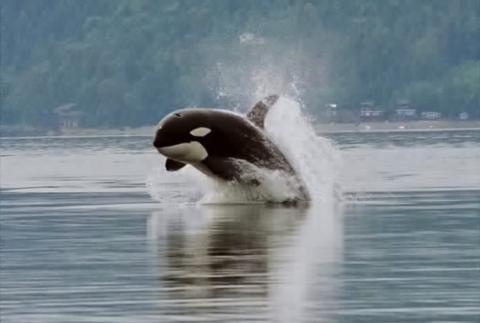
New techniques for studying orcas have been credited with breakthroughs in reproductive and developmental research. Drones and hormone-sniffing dogs are helping scientists connect declines in food supply with low birth rates and poor health. Update: The research described in this 2016 article has now been published in the 6/29/17 issue of the journal PLOS ONE.
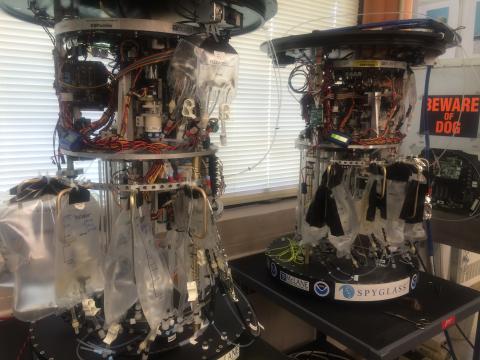
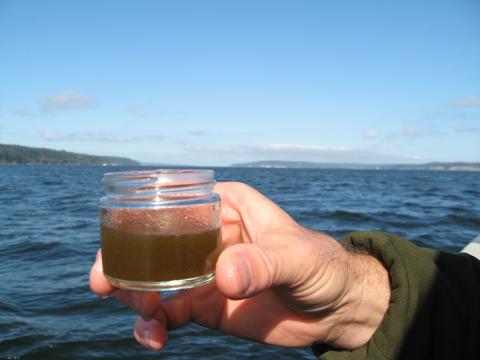
Environmental samplers may provide early detection of harmful algal blooms (HABs) in Puget Sound. This toxic algae is expected to increase as the climate changes, bringing with it new and potentially more severe outbreaks of shellfish poisonings.
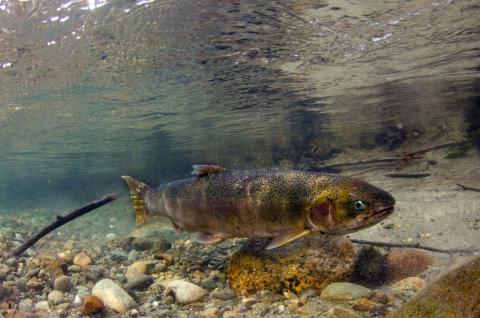
New, smaller acoustic tags will allow scientists to track steelhead migrations in Puget Sound in ways that were once impossible. Will they provide answers to the mysterious decline of these now-threatened fish?
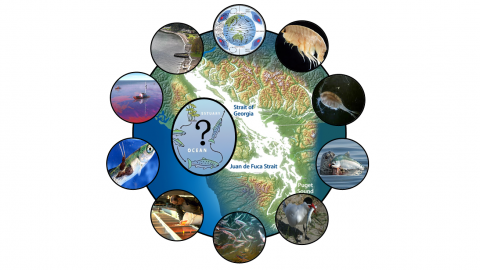
The Salish Sea Marine Survival Project has mobilized dozens of organizations in the U.S. and Canada to find an answer to one of the region's greatest mysteries. What is killing so many young salmon before they can return home to spawn? A series of talks at the 2016 Salish Sea Ecosystem Conference brought together some of the latest research.
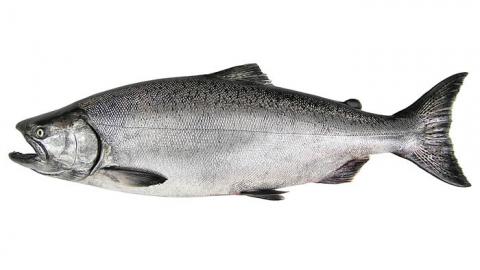
Many of Puget Sound's Chinook salmon spend their entire lives in local waters and don't migrate to the open ocean. These fish tend to collect more contaminants in their bodies because of the sound's relatively high levels of pollution.
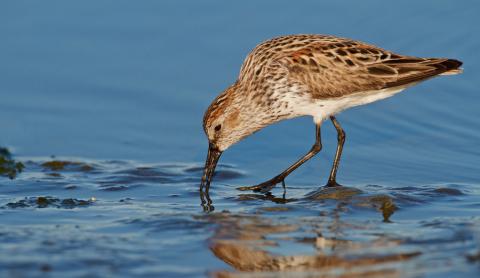
It turns out that a gooey substance known as biofilm is a big deal for Salish Sea shorebirds, providing critical food for some species. But could a proposed port expansion in Vancouver threaten this slimy resource?
Researchers are proposing a shift in thinking about how some of the region’s most damaging pollutants enter Puget Sound species like herring, salmon and orcas.