The number of species of concern in the Salish Sea is growing at an average annual rate of 2.6%, according to a report published in the proceedings of the 2016 Salish Sea Ecosystem Conference in Vancouver, B.C.
Scientists are realizing that underwater noise in the Salish Sea affects a broad range of species, even plankton. Read a Q & A with the organizers of the session 'From plankton to whales: underwater noise and its impacts on marine life.'
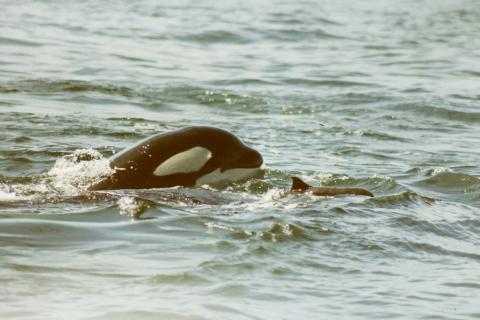
The mysterious practice of killing porpoises may have a useful function, but it has yet to be fully explained, according to orca researcher Deborah Giles.
About 4,600 miles of coastline wind from southern Puget Sound to northern British Columbia along what is known as the Salish Sea. It is a land of connections and contradictions. Snowmelt from three national parks feeds more than a thousand creeks and rivers that in turn flow to the rich floodplains and estuaries of places like the Skagit and Nisqually deltas. It is one of the most diverse and spectacular ecosystems in the world, a fact made even more incredible because it is also home to 8 million people.
Bulkhead removal is becoming an attractive option for many shoreline property owners as awareness spreads of their geological and ecological impacts, and as aging bulkheads come up for replacement. New state guidelines provide alternatives to hard armor.
For more than a hundred years, property owners have seen shoreline erosion as the enemy. But it turns out that in many cases erosion is actually a good thing — crucial, according to scientists — because it provides the sand and gravel needed for healthy beaches.
A significant number of Puget Sound property owners have been altering their shorelines without required permits. A new report suggests that state and local regulators should increase enforcement and make penalties more costly for violators.
By removing bulkheads where they can, property owners are improving shoreline habitat, one piece at a time. Officials from county and nonprofit groups have been offering assistance and finding new ways to connect with property owners.