Fishes

Find content specifically related to fishes of the Puget Sound and Salish Sea ecosystems. For checklists and descriptive accounts of individual species, visit our species library. The Encyclopedia of Puget Sound will also be creating additional pages and sections related to salmon recovery in the region. For a general overview of salmonids, visit the Encyclopedia's Puget Sound Science Review.

Additional resources:

Washington Department of Fish and Wildlife salmon stocks and escapement data
SalmonScape

Related Articles

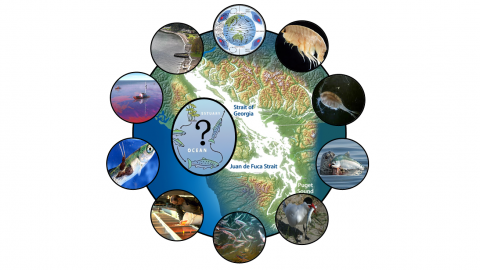
The Salish Sea Marine Survival Project has mobilized dozens of organizations in the U.S. and Canada to find an answer to one of the region's greatest mysteries. What is killing so many young salmon before they can return home to spawn? A series of talks at the 2016 Salish Sea Ecosystem Conference brought together some of the latest research. 

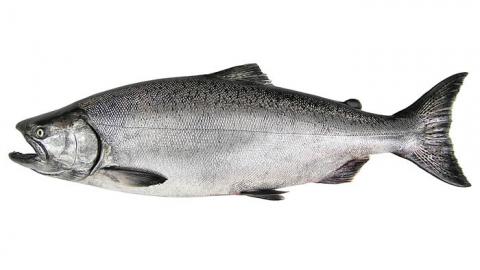
Many of Puget Sound's Chinook salmon spend their entire lives in local waters and don't migrate to the open ocean. These fish tend to collect more contaminants in their bodies because of the sound's relatively high levels of pollution. 

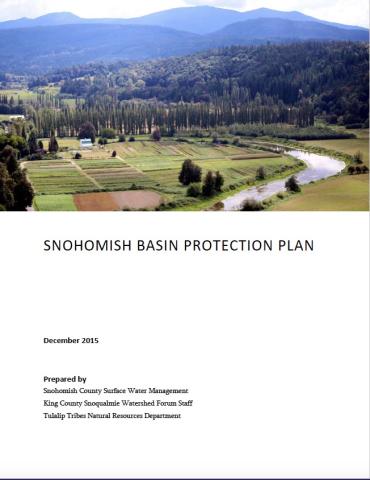
A 2015 report from Snohomish County, King County and the Tulalip Tribes outlines protection strategies for salmon and salmon habitat within the Snohomish Basin. 

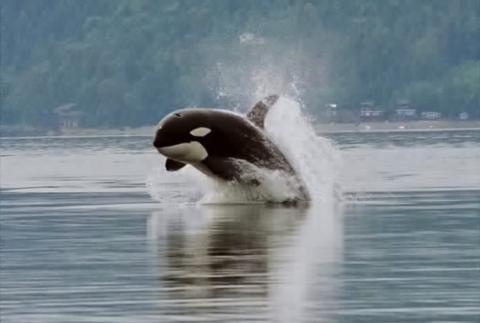
Researchers are proposing a shift in thinking about how some of the region’s most damaging pollutants enter Puget Sound species like herring, salmon and orcas.

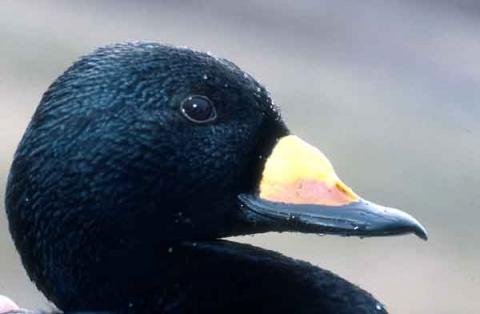
The number of species of concern in the Salish Sea is growing at an average annual rate of 2.6%, according to a report published in the proceedings of the 2016 Salish Sea Ecosystem Conference in Vancouver, B.C.

The number of species of concern in the Salish Sea is growing at an average annual rate of 2.6%, according to a report published in the proceedings of the 2016 Salish Sea Ecosystem Conference in Vancouver, B.C.