Fishes

Find content specifically related to fishes of the Puget Sound and Salish Sea ecosystems. For checklists and descriptive accounts of individual species, visit our species library. The Encyclopedia of Puget Sound will also be creating additional pages and sections related to salmon recovery in the region. For a general overview of salmonids, visit the Encyclopedia's Puget Sound Science Review.

Additional resources:

Washington Department of Fish and Wildlife salmon stocks and escapement data

SalmonScape

Related Articles

Researchers are trying to determine which chemicals in stormwater are contributing to the deaths of large numbers of coho salmon in Puget Sound. It has prompted a larger question: What exactly is in stormwater, anyway?

Increased consumption of Chinook salmon by seals and sea lions in the Salish Sea “could be masking the success of coastwide salmon recovery efforts,” according to a new study published in the journal Scientific Reports. Endangered resident orcas are said to be declining in part due to a lack of available Chinook, the orcas' preferred prey.

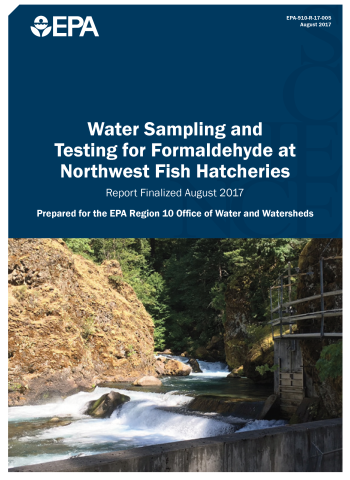
Formaldehyde is often used to control parasites on hatchery salmon and trout. The U.S. Environmental Protection Agency and the Washington State Department of Ecology conducted a joint study of formaldehyde concentrations in effluent from hatcheries in the Pacific Northwest. 

A new study shows a surprising decline in some toxic chemicals in Puget Sound fish, while levels of PCBs increased in some cases. Scientists say the study shows that banning toxic chemicals can work, but old contaminants remain a challenge as they continue to wash into Puget Sound.

Toxic chemicals have been showing up in Puget Sound fish for more than a century, but consistent testing over the past 30 years has helped to reveal some unusual patterns of pollution.

In recent decades, hundreds of millions of dollars have been spent to restore habitat for Puget Sound salmon. In this article, we look at how scientists are gauging their progress. Are environmental conditions improving or getting worse? The answer may depend on where you look and who you ask.