Birds

Find content specifically related to birds of the Puget Sound and Salish Sea ecosystems. For checklists and descriptive accounts of individual species, visit our species library.

Species Lists

Additional resources

Birdweb

Overview

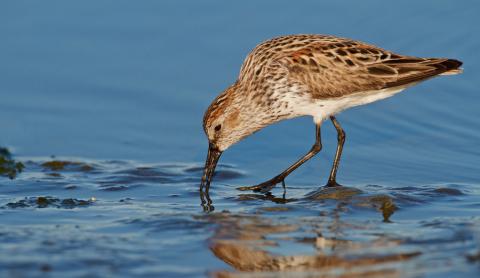
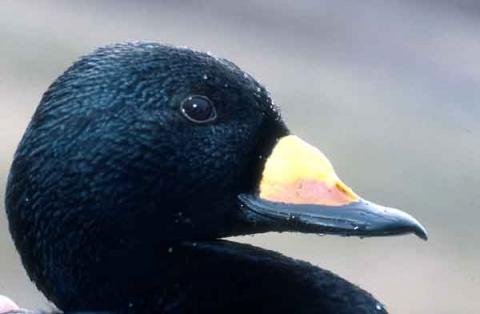
More than 70 bird species regularly utilize Puget Sound during some or all stages of their life histories, but only a portion of these are actively being investigated.

Brandt's cormorant (Phalacrocorax penicillatus). Photo by Finley and Bohlman, courtesy U.S. Fish and Wildlife Service

Related Articles

It turns out that a gooey substance known as biofilm is a big deal for Salish Sea shorebirds, providing critical food for some species. But could a proposed port expansion in Vancouver threaten this slimy resource?

The number of species of concern in the Salish Sea is growing at an average annual rate of 2.6%, according to a report published in the proceedings of the 2016 Salish Sea Ecosystem Conference in Vancouver, B.C.

The number of species of concern in the Salish Sea is growing at an average annual rate of 2.6%, according to a report published in the proceedings of the 2016 Salish Sea Ecosystem Conference in Vancouver, B.C.

Food webs are natural interconnections of food chains and depict what-eats-what in an ecological community. While Puget Sound represents a specific food web, the organisms that reside within that web often travel outside the region. In this way, one community's food web can be drastically affected by a change in a neighboring ecosystem.

A report from NOAA and the Puget Sound Ecosystem Monitoring Program provides an overview of 2014 marine water quality and conditions in Puget Sound from comprehensive monitoring and observing programs.

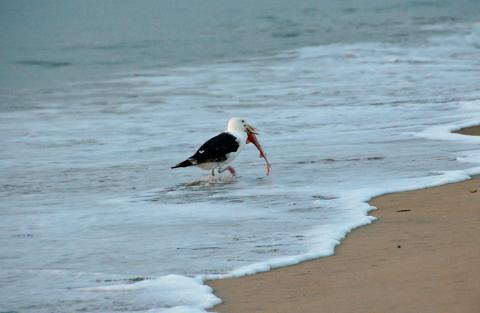
A 2015 article in the journal Environmental Science and Technology presents additional isotopic evidence that glaucus-winged gulls in the Salish Sea are shifting their diets from marine to terrestrial sources due to human impacts. Scientists hypothesize that declining forage fish may be the cause.