Birds

Find content specifically related to birds of the Puget Sound and Salish Sea ecosystems. For checklists and descriptive accounts of individual species, visit our species library.

Species Lists

Additional resources

Birdweb

Overview

More than 70 bird species regularly utilize Puget Sound during some or all stages of their life histories, but only a portion of these are actively being investigated.

Brandt's cormorant (Phalacrocorax penicillatus). Photo by Finley and Bohlman, courtesy U.S. Fish and Wildlife Service

Related Articles

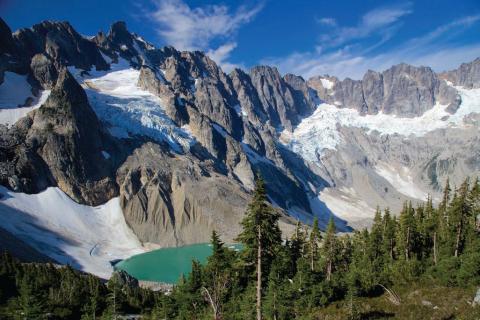
A 2014 report by the North Cascadia Adaptation Partnership identifies climate change issues relevant to resource management in the North Cascades, and recommends solutions that will facilitate the transition of the diverse ecosystems of this region into a warmer climate.

Birds that dive for fish while wintering in the Salish Sea are more likely to be in decline than nondiving birds with less specialized diets, according to a 2014 study led by the School of Veterinary Medicine at the University of California, Davis. The study, published in the journal Conservation Biology proposes that long-term changes in the availability of forage fish are pushing the declines.

New research presented at the 2014 Salish Sea Ecosystem Conference shows that some of the greatest dangers to Puget Sound marine life come from our common, everyday activities. These pervasive sources of pollution are so woven into our lives that they are almost invisible to us, but it’s becoming impossible to ignore their effects.

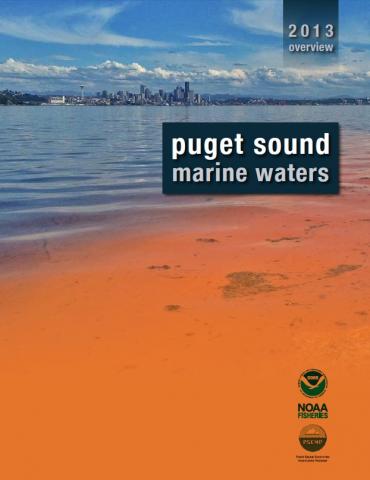
A report from the Puget Sound Ecosystem Monitoring Program provides an overview of 2013 marine water quality and conditions in Puget Sound from comprehensive monitoring and observing programs.

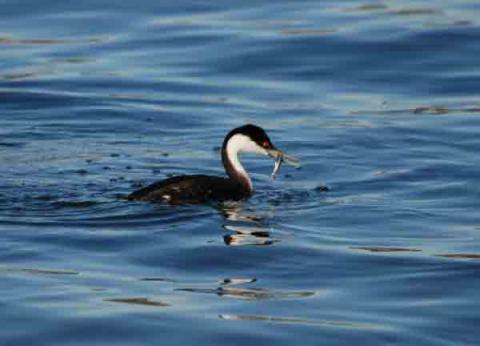
Why did all the grebes leave? Where did they go? And what does their disappearance say about the health of the Salish Sea? Seasonal declines among some regional bird species could hold important clues to the overall health of the ecosystem.

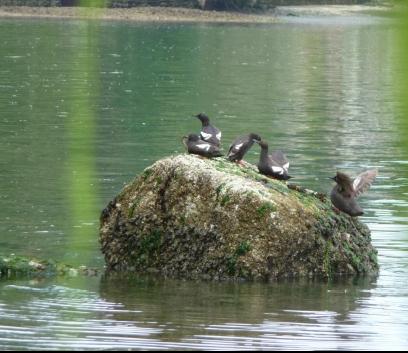
A 2014 report describes a research and monitoring study of Pigeon Guillemot conducted in and near the Nisqually Reach Aquatic Reserve.